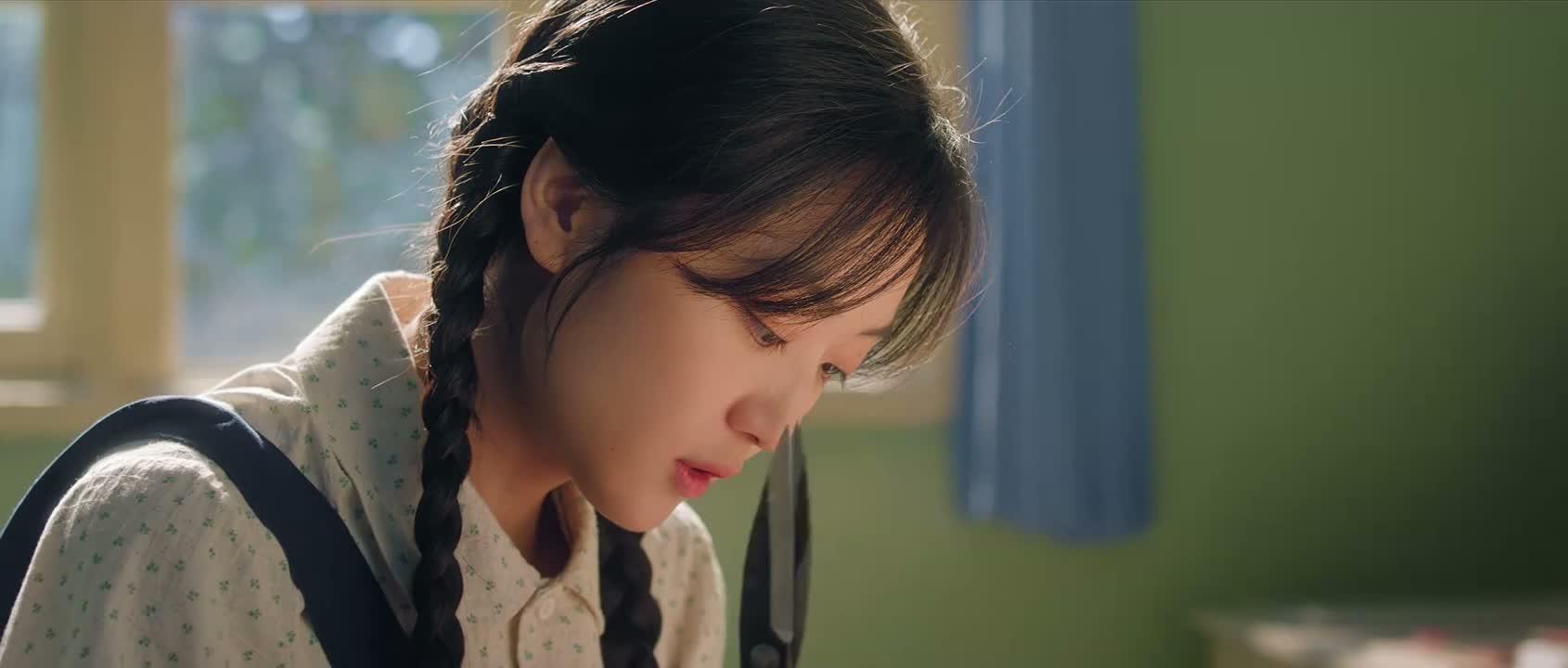
《Love Story in the 1970s》 S1·E1 (09:12)
HSK 2
bú yào bú yào dài huì jiù dào zhàn le wǒ xià qù gěi tā mǎi
不要不要 待会就到站了 我下去给他买
“It's okay. We're reaching our station soon. I'll buy something for him.”
《Love Story in the 1970s》
S1·E1
TIMECODE: 09:12
·
1080P MASTER AUDIO
THE DIALOGUE REEL
[-1] PREVIOUS TURN
dì di zhè ge gěi nǐ
弟弟 这个给你
“Kid, this is for you.”
bú yào bú yào dài huì jiù dào zhàn le wǒ xià qù gěi tā mǎi
CURRENT FOCUS
不要不要 待会 就 到站了 我 下去 给他买
“It's okay. We're reaching our station soon. I'll buy something for him.”
[+1] FOLLOW-UP TURN
shěn ná zhe ba
婶 拿着吧
“Ma'am, just take it.”
Subtitles synced to millisecond timecode
Browse Show Clips →
Scene:
Travel & Transit
Function:
POLITE REFUSAL
Tone:
POLITE
Emotion:
GRATITUDE
WHAT THEY REALLY MEAN (PRAGMATIC SUBTEXT)
“Please keep it for yourself; it feels inappropriate to take your things.”
💡 Cultural Insight: Keqi (Polite Refusal of Gifts)
In Chinese culture, it is customary to refuse a gift or treat at least once or twice before accepting to show modesty and avoid imposing on others.
INTENT TAGS:
#polite_refusal
#courtesy
#declining
#transit
🧩
2 CHUNKS · 1 PARTICLES
LEARNING CHUNKS & PARTICLES
不要不要
SPOKEN CHUNK
no need / please don't
A common reduplicated phrase used to politely decline gifts, food, or favors.
到站
SPOKEN CHUNK
arrive at the station
Frequently used when traveling by train, subway, or bus to indicate reaching a stop.
Modal Particle「了」 (le)
CHANGE OF STATE
Indicates an imminent change of state regarding the train's arrival.
🏮
3 EXPR · 1 GRAMMAR
VOCABULARY & EXPRESSIONS
COLLOQUIAL EXPRESSIONS:
GRAMMAR BLUEPRINTS:
CROSS-CINEMA CORPUS BOARD · PARALLEL SCENES
EXPLORE BY SEMANTIC SIMILARITY
Parallel Spoken Cinema Scenes (语义近邻切片)

《Love Story in the 1970s》 S1·E1 (09:12) · Authentic Cinema Dialogue Corpus