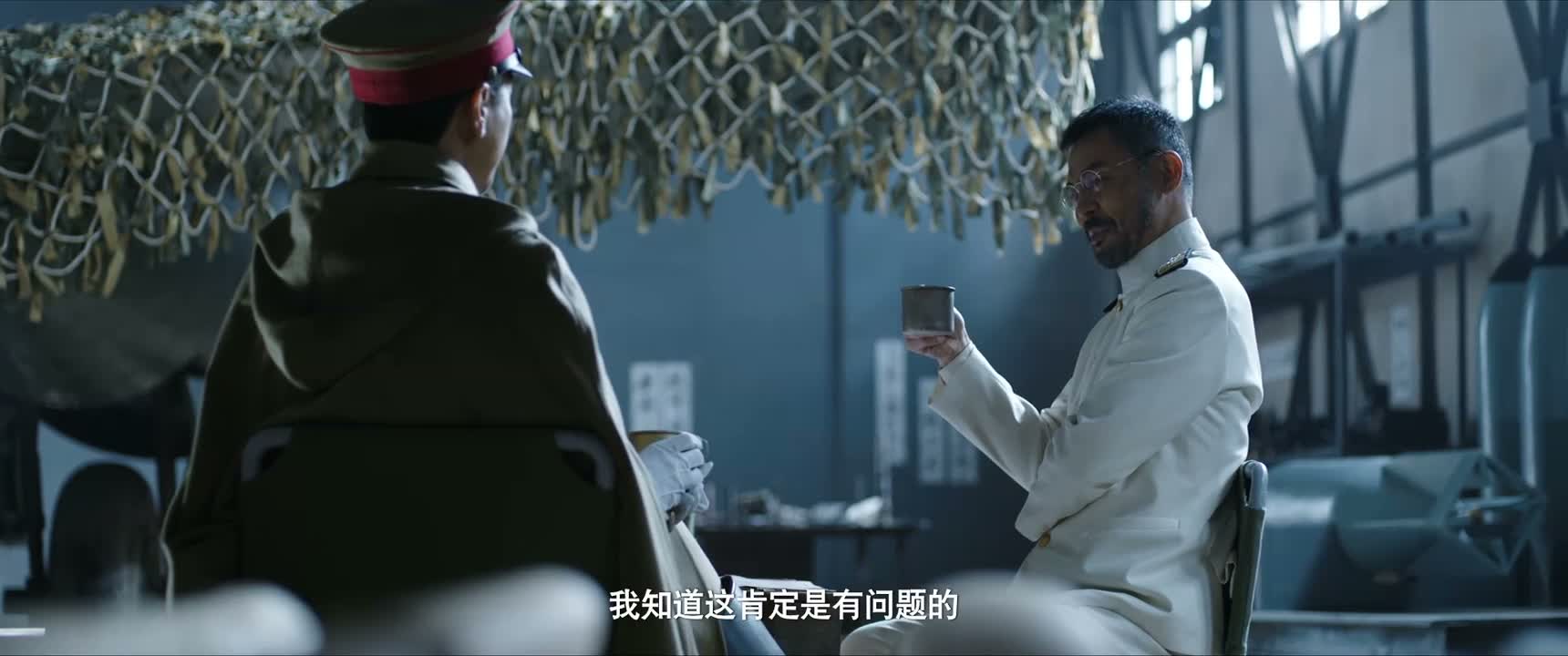
《Eight Hundred》 S1·E14 (13:05)
HSK 3
yí dìng shì yǒu wèn tí de
一定是有问题的
“that Tian Jinhai is suspicious.”
《Eight Hundred》
S1·E14
TIMECODE: 13:05
·
1080P MASTER AUDIO
THE DIALOGUE REEL
[-1] PREVIOUS TURN
zhè ge tián jīn hǎi
这个田金海
“I'm sure”
yí dìng shì yǒu wèn tí de
CURRENT FOCUS
一定是 有问题的
“that Tian Jinhai is suspicious.”
[+1] FOLLOW-UP TURN
zhǐ shì wǒ men xiàn zài
只是我们现在
“It's just that we don't have enough evidence yet,”
Subtitles synced to millisecond timecode
Browse Show Clips →
Scene:
Legal & Police
Function:
ASSERTING SUSPICION
Tone:
ASSERTIVE
Emotion:
DISTRUST
WHAT THEY REALLY MEAN (PRAGMATIC SUBTEXT)
Direct spoken expression in this communicative setting.
💡 Cultural Insight: Expressing High Conviction via '是...的'
Chinese speakers often frame assertive deductions inside '一定是有问题的' to mark the assertion as an incontrovertible conclusion.
INTENT TAGS:
#suspicion
#assertion
#investigation
#certainty
🧩
2 CHUNKS · 1 PARTICLES
LEARNING CHUNKS & PARTICLES
有问题
SPOKEN CHUNK
fishy; suspicious; problematic
When applied to a person in spoken Chinese, it often implies they are dishonest, corrupt, or hiding guilt.
一定是
SPOKEN CHUNK
must be; definitely is
Used to convey high certainty based on deductive reasoning.
Modal Particle「的」 (de)
CHANGE OF STATE
Functions here in the '是...的' construction to assert certainty and emphasize conviction.
🏮
2 EXPR · 2 GRAMMAR
VOCABULARY & EXPRESSIONS
COLLOQUIAL EXPRESSIONS:
CROSS-CINEMA CORPUS BOARD · PARALLEL SCENES
EXPLORE BY SEMANTIC SIMILARITY
Parallel Spoken Cinema Scenes (语义近邻切片)

《Eight Hundred》 S1·E14 (13:05) · Authentic Cinema Dialogue Corpus