这有啥难的 咱自己做呗
“That's easy. We can cook ourselves.”
THE DIALOGUE REEL
但泡面又好吃又方便 不吃的话我们晚上吃啥呀
“But instant noodles are tasty and convenient. What else can we eat at night?”
这有啥难的 咱 自己做 呗
“That's easy. We can cook ourselves.”
“It's not like you haven't tasted my cooking.”
Direct spoken expression in this communicative setting.
Using '咱' instead of '我们' conveys an informal, intimate tone that fosters group solidarity and warmth among close friends or family.
LEARNING CHUNKS & PARTICLES
what's so hard about this?
A casual rhetorical question used to dismiss difficulties and show confidence in handling a task.
make/cook it oneself
Commonly used in daily contexts to contrast home cooking with eating out or buying instant food.
Softens the suggestion and implies that the proposed course of action is obvious or straightforward.
VOCABULARY & EXPRESSIONS
Parallel Spoken Cinema Scenes (语义近邻切片)
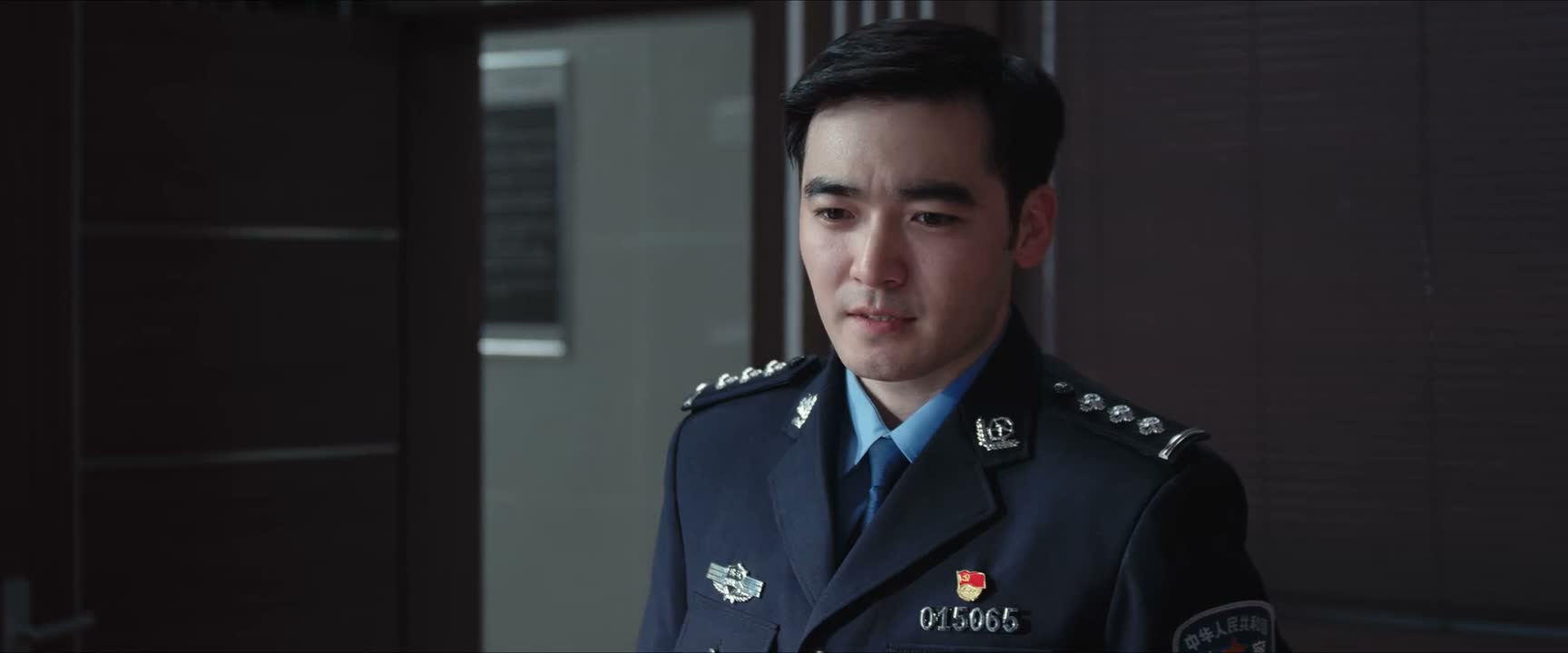
“What's so hard about that? It's not like we're searching for a needle in a haystack anymore.”

“shouldn't be difficult, right?”

“What's so hard about that? From now on, you'll be stationed at headquarters.”

“He's exhausted. It's nothing.”

“There is no such thing as causing trouble.”
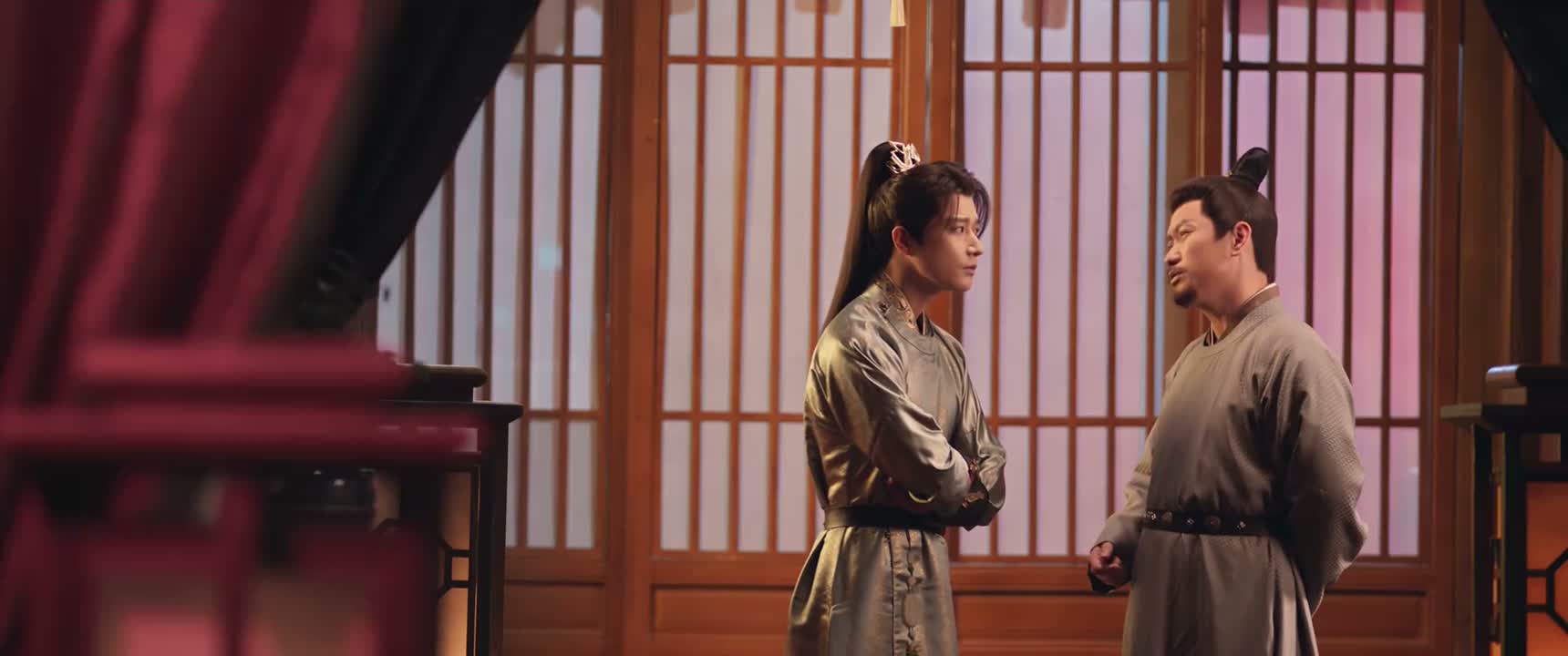
“I wouldn't be in such a tough spot.”