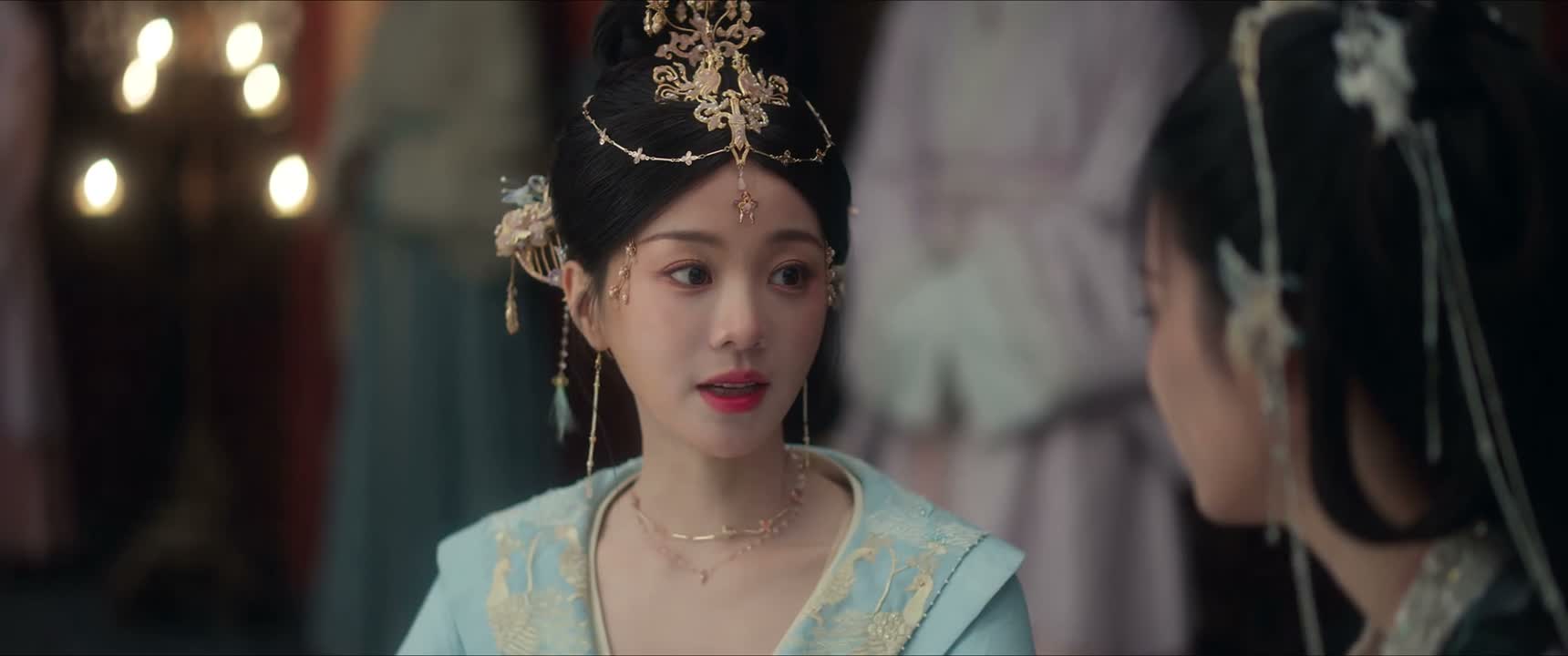
《How Dare You!?》 S1·E23 (10:56)
HSK 6
tā zhǐ huì zài nǐ chū gōng de shí hòu chǔn chǔn yù dòng
他只会在你出宫的时候蠢蠢欲动
“he'll only make his move when you leave the palace.”
《How Dare You!?》
S1·E23
TIMECODE: 10:56
·
1080P MASTER AUDIO
THE DIALOGUE REEL
[-1] PREVIOUS TURN
xū yáo de shū lǐ yě xiě zhe
胥尧的书里也写着
“Xu Yao's book also says”
tā zhǐ huì zài nǐ chū gōng de shí hòu chǔn chǔn yù dòng
CURRENT FOCUS
他只会 在 你出宫 的时候 蠢蠢欲动
“he'll only make his move when you leave the palace.”
[+1] FOLLOW-UP TURN
wǒ yì zhí wàng jì wèn nǐ le
我一直忘记问你了
“I've been meaning to ask you.”
Subtitles synced to millisecond timecode
Browse Show Clips →
Scene:
Historical & Court
Function:
WARNING
Tone:
GRAVE AND ALERT
Emotion:
VIGILANCE
WHAT THEY REALLY MEAN (PRAGMATIC SUBTEXT)
“Be on your guard the moment you step outside, because that is when he will strike.”
💡 Cultural Insight: Sanctuary of the Forbidden City
Palaces in imperial dramas are heavily guarded and politically sensitive zones where overt murder brings treason charges, making departure zones the prime ambush spots.
INTENT TAGS:
#warning
#prediction
#threat_identification
#cautioning
🧩
2 CHUNKS · 0 PARTICLES
LEARNING CHUNKS & PARTICLES
蠢蠢欲动
SPOKEN CHUNK
stirring to make trouble; itching to make a move
A derogatory idiom used specifically to describe villains or rivals preparing to act nefariously.
出宫
SPOKEN CHUNK
leave the palace
A standard historical term referring to stepping outside the imperial palace grounds.
🏮
1 EXPR · 1 GRAMMAR
VOCABULARY & EXPRESSIONS
COLLOQUIAL EXPRESSIONS:
GRAMMAR BLUEPRINTS:
CROSS-CINEMA CORPUS BOARD · PARALLEL SCENES
EXPLORE BY SEMANTIC SIMILARITY
Parallel Spoken Cinema Scenes (语义近邻切片)

《How Dare You!?》 S1·E23 (10:56) · Authentic Cinema Dialogue Corpus