谢谢李老师 没事 没事 那你们聊吧
“Thank you. No problem. Go ahead.”
THE DIALOGUE REEL
这是你的水
“Your water.”
谢谢 李老师 没事 没事 那你们聊吧
“Thank you. No problem. Go ahead.”
郑书记
“Mr. Zheng, please sit.”
“I've served you, now I'll step out so you two can talk business.”
In professional and formal settings, third parties who perform supportive tasks (like pouring water) are expected to excuse themselves promptly so superiors or clients can discuss matters privately.
LEARNING CHUNKS & PARTICLES
no problem; you're welcome; it's nothing
The most prevalent conversational response to 'thank you' or an apology in everyday spoken Chinese.
well, I'll let you two chat; you guys go ahead and talk
A standard, polite exit formula used to leave a conversation and grant privacy to remaining parties.
Gently suggests the action, conveying politeness and facilitating a smooth departure without abruptness.
VOCABULARY & EXPRESSIONS
Parallel Spoken Cinema Scenes (语义近邻切片)

“Don't worry. Mr. Wang will be fine.”
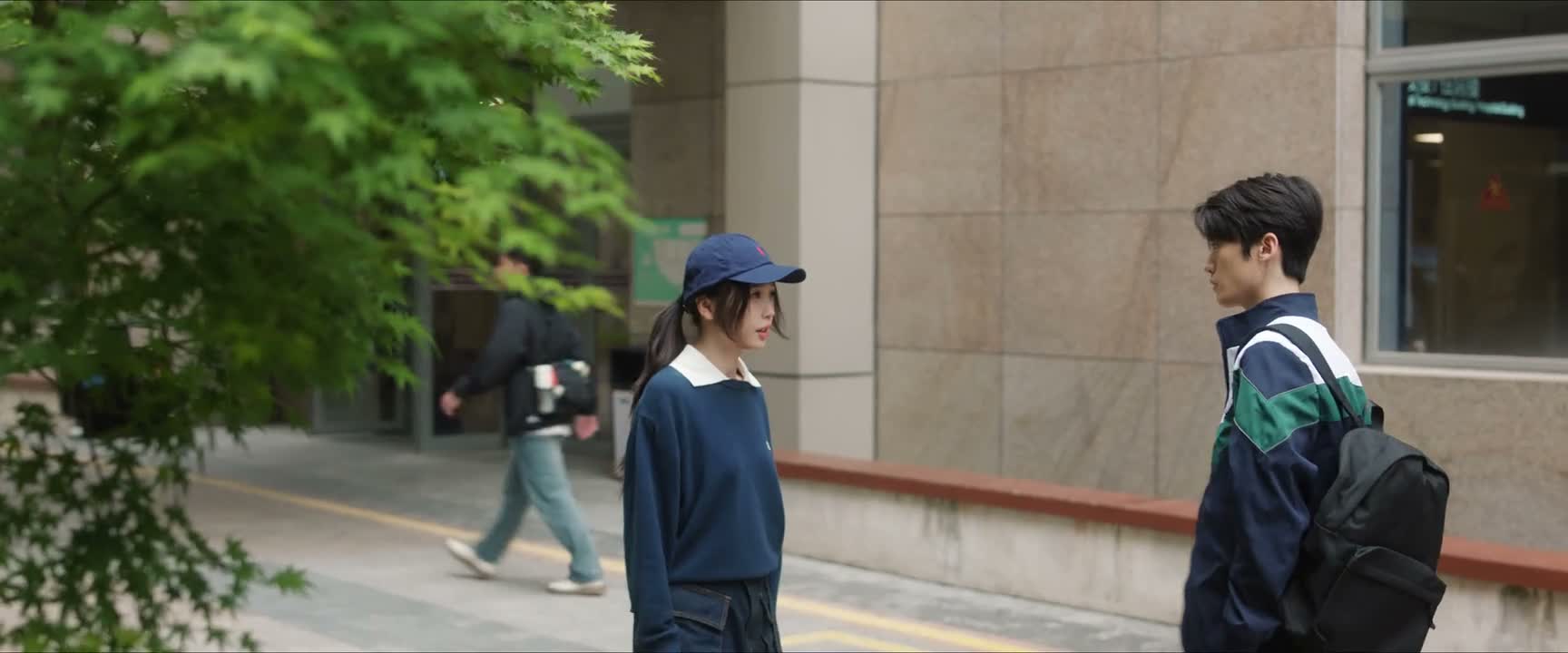
“I'm fine. Ms. Lin, you can go back. I'm your team supervisor.”

“Forget it, Sir. No need to talk about sad stuff.”

“What've you been up to lately, Teacher Li?”

“Call me Mr. Li. Okay, Mr. Li. Alright.”

“Ms. Li, please give us your feedback.”