把门给我打开 娘娘 陛下有令 任何人不得入内
“[Office of Drums and Bells] open the door! Your Highness, His Majesty ordered that no one may enter.”
THE DIALOGUE REEL
你们两个
“[Office of Drums and Bells] You two,”
把门 给我打开 娘娘 陛下有令 任何人 不得入内
“[Office of Drums and Bells] open the door! Your Highness, His Majesty ordered that no one may enter.”
区区废嫔 还想拦下本宫 娘娘
“A lowly discarded concubine wants to stop me? Your Highness,”
Direct spoken expression in this communicative setting.
In imperial palace hierarchy, a direct decree from the Emperor ('陛下有令') overrides even the highest-ranking consorts, forcing guards to openly defy royal women.
LEARNING CHUNKS & PARTICLES
open (it) for me
Adding '给我' before an imperative verb makes the command highly forceful, domineering, or urgent.
has issued an order
Formal administrative or historical phrasing indicating a standing decree from an absolute authority.
entry is strictly forbidden; no entry allowed
Formal prohibition phrase seen in official contexts, signs, or historical imperial commands.
VOCABULARY & EXPRESSIONS
Parallel Spoken Cinema Scenes (语义近邻切片)

“-Yes, Your Highness. -If you've got the nerve, -Go. -open the door!”

“Can you open the door and let me get some fresh air?”

“Get the door. Sure.”

“Changning, go lock the gate.”
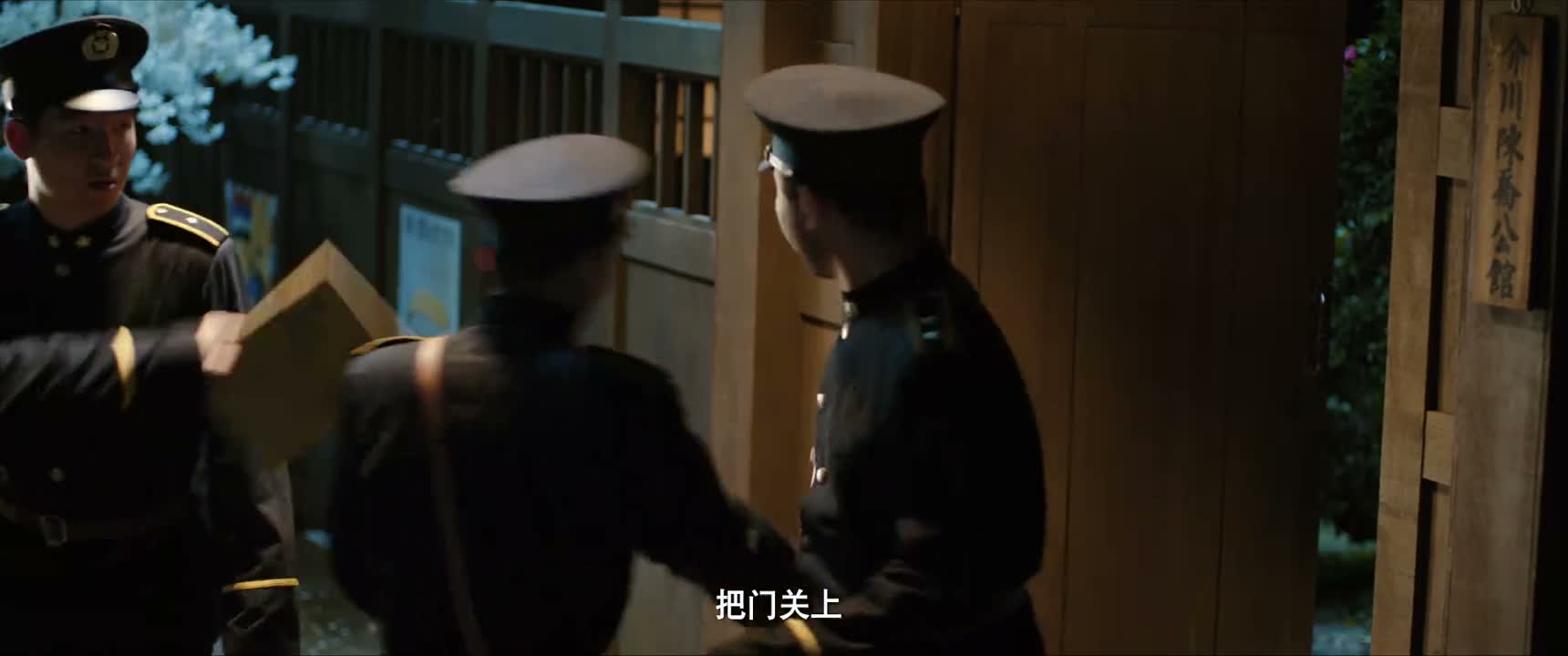
“Close the door.”

“Let me open the door for you.”