MC
MandarinClips Cinema Corpus
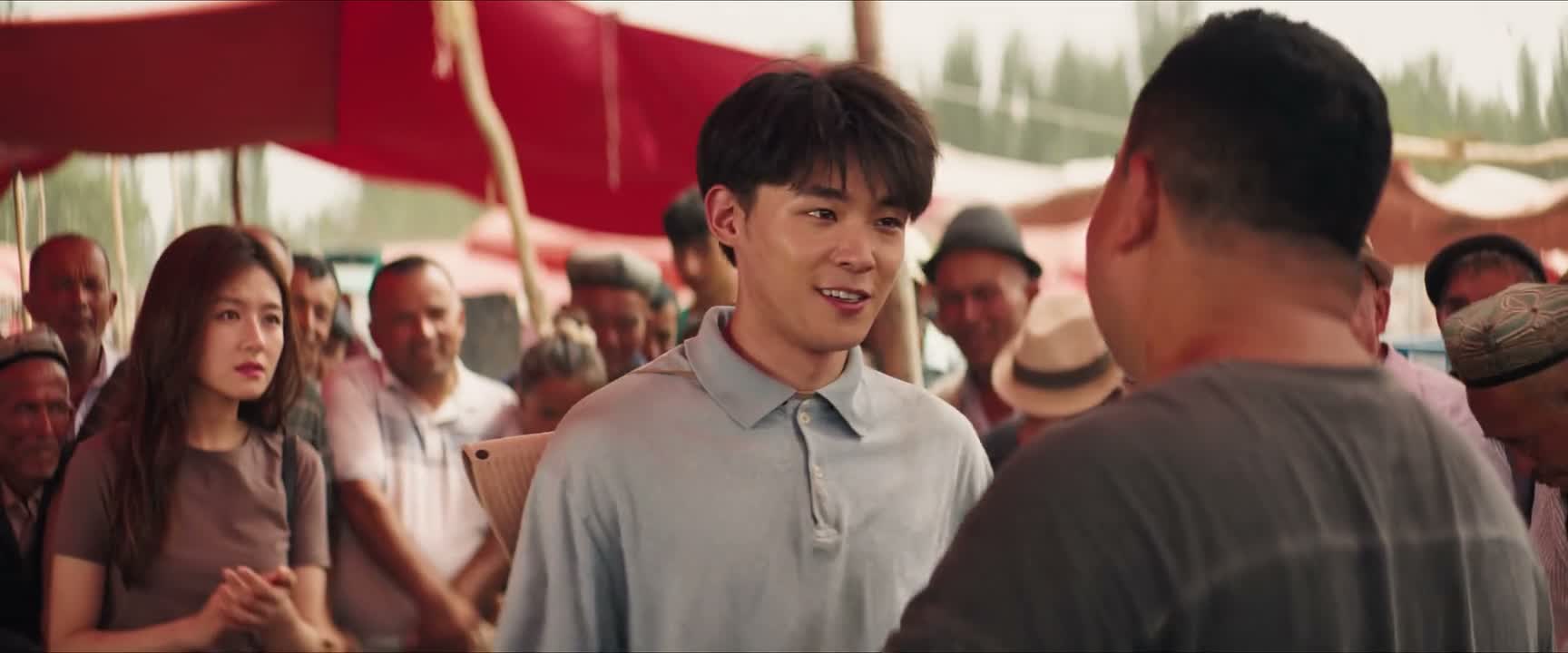
《Love Story in the 1970s》 S1·E27 (21:13) HSK 4
xiǎo fāng xiè xiè nǐ a bú kè qì

小方谢谢你啊 不客气

“Thank you, Fang. You're welcome.”

《Love Story in the 1970s》 S1·E27
TIMECODE: 21:13 · 1080P MASTER AUDIO

THE DIALOGUE REEL

1+1+1 SPOKEN CONTINUITY
[-1] PREVIOUS TURN hǎo hǎo jiǎn zhí gēn zhào piān yī mú yī yàng

“Wonderful! It's exactly like the photo.”

xiǎo fāng xiè xiè nǐ a bú kè qì CURRENT FOCUS

小方 谢谢你啊 不客气

“Thank you, Fang. You're welcome.”

[+1] FOLLOW-UP TURN néng bù néng bāng wǒ bǎ nà xiē rén

能不能帮我把 那些人

“Could you paint those people”

Subtitles synced to millisecond timecode Browse Show Clips →
Scene: Daily Life
Function: EXPRESSING GRATITUDE
Tone: WARM
Emotion: GRATITUDE
WHAT THEY REALLY MEAN (PRAGMATIC SUBTEXT)

Direct spoken expression in this communicative setting.

💡 Cultural Insight: Addressing Younger Acquaintances (Xiao + Surname)

Using 'Xiao' plus a surname creates an aura of warmth and familiarity without being overly informal in social and workplace environments.

INTENT TAGS: #gratitude #politeness #courtesy #acknowledgment
🧩

LEARNING CHUNKS & PARTICLES

2 CHUNKS · 1 PARTICLES
小方 SPOKEN CHUNK

Little Fang (affectionate title)

Prefixing 'Xiao' (little) before a surname is a standard, friendly way to address a younger colleague or acquaintance.

不客气 SPOKEN CHUNK

you're welcome; don't mention it

The most common and standard formulaic response to 'thank you' in Mandarin.

Modal Particle「啊」 (a) CHANGE OF STATE

Softens the expression of thanks, making it sound warmer and more approachable.
🏮

VOCABULARY & EXPRESSIONS

2 EXPR · 0 GRAMMAR
CROSS-CINEMA CORPUS BOARD · PARALLEL SCENES

Parallel Spoken Cinema Scenes (语义近邻切片)

EXPLORE BY SEMANTIC SIMILARITY
《Love Story in the 1970s》 S1·E27 (21:13) · Authentic Cinema Dialogue Corpus