不客气
bú kè qìCommon spoken expression used by native Chinese speakers in daily life.
[Scene: 其他场景]
(11 clips) 00:02
 00:02
 00:02
 00:02
 00:02
 00:02
 00:03
(我不回去) ── Previous context
“Get lost, all of you! Then don't blame me for being impolite.”
 00:02
 00:03
(你就别在这儿赖着了) ── Previous context
“Wanzhi can ignore you. But the market supervisors aren't polite.”
 00:03
(你这口味也太素净了吧) ── Previous context
“If you bad-mouth her again, don't blame me for getting rough.”
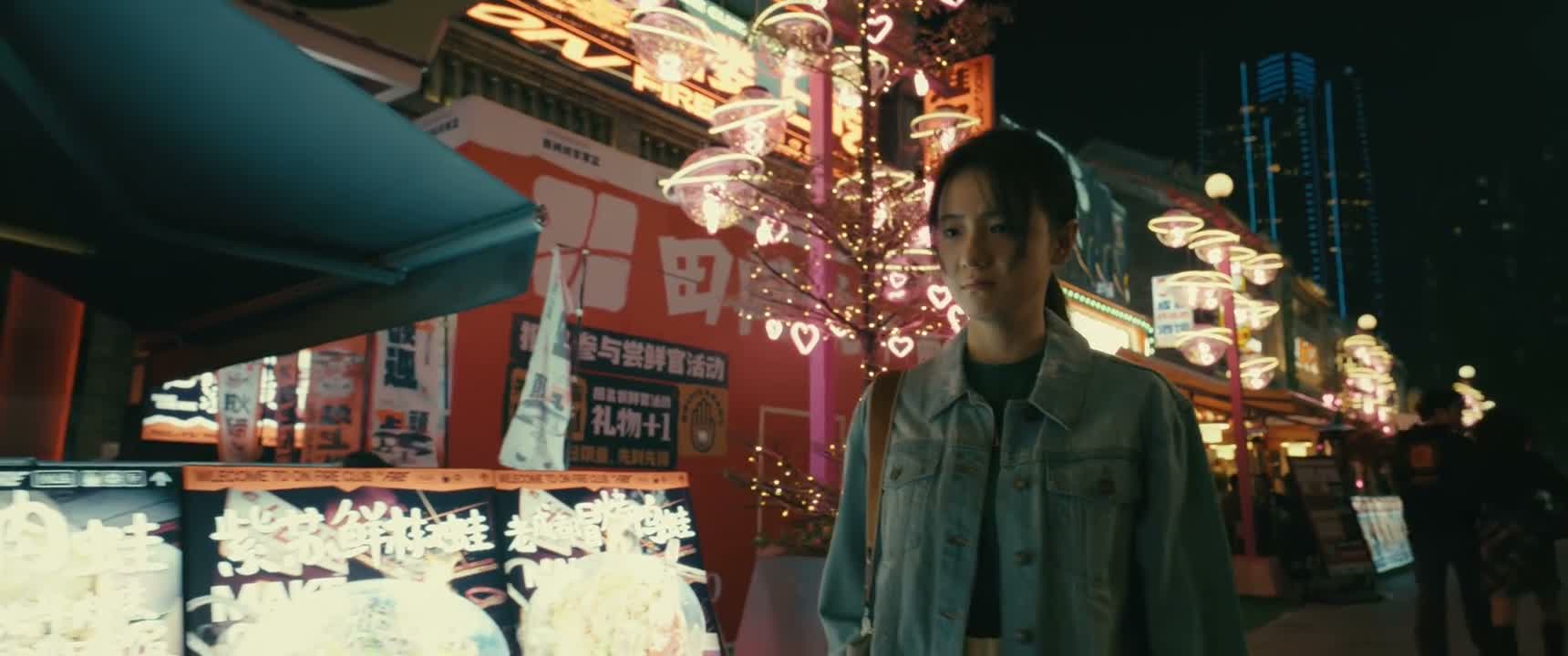 00:03
(不该做的不做吗 我没做什么呀 你没做什么) ── Previous context
“(They rejected you with a mood) (and even scolded me!)”
[Scene: 其他场景]
(11 clips) 00:03
(你看一下全缺不缺) ── Previous context
“This is all I need. Thank you. You're welcome. I'll walk you out.”
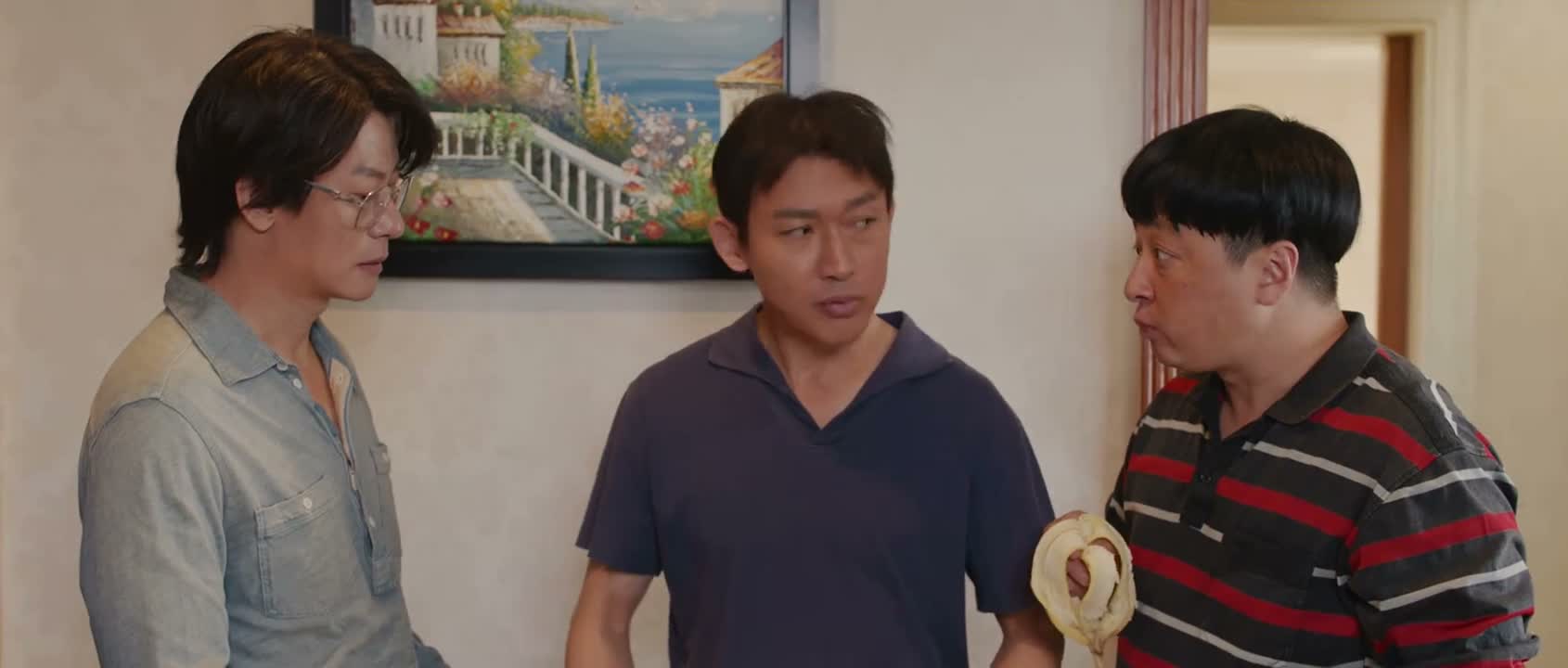 00:02
 00:02
 00:02
 00:03
(快谢谢哥哥 谢谢哥哥) ── Previous context
“You're welcome. Thank you, young man. You're welcome.”
 00:02
 00:03
 00:02
 00:02
 00:02
 00:02
[Scene: 社交聚会]
(6 clips) 00:02
(看上哪个 拿走 真的吗) ── Previous context
“(To Yu: gentle wind, romantic flowers.) Really? (You are special. I like you. - Jun) I will. I'll take those chocolates.”
 00:02
 00:02
 00:02
 00:02
 00:02
[Scene: 职场工作]
(3 clips) 00:02
 00:02
 00:02
[Scene: 餐饮美食]
(2 clips) 00:03
(赶紧下来 走了 给人送饺子去 好) ── Previous context
“Here comes the noodles. Thank you. That's alright.”
 00:03
[Scene: 商务沟通]
(1 clips) 00:03
(王总的事 我一定会帮她牵线搭桥的) ── Previous context
“Thank you for your appreciation of her and the firm. You are very welcome.”
[Scene: 家庭日常]
(1 clips) 00:02
[Scene: 警匪刑侦]
(1 clips) 00:03
(行 赵姐 今儿就聊到这儿) ── Previous context
“Thank you. You're welcome. Happy to assist.”
[Scene: 出行交通]
(1 clips) 00:03
(请问你们这儿有租车的地方吗 有的) ── Previous context
“Yes, there's one right in front of the hotel. Thanks. You're welcome.”
📌 你说你
→Nuance: 同为回应感谢的客气表达
📌 没事
→Nuance: 感谢与客气回应的完整互换
📌 一个人
→Nuance: 同向近义词根配对: [别人 ↔ 人家]
📌 太仗义了
→Nuance: 核心夸赞意图一致可互换
📌 客气什么
→Nuance: 同为回应感谢的客气表达
📌 太客气了
→Nuance: 更客气委婉的同义表达
📌 太客气了
→Nuance: 同为谦辞回应,核心意图一致
📌 别客气
→Nuance: 致谢与应答完全一致可互换
📌 麻烦你
→Nuance: 客套致谢与应答结构功能一致