MC
MandarinClips Cinema Corpus
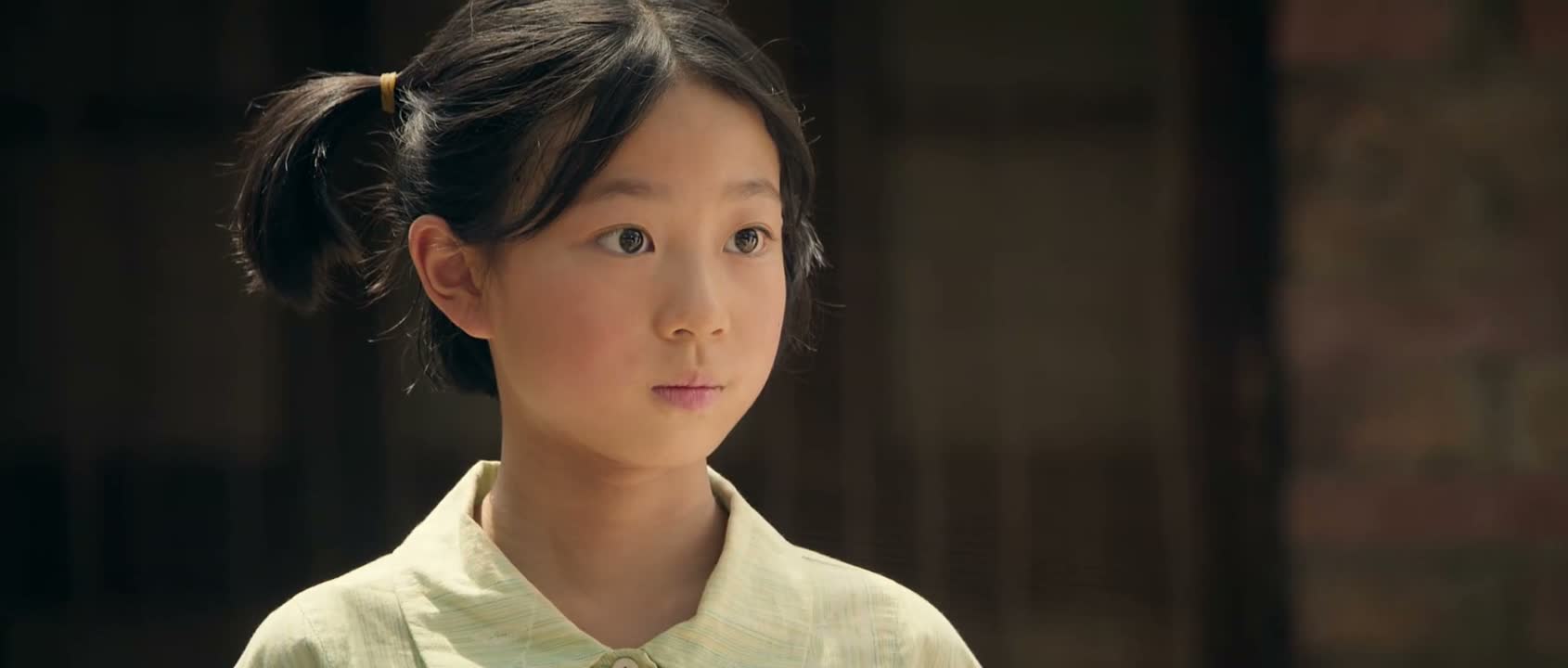
《Love Story in the 1970s》 S1·E1 (09:22) HSK 4
bú kè qì xiè xiè nǐ a xiǎo huǒ zi bú kè qì

不客气 谢谢你啊 小伙子 不客气

“You're welcome. Thank you, young man. You're welcome.”

《Love Story in the 1970s》 S1·E1
TIMECODE: 09:22 · 1080P MASTER AUDIO

THE DIALOGUE REEL

1+1+1 SPOKEN CONTINUITY
[-1] PREVIOUS TURN kuài xiè xiè gē gē xiè xiè gē gē

“Say thank you. Thank you.”

bú kè qì xiè xiè nǐ a xiǎo huǒ zi bú kè qì CURRENT FOCUS

不客气 谢谢你啊 小伙子 不客气

“You're welcome. Thank you, young man. You're welcome.”

[+1] FOLLOW-UP TURN hái yǒu zhè ge chī ba

还有这个 吃吧

“And this, too. Eat up.”

Subtitles synced to millisecond timecode Browse Show Clips →
Scene: Daily Life
Function: EXPRESSING GRATITUDE
Tone: AFFABLE
Emotion: GRATITUDE
WHAT THEY REALLY MEAN (PRAGMATIC SUBTEXT)

Direct spoken expression in this communicative setting.

💡 Cultural Insight: Elder Courtesy and Intergenerational Harmony

Chinese elders frequently use affectionate terms like 'young man' (xiaohuozi) to express appreciation and establish a warm, quasi-familial connection with younger helpful individuals.

INTENT TAGS: #gratitude #politeness #reciprocity #warmth
🧩

LEARNING CHUNKS & PARTICLES

2 CHUNKS · 1 PARTICLES
不客气 SPOKEN CHUNK

you're welcome / don't mention it

The standard polite response to someone thanking you or expressing politeness.

小伙子 SPOKEN CHUNK

young man / lad

A friendly, affectionate term of address used by older adults toward younger men.

Modal Particle「啊」 (a) CHANGE OF STATE

Softens the tone to convey warmth, sincerity, and elder affection.
🏮

VOCABULARY & EXPRESSIONS

2 EXPR · 0 GRAMMAR
CROSS-CINEMA CORPUS BOARD · PARALLEL SCENES

Parallel Spoken Cinema Scenes (语义近邻切片)

EXPLORE BY SEMANTIC SIMILARITY
《Love Story in the 1970s》 S1·E1 (09:22) · Authentic Cinema Dialogue Corpus