太客气了
tài kè qì leCommon spoken expression used by native Chinese speakers in daily life.
[Scene: 社交聚会]
(4 clips) 00:02
 00:02
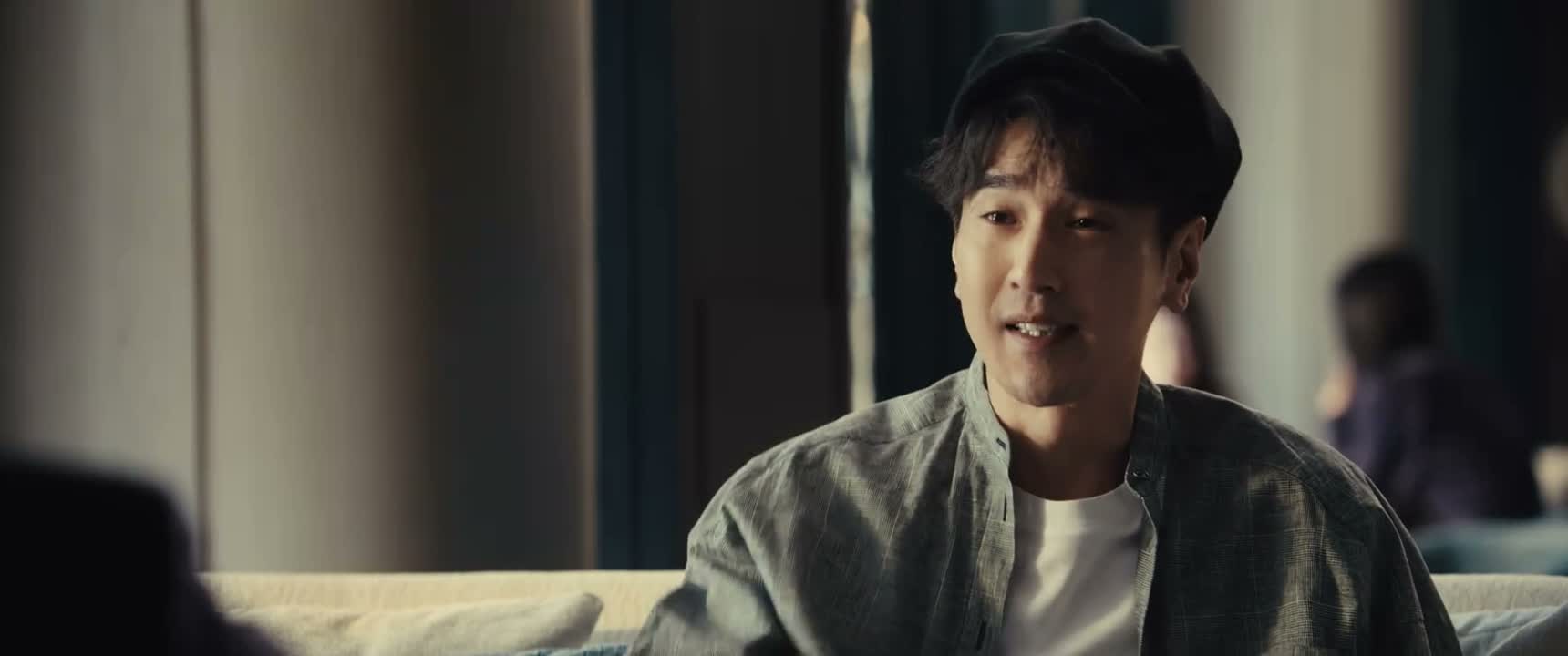 00:03
(代表平台的所有读者 向何韩老师表示感谢) ── Previous context
“Mr. Fan, you're too kind. Our relationship speaks for itself, right?”
 00:02
[Scene: 餐饮美食]
(3 clips)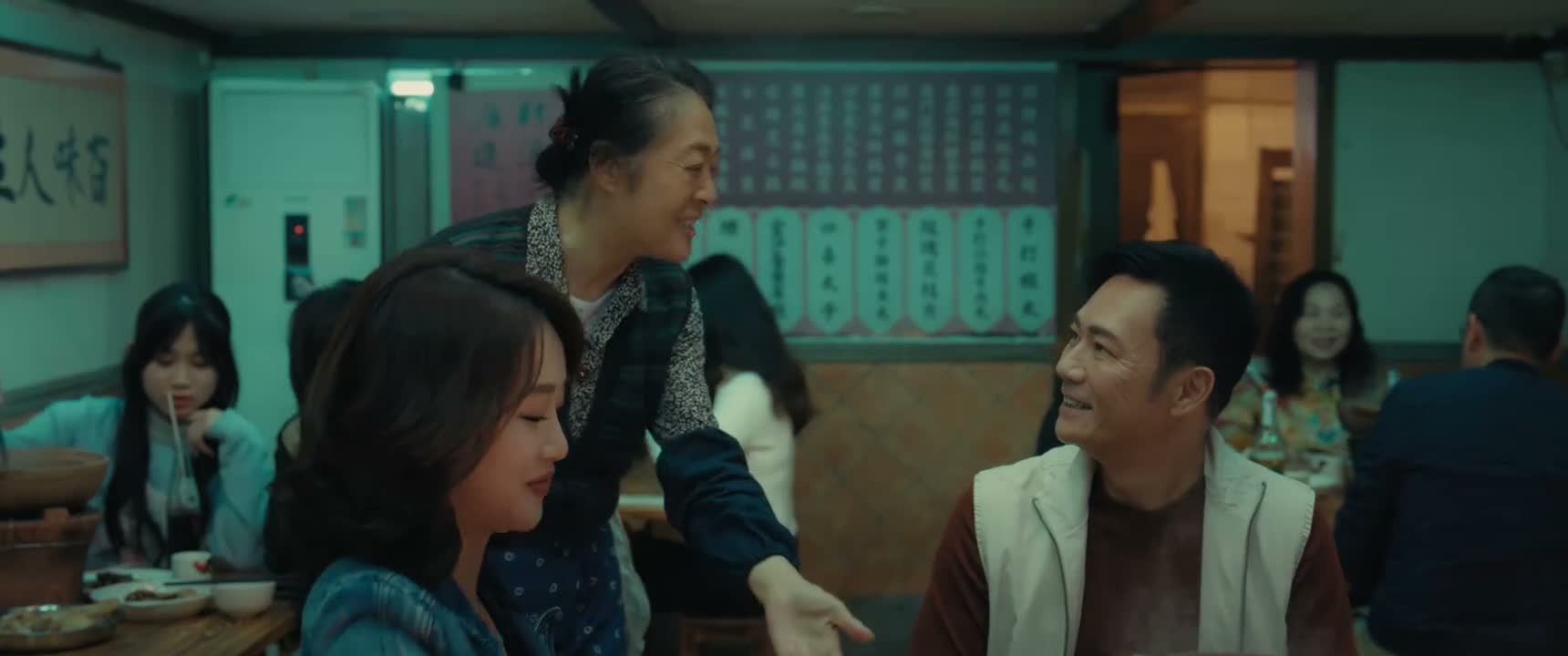 00:03
(送给您品尝一下 谢谢 谢谢 老板太客气了) ── Previous context
“Please eat. - You're too kind. - Thank you, ma'am.”
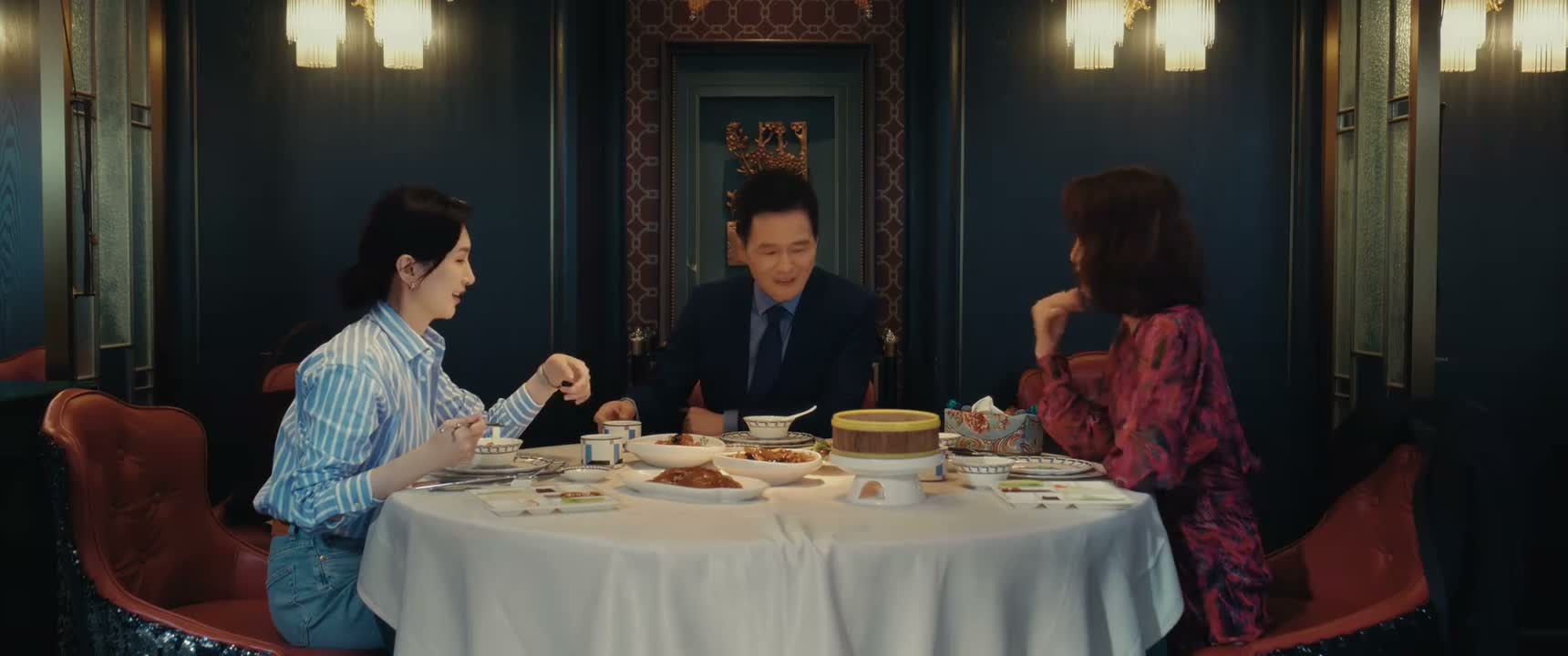 00:02
 00:03
(感谢领导来船厂指导工作) ── Previous context
“[Three Days Countdown for the Signing Ceremony] You must be tired from the journey. Let's have a simple meal. You're too kind, Ma.”
[Scene: 职场工作]
(3 clips) 00:03
 00:03
(廖副总 我爸经常跟我夸你 让我多跟您学习) ── Previous context
“Now, I finally have the chance. You're too kind, Ms. Liao.”
 00:03
(我们呢暂时又没有实行电子化 所以呢 耽误点时间) ── Previous context
“You're too kind, Mr. Liu. I should thank you for assisting our investigation.”
[Scene: 其他场景]
(2 clips)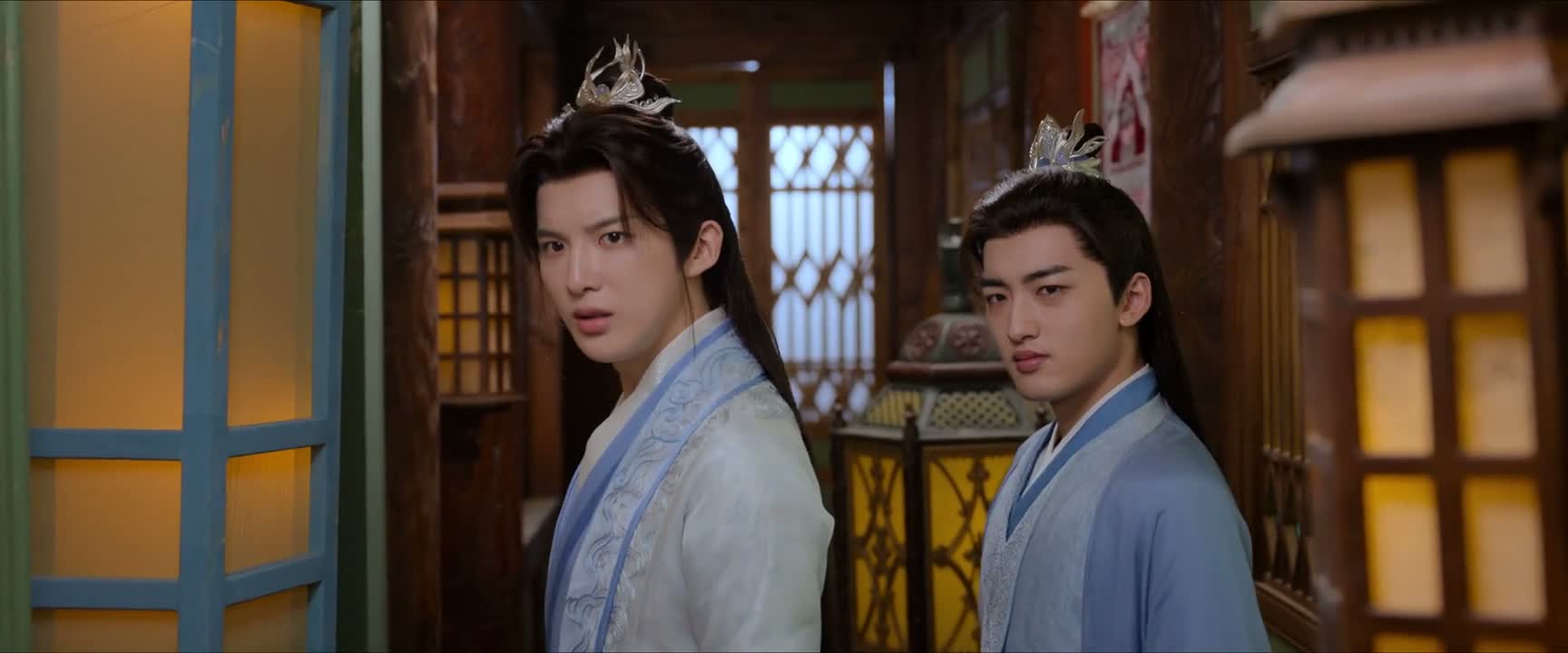 00:02
 00:02
[Scene: 其他场景]
(2 clips) 00:03
 00:02
[Scene: 商务沟通]
(1 clips)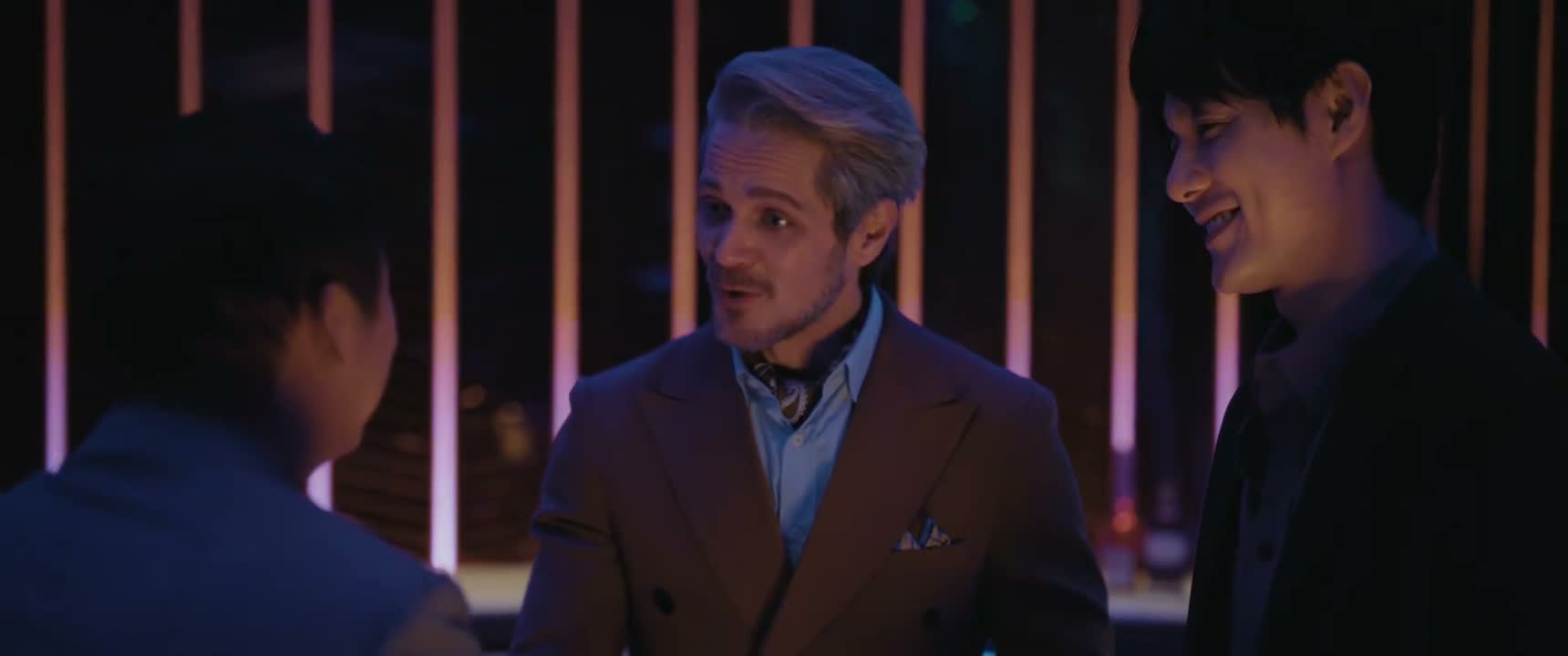 00:03
(为人很豪爽的 林总 您好 白总 您好) ── Previous context
“I'd like to thank you on behalf of GST. You're too kind.”
[Scene: 其他场景]
(1 clips) 00:02
📌 没事
→Nuance: 包含完整应答,意图同义
📌 来来来
→Nuance: 方言同意且客套,意图高度一致
📌 过分
→Nuance: 均表达对对方行为越界的不满
📌 过分
→Nuance: 自省反思意图一致可互换
📌 不客气
→Nuance: 更客气委婉的同义表达
📌 不客气
→Nuance: 同为谦辞回应,核心意图一致
📌 不好意思
→Nuance: 收礼时客套感谢的更委婉表达
📌 不好意思
→Nuance: 客套收礼场景,意图完全一致
📌 你这孩子
→Nuance: 长辈对晚辈客套抱怨买太多
📌 别客气
→Nuance: 更客气委婉的礼貌用语