刘老师 您太客气了 我还得感谢您啊
“You're too kind, Mr. Liu. I should thank you for assisting our investigation.”
THE DIALOGUE REEL
我们呢暂时又没有实行电子化 所以呢 耽误点时间
“We haven't digitized them yet. Hence the delay.”
刘老师 您 太客气了 我 还得 感谢您 啊
“You're too kind, Mr. Liu. I should thank you for assisting our investigation.”
配合我们工作
“I should thank you for assisting our investigation.”
Direct spoken expression in this communicative setting.
In Chinese social interaction, deflecting apologies by returning gratitude ensures mutual respect and smooth interpersonal rapport.
LEARNING CHUNKS & PARTICLES
too polite / overly courteous
A staple polite formula used to respond to apologies, favors, compliments, or gifts.
ought to / should actually
Used to emphasize a reciprocal duty or strong inclination to do something in return.
Functions here with '太' to express high degree and completion of the courtesy.
Softens the tone of the sentence, adding warmth and sincerity to the gratitude.
VOCABULARY & EXPRESSIONS
Parallel Spoken Cinema Scenes (语义近邻切片)

“Thank you for bringing her back.”

“Thank you so much, Ms. Yan. Please carefully observe any change”

“Thank you for your hospitality today, Chairman Li. Not at all.”

“Thank you so much! Thank you, Director Ma!”

“Fine. Then thank you, Mr. Gao. We're leaving. Hold on.”

“Thanks, Mr. Liu. Not at all. Professor Zhuang has been praising you.”
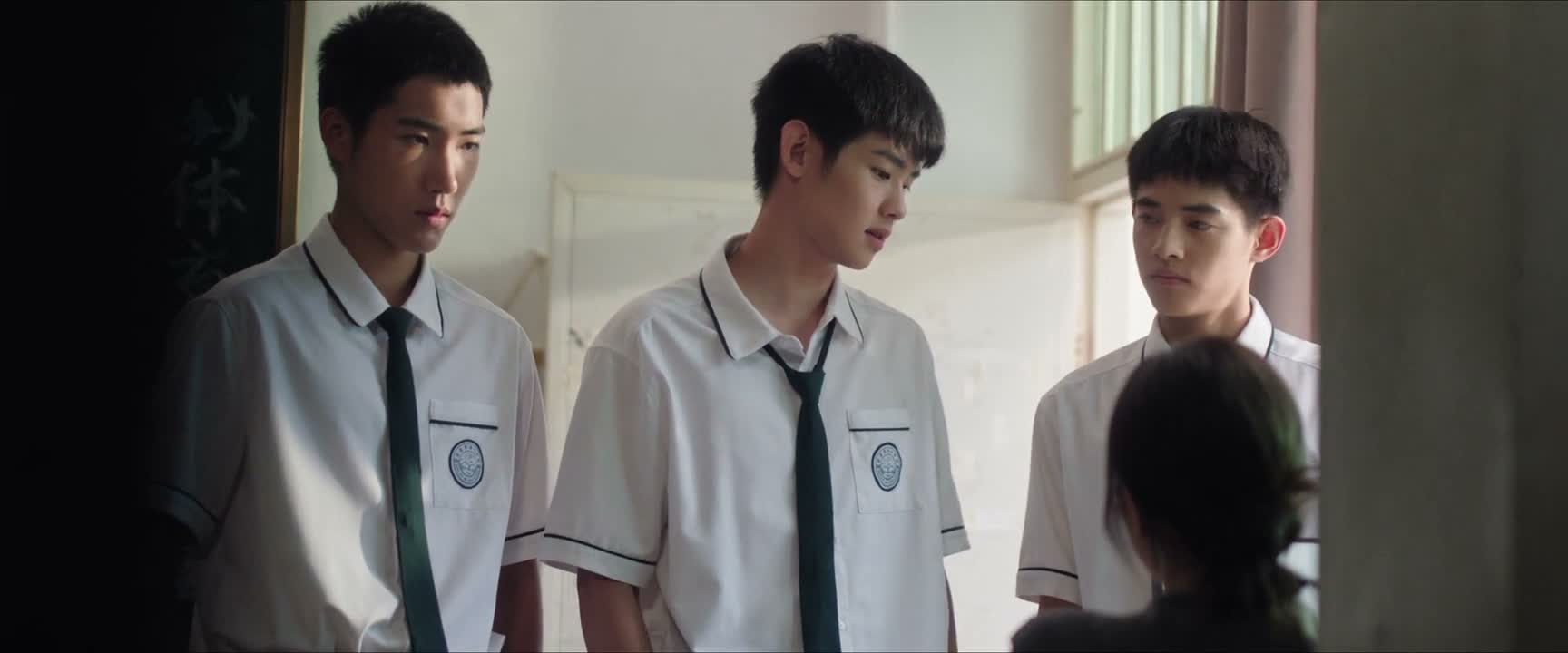
“Besides, you just look like a student. Thank you.”

“Please thank Ms. Ji for us.”

“I'm leaving. Go ahead. Thanks, Mr. Liu.”

“Okay, if you're interested, I'll just sign you up with him. Thank you, Mr. Liu. I promise I won't let you down.”

“Miss Tang, thank you for the food and the drink.”

“-I'll talk to Ms. Yan... -Thank you for your generous support,”
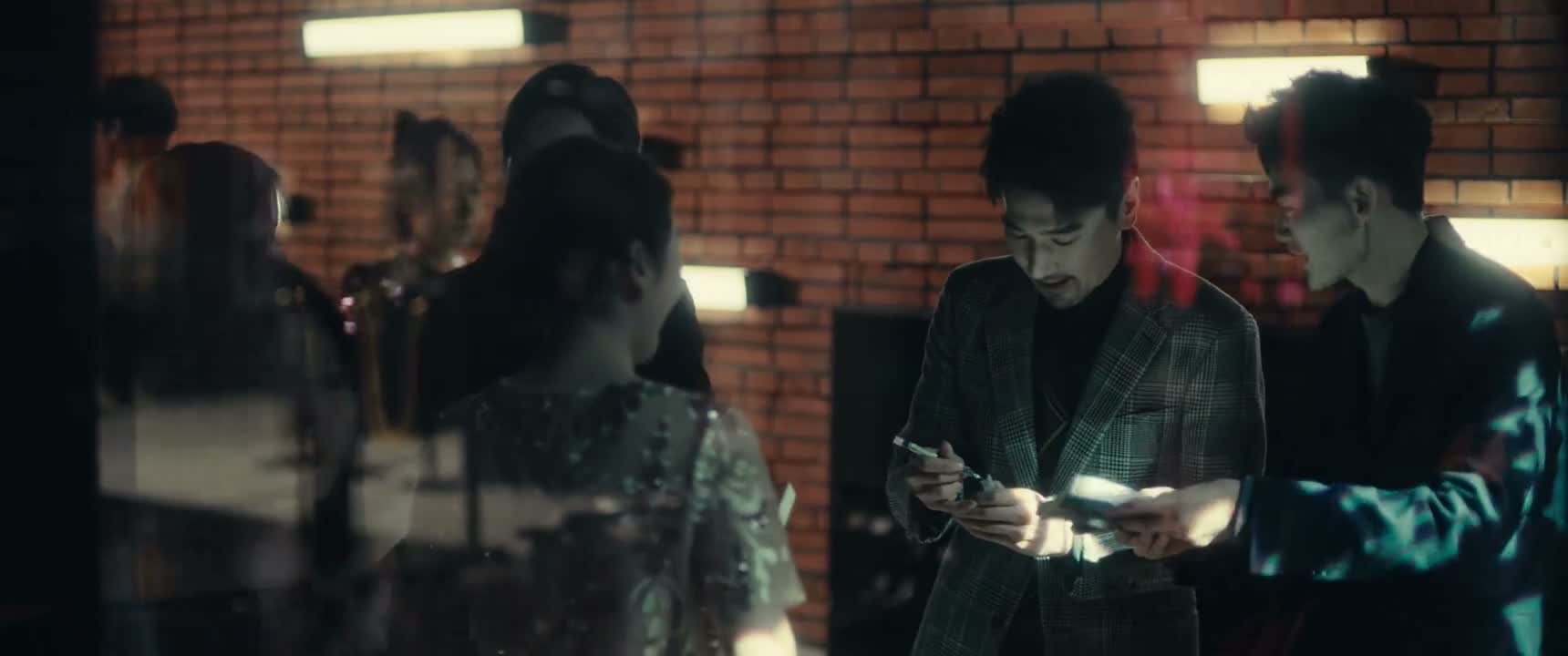
“Thank you. No problem. Alright.”