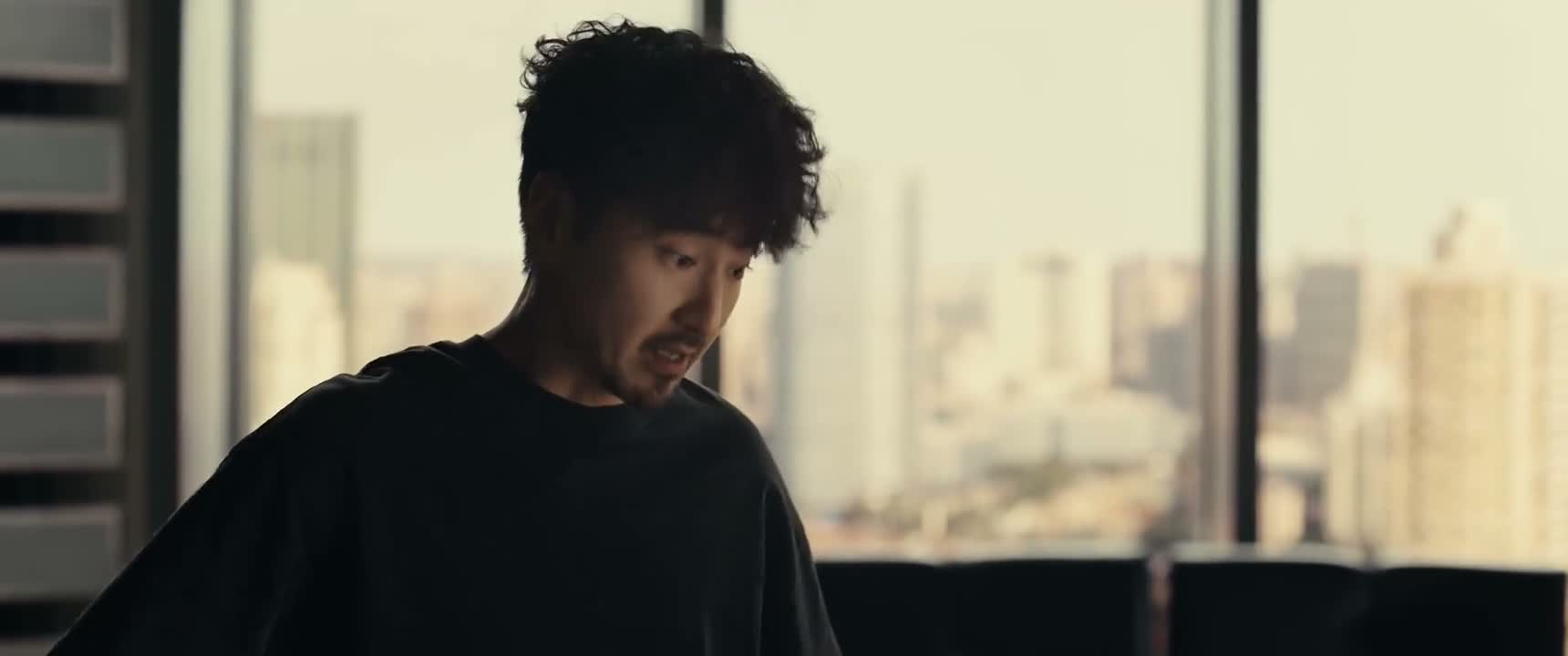
阿强 你这是干什么呀 我家里的旧家具 给你用
“Qiang, what are you doing? I have old furniture from my house for you to use.”
THE DIALOGUE REEL
谢谢
“Thank you.”
阿强 你这是干什么 呀 我家 里的旧家具 给你 用
“Qiang, what are you doing? I have old furniture from my house for you to use.”
不用 默哥 你别管了 水电通不通啊 有啊
“No need. -Mo. -Leave it. Is the water and electricity working? Yes.”
Direct spoken expression in this communicative setting.
Among close neighbors or sworn brothers in Chinese communities, offering spare household goods is an essential gesture of practical solidarity.
LEARNING CHUNKS & PARTICLES
What are you doing? / Why are you doing this?
Commonly used in spoken Chinese to express mild concern or surprise when catching someone engaged in strenuous or unnecessary labor.
secondhand furniture
A straightforward compound used in everyday domestic situations.
Softens the rhetorical question into a friendly, concerned inquiry rather than an accusation.
VOCABULARY & EXPRESSIONS
Parallel Spoken Cinema Scenes (语义近邻切片)

“Why are you telling Qiang this? He doesn't understand.”

“When you were against Qiang at that time, you should have expected today.”

“The place might be a bit old, but everything inside is new.”

“Know why I told you not to bring all that junk from the old place?”

“It's not even proper furniture. Who cares if it's ugly?”
“Madam, I don't need these anymore. If you like them, you can have them.”