宝宝 你怎么了 不高兴啊
“Baby, what's wrong? Are you unhappy?”
THE DIALOGUE REEL
只能这么结了
“we can only end it like this.”
宝宝 你怎么了 不高兴 啊
“Baby, what's wrong? Are you unhappy?”
妈妈陪你去玩那个 那个滑滑梯
“Let's go play the slide together.”
Direct spoken expression in this communicative setting.
Calling a child '宝宝' (baby) is standard parental baby-talk in modern Chinese urban families, conveying warmth and protective intimacy.
LEARNING CHUNKS & PARTICLES
What's the matter? / What happened to you?
The most fundamental phrase in spoken Chinese for expressing immediate concern when someone looks hurt or sad.
unhappy; displeased
Frequently used with children or close partners to describe moodiness or distress.
Indicates a perceived change of state in the child's emotional condition.
Softens the tag question into a tender, solicitous inquiry.
VOCABULARY & EXPRESSIONS
Parallel Spoken Cinema Scenes (语义近邻切片)
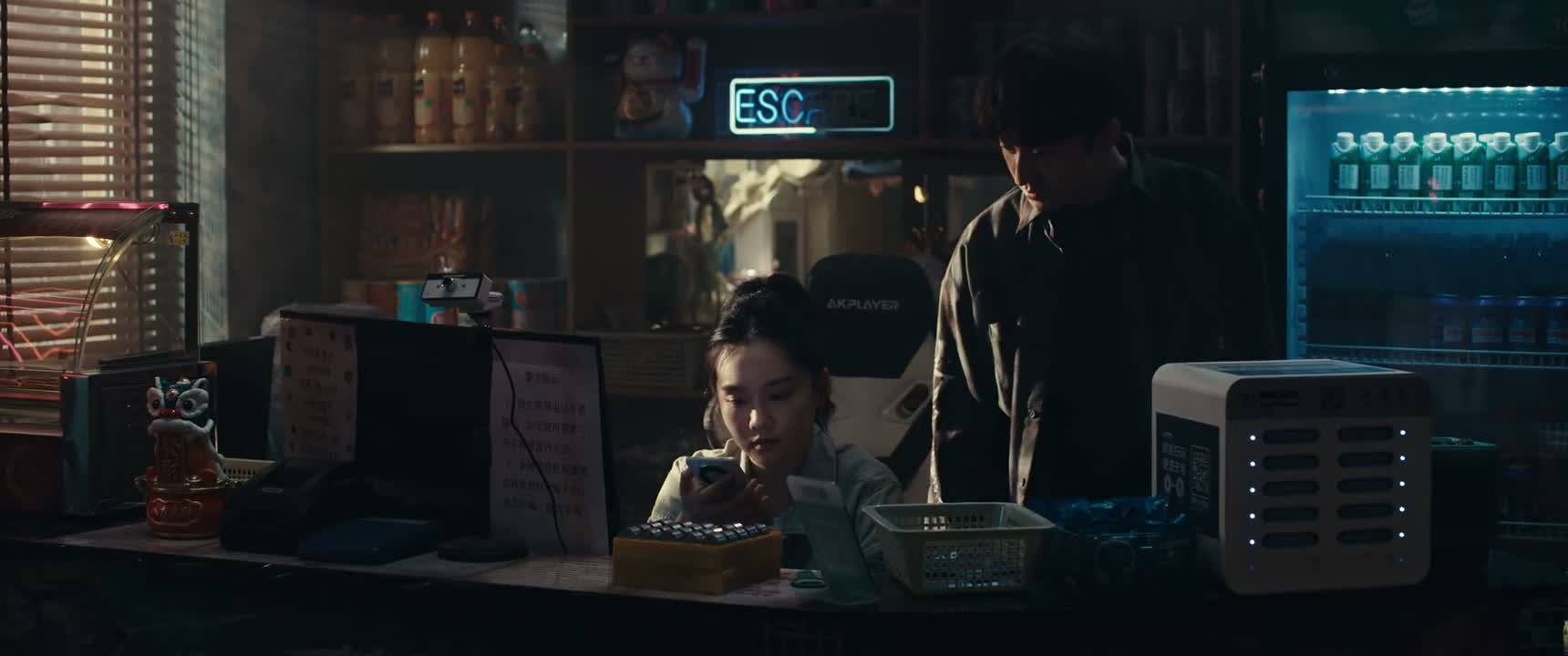
“Hey, what's wrong? You're not happy?”

“What's wrong? Are you unhappy?”

“What's wrong, baby?”
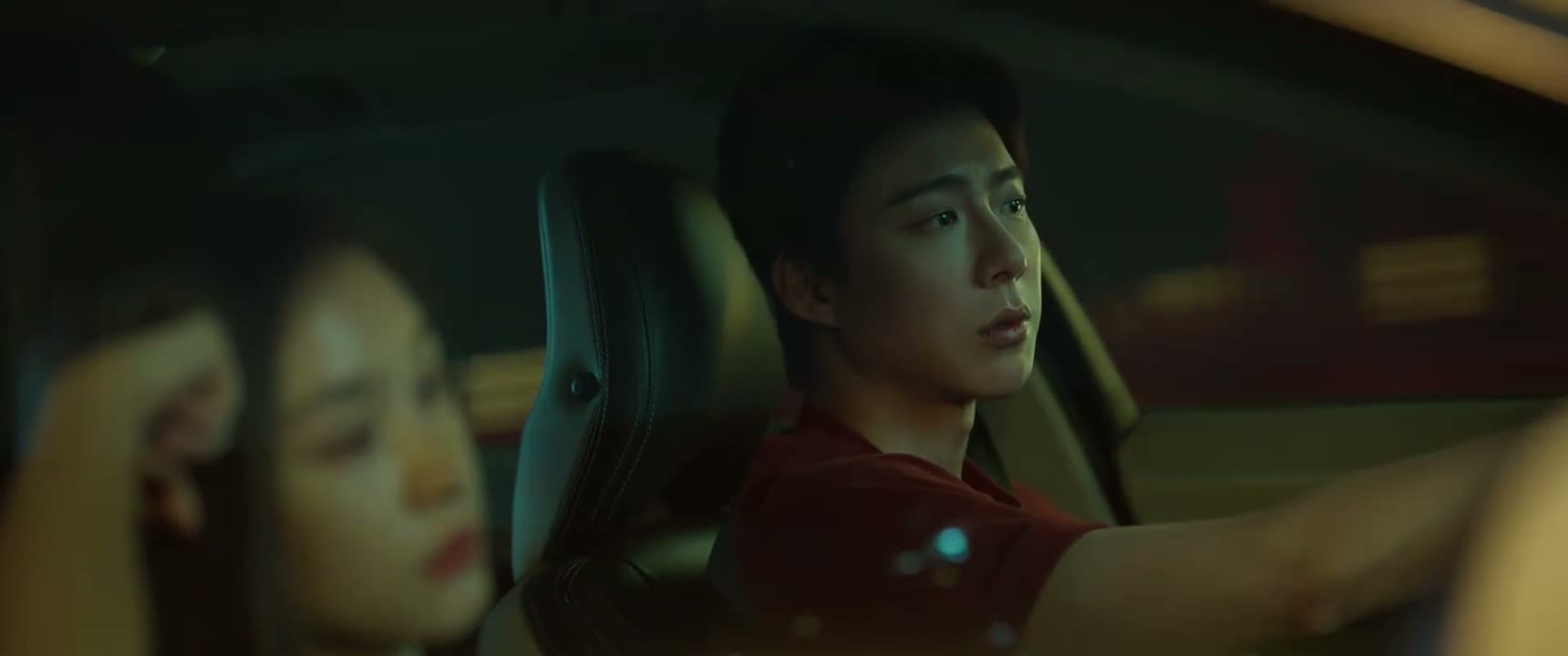
“What's wrong? You're not happy?”