没说不让带相机是吧 我说不让带了吗
“but you didn't say c ameras weren't allowed, right? Did I say they weren't allowed?”
THE DIALOGUE REEL
没藏 没东西 主任你不是说 学校不让带手机
“-We're not hiding anything. -Nothing. Director, you said phones weren't allowed at school,”
没说不让带 相机 是吧 我说 不让 带了吗
“but you didn't say c ameras weren't allowed, right? Did I say they weren't allowed?”
宏景八中足球队完胜绿景国际
“Our football team completely defeated Lyujing International.”
“Don't play dumb with me; you know very well this breaks the spirit of the rule.”
Chinese teachers and administrative figures often deploy double negatives and rhetorical questions to exert dominance and expose a student's sophistry without lengthy lectures.
LEARNING CHUNKS & PARTICLES
didn't say it's not allowed
A double negative used to highlight an explicit absence of permission or prohibition.
Did I say you're not allowed to bring it?
A sharp rhetorical question used by someone in authority to refute an excuse or corner someone.
Conveys aggressive presumption, demanding forced agreement from the listener.
Turns the statement into a challenging rhetorical question where the expected answer is obvious.
Marks the past action of uttering the statement.
VOCABULARY & EXPRESSIONS
Parallel Spoken Cinema Scenes (语义近邻切片)
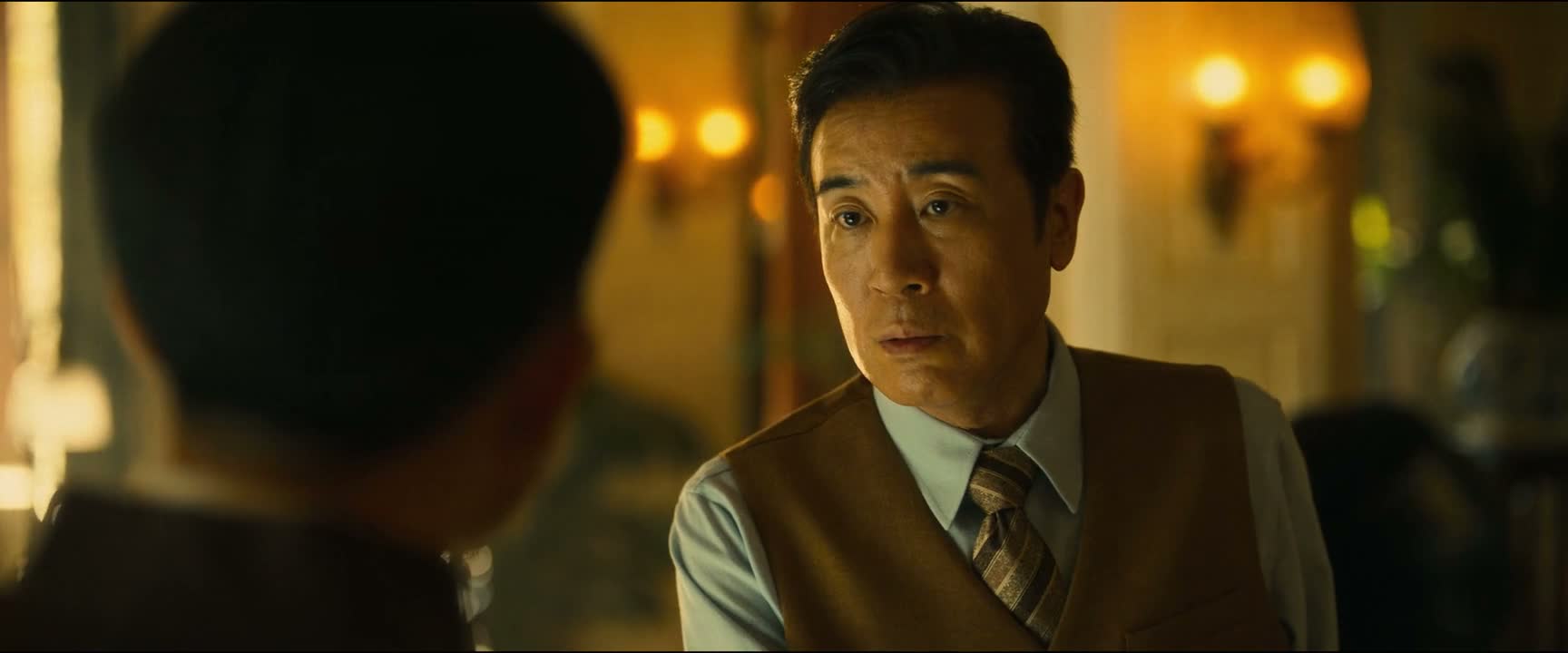
“Then can I take all my cameras with me?”
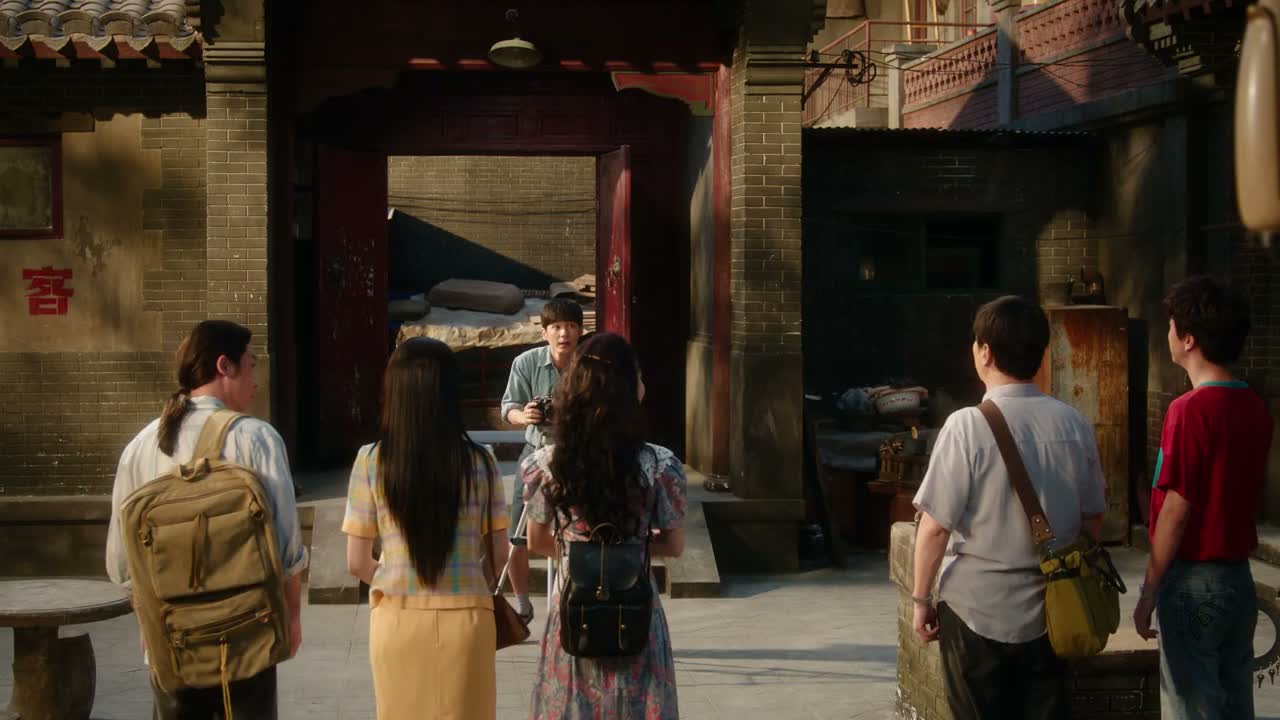
“You took a photo without me?”
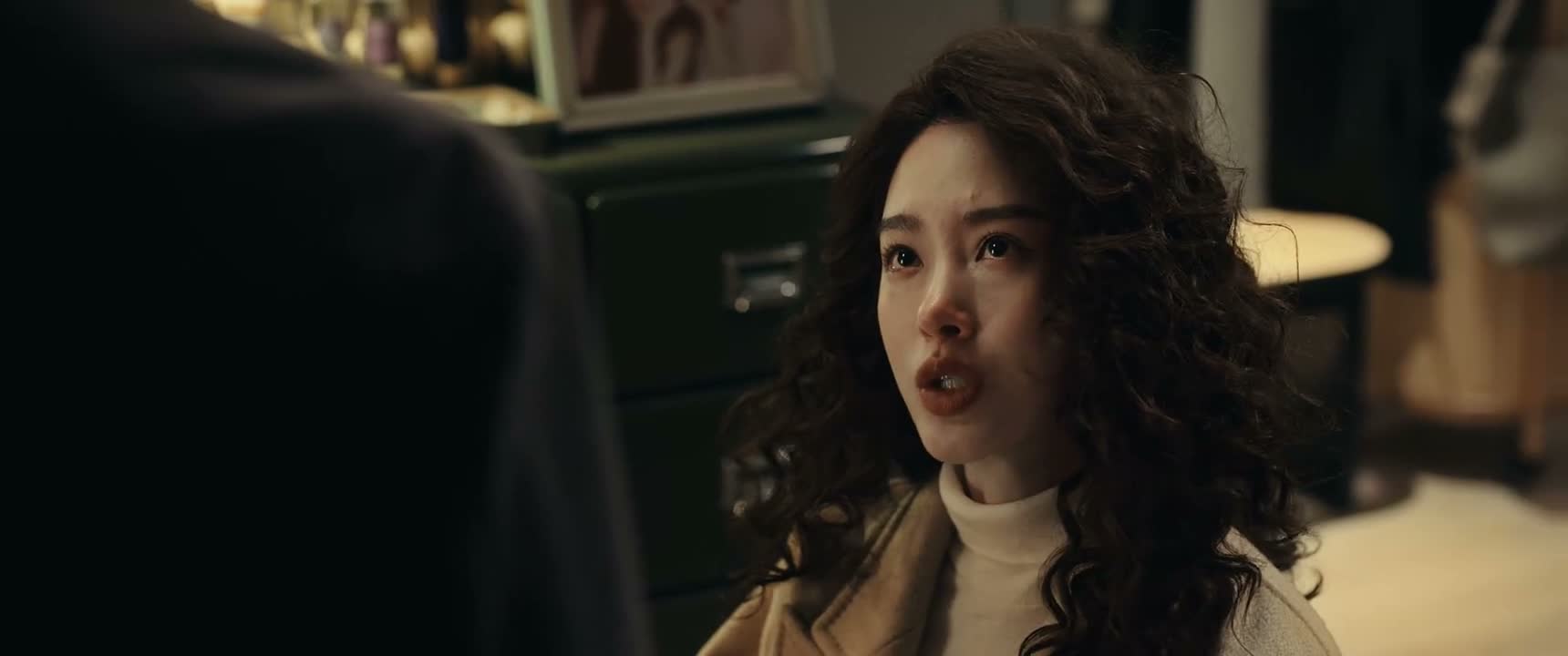
“If not, then why did you take me?”

“He didn't say I could bring others.”
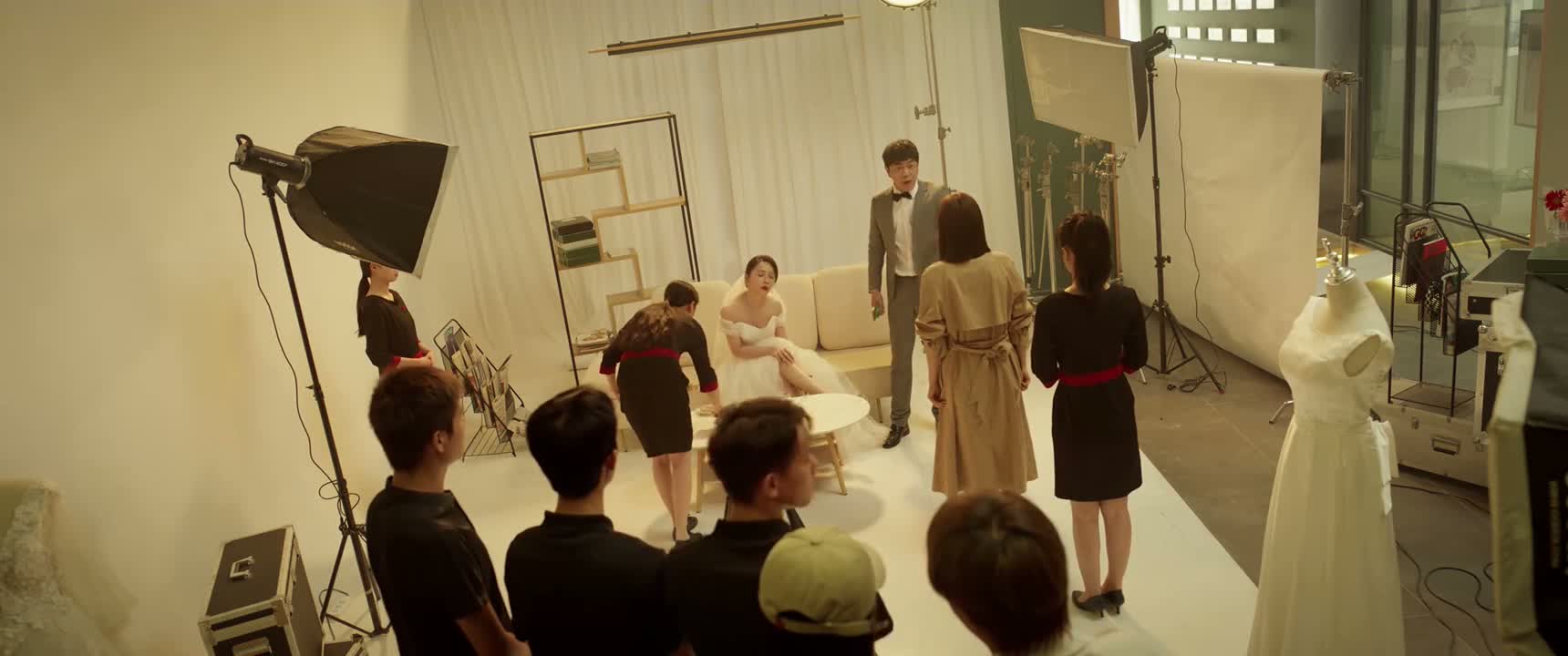
“Now you tell me there's no photographer?”

“No big deal. The director said tomorrow's okay.”