MC
MandarinClips Cinema Corpus
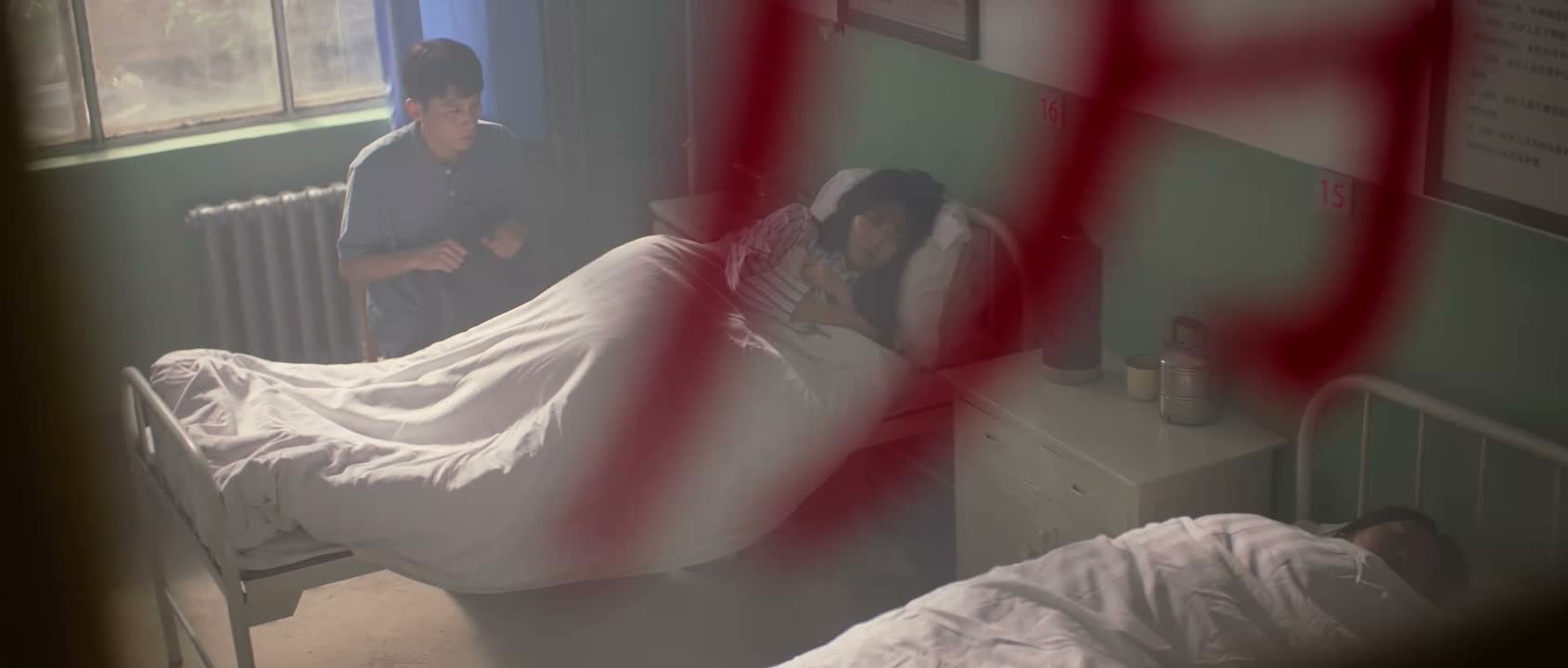
《Light to the Night》 S1·E25 (29:11) HSK 7
yī shēng shuō méi yǒu dà ài jiù shì guò dù láo lèi yǐn fā de lǎo máo bìng

医生说没有大碍 就是过度劳累引发的老毛病

“Doctor said it's nothing serious. Just overwork triggering his condition.”

《Light to the Night》 S1·E25
TIMECODE: 29:11 · 1080P MASTER AUDIO

THE DIALOGUE REEL

1+1+1 SPOKEN CONTINUITY
[-1] PREVIOUS TURN zěn me huí shì ? gāng gāng hé hé lǎo tōng diàn huà ne zěn me tū rán yūn le ?

怎么回事? 刚刚和何老通电话呢 怎么突然晕了?

“What happened? I was on the phone with him, and he suddenly fainted?”

yī shēng shuō méi yǒu dà ài jiù shì guò dù láo lèi yǐn fā de lǎo máo bìng CURRENT FOCUS

医生说 没有大碍 就是 过度劳累引发的 老毛病

“Doctor said it's nothing serious. Just overwork triggering his condition.”

[+1] FOLLOW-UP TURN bù yán zhòng jiù hǎo

不严重就好

“That's a relief.”

Subtitles synced to millisecond timecode Browse Show Clips →
Scene: Medical & Health
Function: REASSURING
Tone: REASSURING
Emotion: RELIEF
WHAT THEY REALLY MEAN (PRAGMATIC SUBTEXT)

Direct spoken expression in this communicative setting.

💡 Cultural Insight: Downplaying Health Crises

Chinese speakers often invoke preexisting chronic ailments caused by overwork to comfort others and downplay the severity of acute medical episodes.

INTENT TAGS: #reassurance #reporting #consoling #alleviating_worry
🧩

LEARNING CHUNKS & PARTICLES

3 CHUNKS · 0 PARTICLES
没有大碍 SPOKEN CHUNK

nothing serious / no major harm

Standard reassuring expression commonly used after medical exams, minor accidents, or physical mishaps.

过度劳累 SPOKEN CHUNK

overwork / extreme exhaustion

A common medical explanation in Chinese contexts for sudden fatigue, fainting, or health relapses.

老毛病 SPOKEN CHUNK

chronic ailment / old recurring trouble

Used colloquially for chronic health issues or persistent bad habits.
🏮

VOCABULARY & EXPRESSIONS

3 EXPR · 1 GRAMMAR
CROSS-CINEMA CORPUS BOARD · PARALLEL SCENES

Parallel Spoken Cinema Scenes (语义近邻切片)

EXPLORE BY SEMANTIC SIMILARITY
《Light to the Night》 S1·E25 (29:11) · Authentic Cinema Dialogue Corpus