而且他的双手被反绑
“His hands were tied behind his back. The back of his neck was bruised.”
THE DIALOGUE REEL
“The inside of his mouth is cleaner than the outside, so he didn't drown in the river.”
而且 他的双手 被反绑
“His hands were tied behind his back. The back of his neck was bruised.”
“His hands were tied behind his back. The back of his neck was bruised.”
“There is no way this was an accident; somebody definitely killed him.”
While 'bei' can denote adversity, in forensic contexts it is used objectively to indicate an external agent inflicting physical restraint.
LEARNING CHUNKS & PARTICLES
both hands were tied behind the back
A specific descriptive collocation often encountered in crime dramas and mystery thrillers.
VOCABULARY & EXPRESSIONS
Parallel Spoken Cinema Scenes (语义近邻切片)

“I constrained him too tightly,”
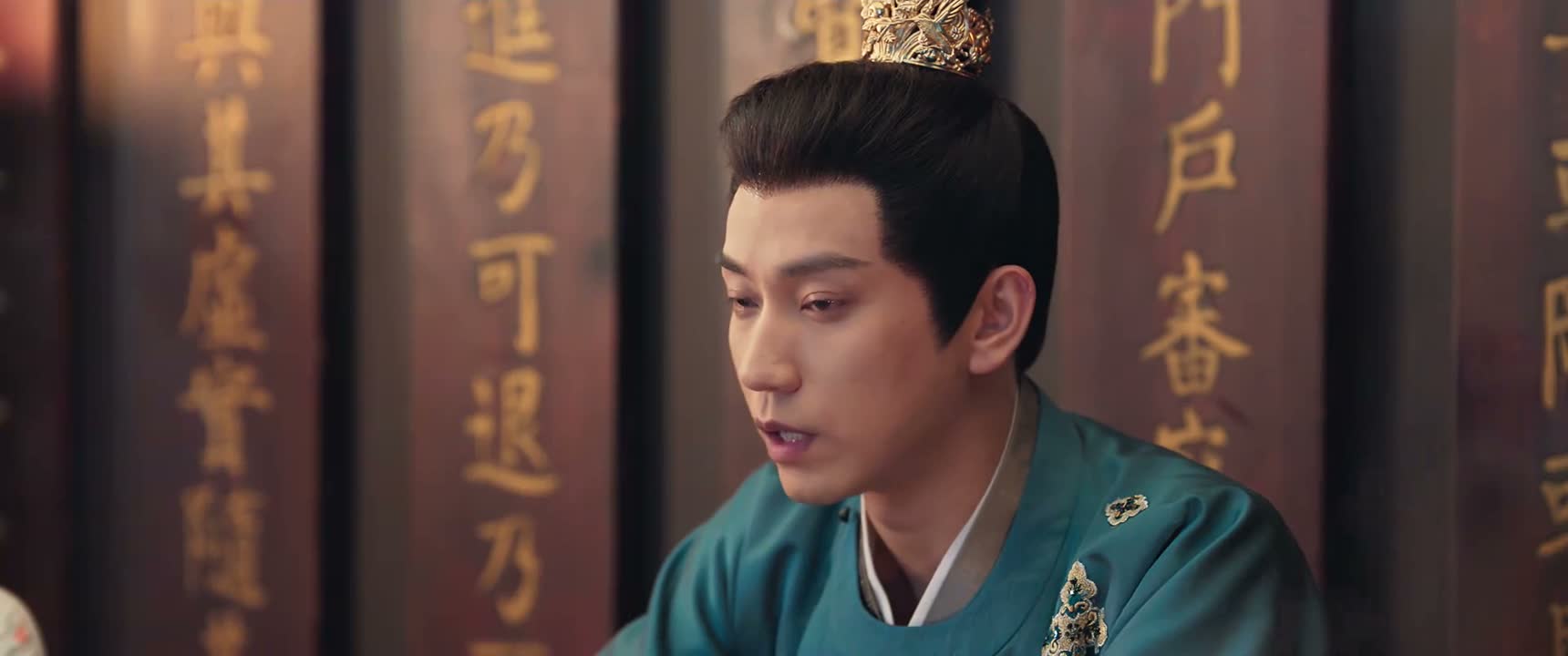
“had leverage over him.”
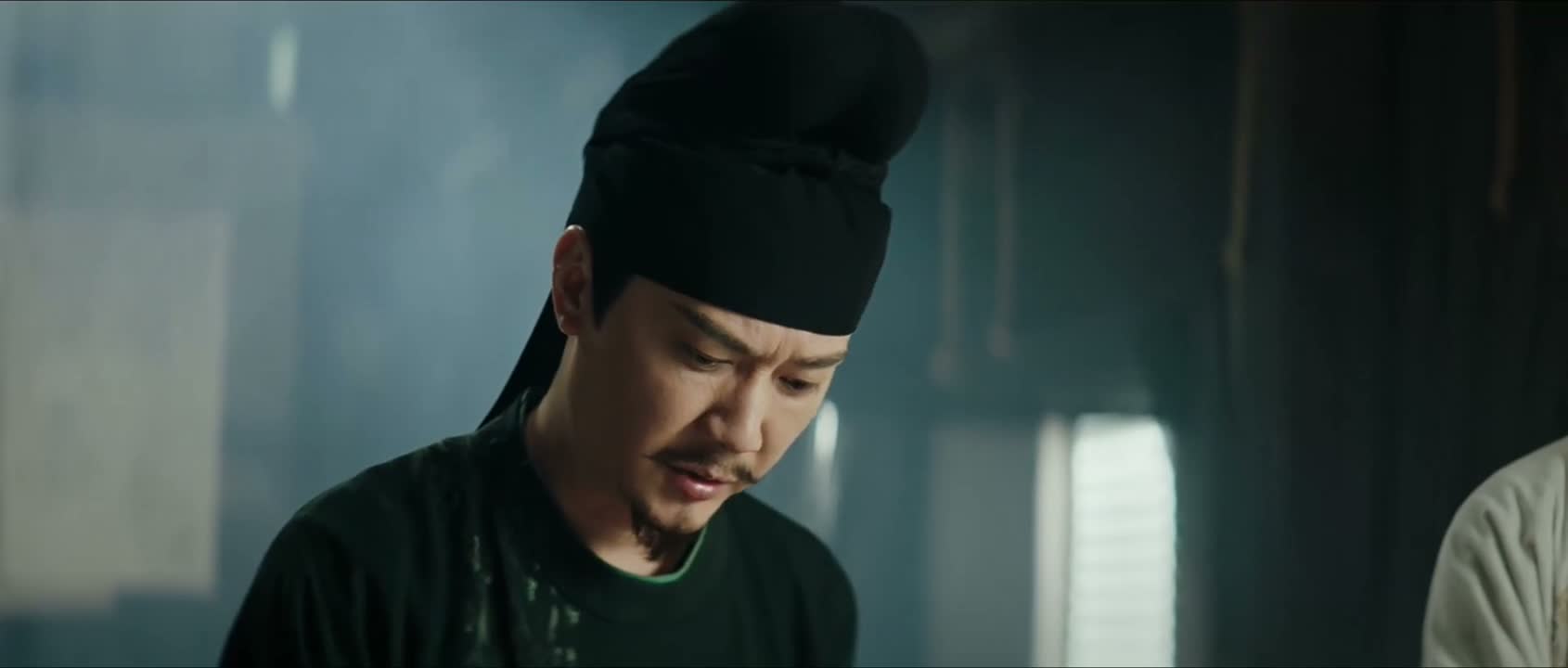
“and because his right hand was tightly clenched, it was protected from the rain,”

“be controlled by him this time.”
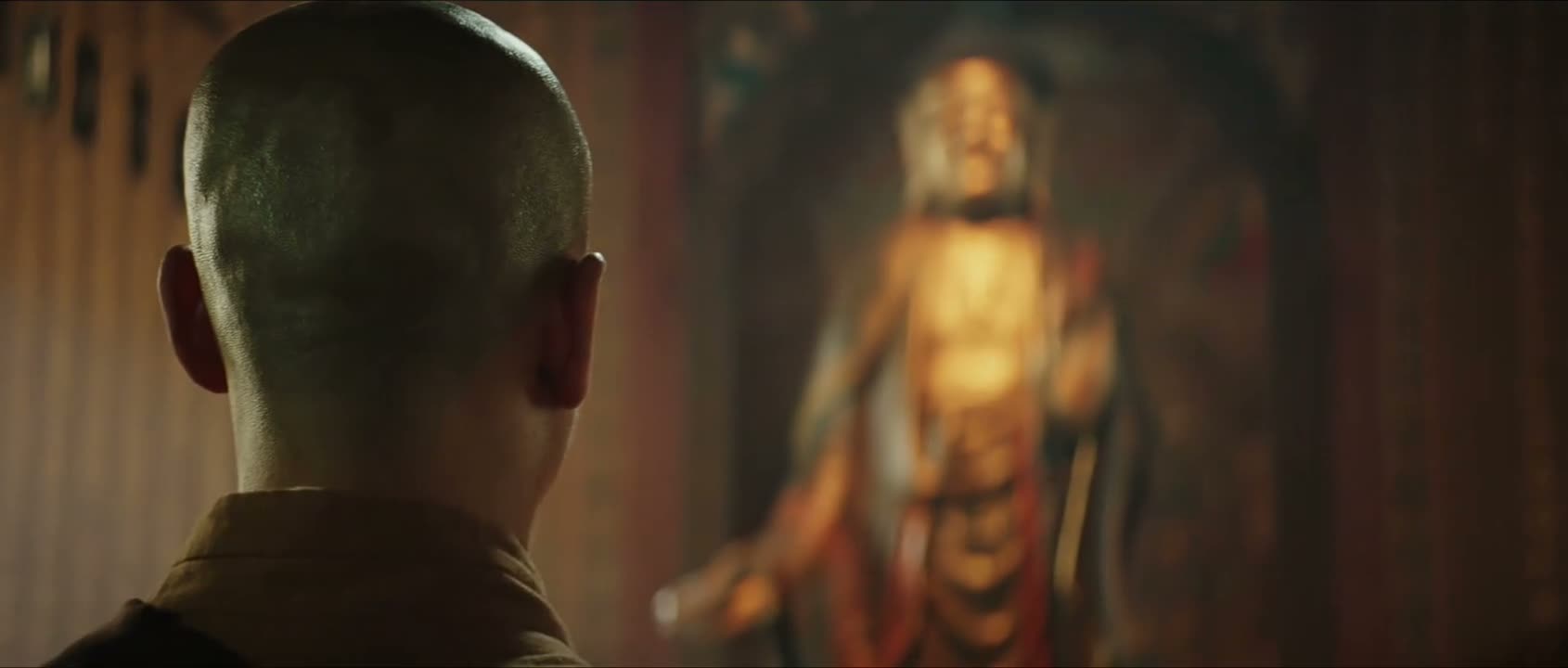
“letting a man with so much blood on his hands”
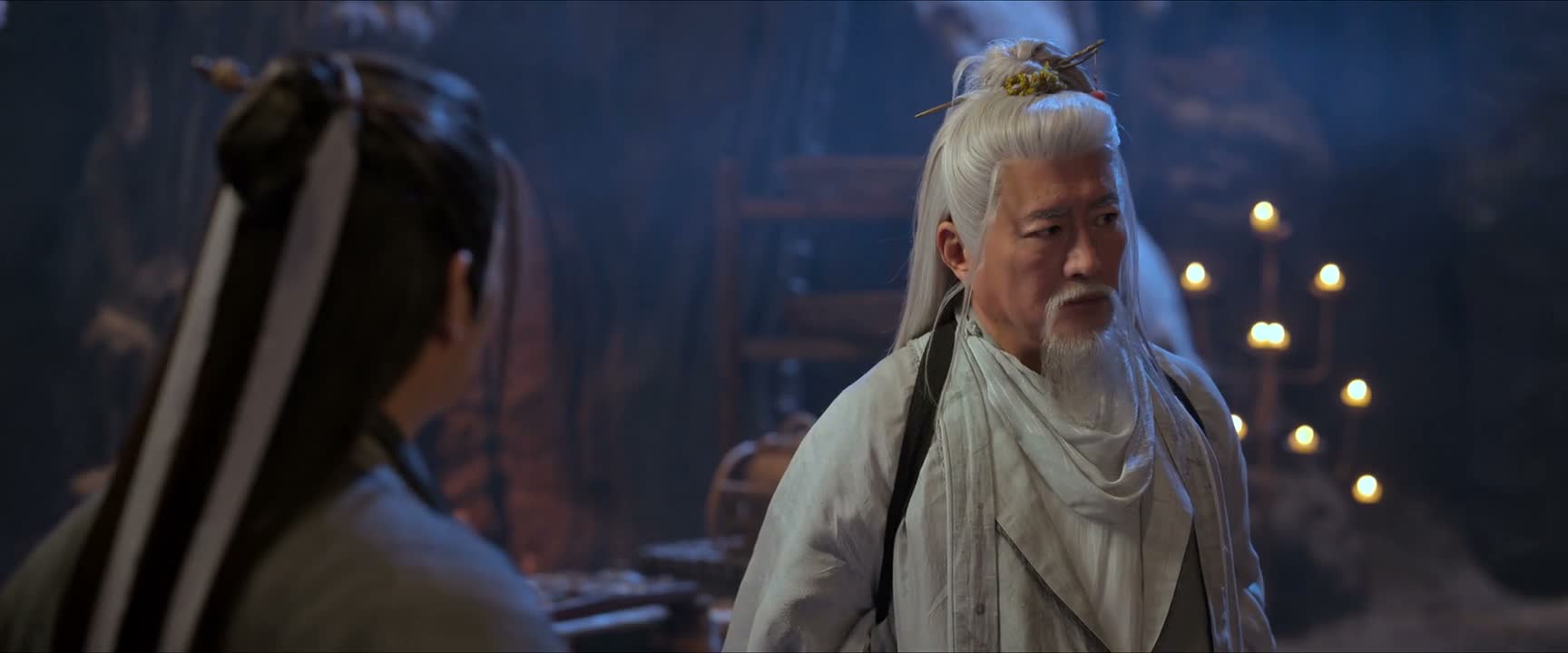
“then gag him”