MC
MandarinClips Cinema Corpus
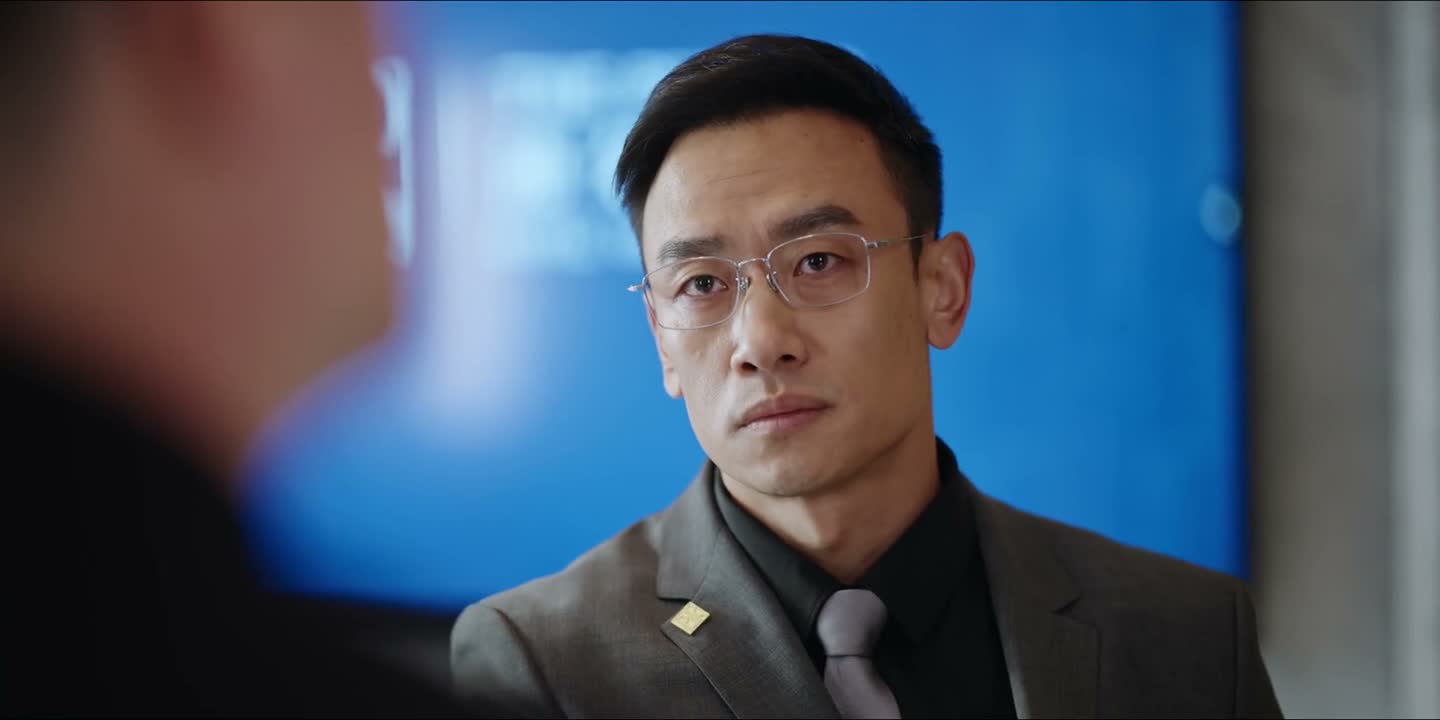
《Ashes to Crown》 S1·E11 (07:32) HSK 3
yòu qǐ néng wèi bǔ xiān zhī ?

又岂能未卜先知?

“How could I have foreseen everything?”

《Ashes to Crown》 S1·E11
TIMECODE: 07:32 · 1080P MASTER AUDIO

THE DIALOGUE REEL

1+1+1 SPOKEN CONTINUITY
[-1] PREVIOUS TURN wǒ mào xiǎn jiè dào gěi guì bù yǐ shì jié jìn suǒ néng

我冒险借道给贵部 已是竭尽所能

“I did my best to let you pass through at great personal risk.”

yòu qǐ néng wèi bǔ xiān zhī ? CURRENT FOCUS

又 岂能 未卜先知 ?

“How could I have foreseen everything?”

[+1] FOLLOW-UP TURN kuàng qiě guì jūn cán bù ruò shì sǐ zài wǒ xiāo nán jùn nèi

况且 贵军残部若是死在 我霄南郡内

“Besides, if your remaining troops died in my prefecture,”

Subtitles synced to millisecond timecode Browse Show Clips →
Scene: Historical & Court
Function: DEFLECTING BLAME
Tone: ASSERTIVE
Emotion: DEFENSIVENESS
WHAT THEY REALLY MEAN (PRAGMATIC SUBTEXT)
“Do not blame me for what went wrong; I cannot see the future.”
💡 Cultural Insight: Rhetorical Deflection in Diplomacy

In classical diplomatic rhetoric, invoking human limitations against supernatural foresight is a common tactic to shield oneself from blame while maintaining formal decorum.

INTENT TAGS: #deflection #self_defense #rebuttal #denial
🧩

LEARNING CHUNKS & PARTICLES

2 CHUNKS · 0 PARTICLES
未卜先知 SPOKEN CHUNK

to foresee; to have foreknowledge without prior signs

A classical four-character idiom frequently used in formal or semi-formal speech to argue that one could not have anticipated a problem.

又岂能 SPOKEN CHUNK

how could one possibly

A high-register rhetorical construction used to express strong denial or rebuttal.
🏮

VOCABULARY & EXPRESSIONS

2 EXPR · 0 GRAMMAR
CROSS-CINEMA CORPUS BOARD · PARALLEL SCENES

Parallel Spoken Cinema Scenes (语义近邻切片)

EXPLORE BY SEMANTIC SIMILARITY
《Ashes to Crown》 S1·E11 (07:32) · Authentic Cinema Dialogue Corpus