一拉筋鬼哭狼嚎的 我看着都心疼
“You scream when you stretch. I hate seeing that.”
THE DIALOGUE REEL
“Now that you've had the baby, your legs have gone stiff.”
一拉筋 鬼哭狼嚎 的 我看 着都 心疼
“You scream when you stretch. I hate seeing that.”
她做你的替身是好事
“Her being your double is a good thing.”
“You physically cannot handle the grueling stunts anymore, so stop torturing yourself and accept help.”
Chinese opera conditioning requires extreme flexibility trained from childhood; bodily changes after childbirth are often catastrophic for female performers, creating sensitive dilemmas around pride and physical limits.
LEARNING CHUNKS & PARTICLES
wailing and howling; crying bitterly
A vivid four-character idiom describing loud, desperate shrieking or agonizing cries, often used hyperbolically.
to feel distressed for someone; to ache for
Expresses deep emotional empathy and pain upon seeing a loved one or peer endure hardship.
Placed at the clause ending to give descriptive, vivid emphasis to the crying manner.
VOCABULARY & EXPRESSIONS
Parallel Spoken Cinema Scenes (语义近邻切片)
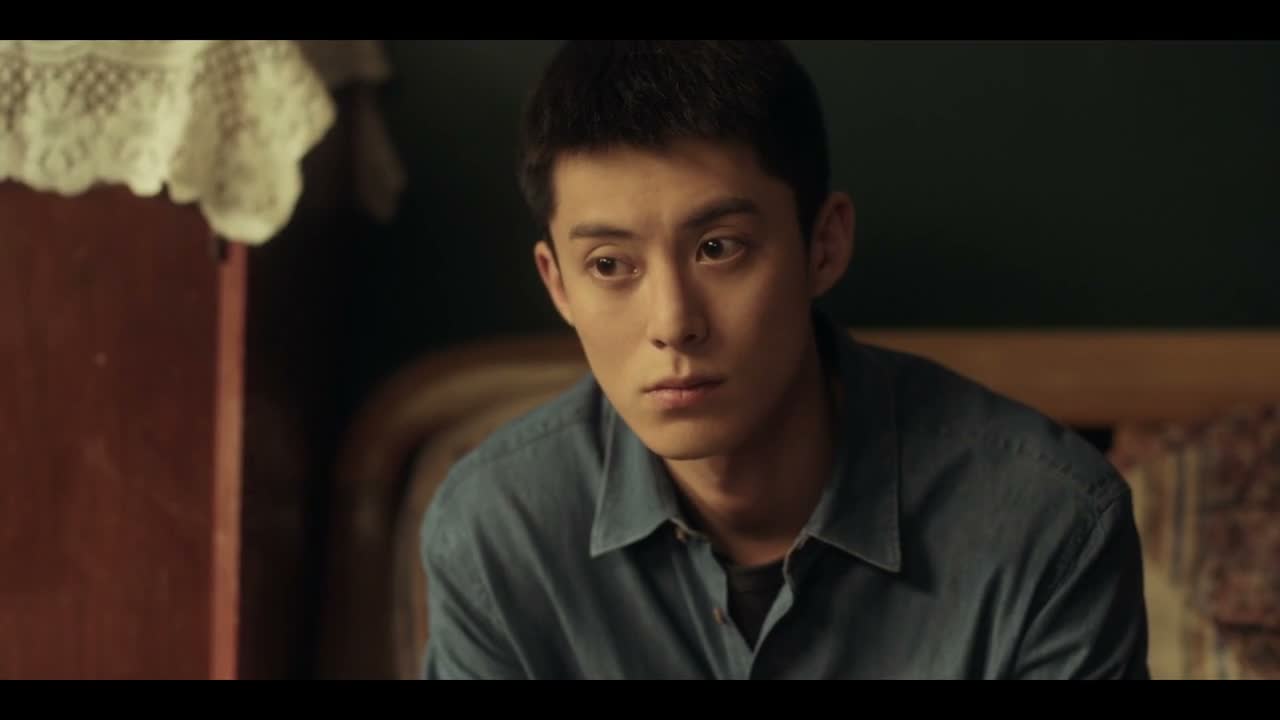
“We only hear men and women crying and shouting in the middle of the night.”
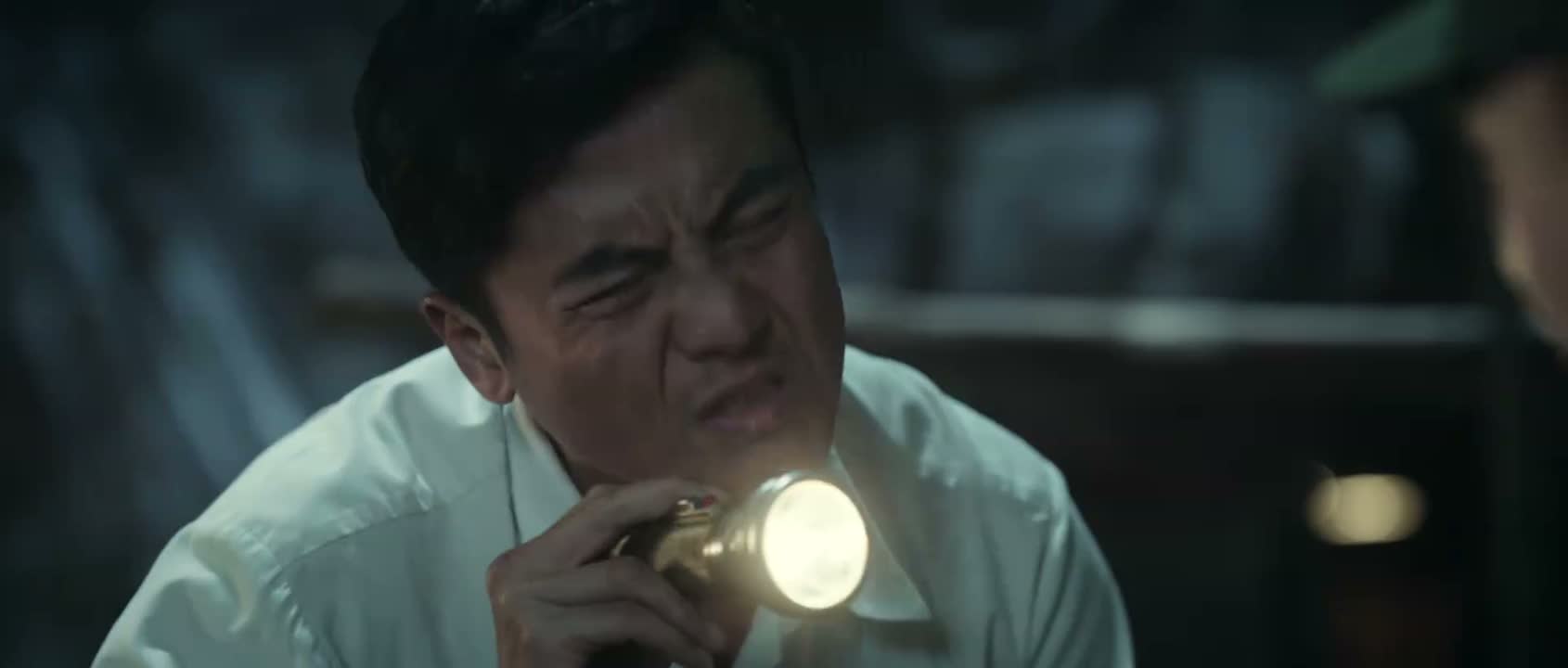
“it might get out of hand. Stay on alert.”

“If it never happens, we can't prove ourselves. But if it really happens,”

“I can howl like a wolf too. Alright. Fine.”
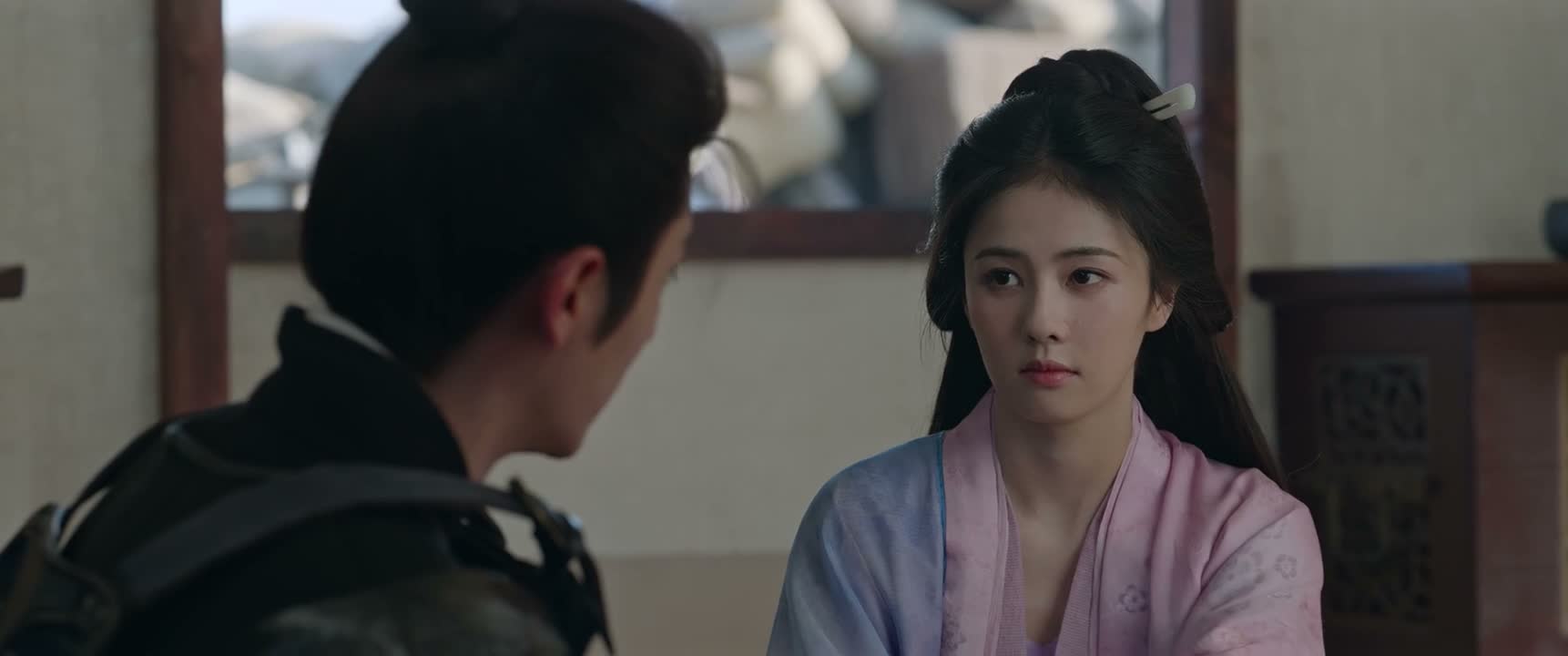
“At night, the wolves howl everywhere,”

“it's Saturday. Let us have some fun. You wish!”