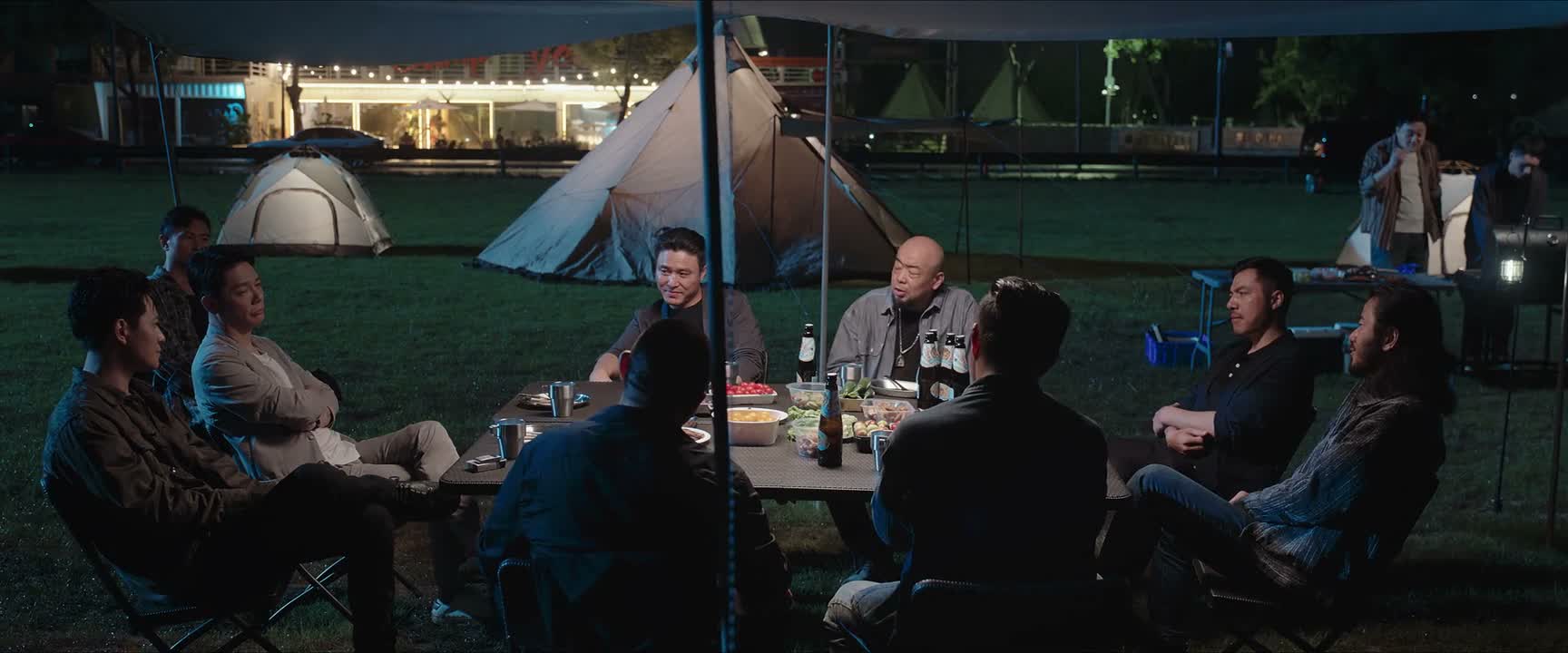
你们要是不服呢 就可以去法院起诉我
“If you don't like it, you can go to court and sue me.”
THE DIALOGUE REEL
白纸黑字 合法合规 我交了钱 就有权住满三个月
“It's in black and white. It's legal and valid. I paid, so I have the right to stay for three full months.”
你们 要是 不服 呢 就可以 去法院 起诉 我
“If you don't like it, you can go to court and sue me.”
打多久的官司我都无所谓 何叔 再商量商量吧
“How long it takes, I don't care. Uncle He, let's talk this over.”
“Go ahead and sue me if you dare; I am not intimidated by your threats.”
In Chinese dispute resolution, inviting someone to take you to court often functions as a confrontational tactic to signal fearlessness, knowing that litigation is costly and time-consuming.
LEARNING CHUNKS & PARTICLES
if you are not convinced / if you refuse to accept it
Commonly used in spoken arguments to challenge an opponent who disputes your authority or decision.
to sue / to prosecute
A standard legal term used in both formal contexts and everyday legal disputes.
Marks a conditional pause, adding a slightly provoking and dismissive cadence to the statement.