所以恐怕 不见得能帮上什么忙
“So I'm afraid he won't be able to help you.”
THE DIALOGUE REEL
而且 光明工程的 部分工作内容 也不归他管
“Besides, part of the project you mentioned is not under his charge.”
所以恐怕 不见得 能 帮上 什么 忙
“So I'm afraid he won't be able to help you.”
我最近压力确实很大
“I've been under a lot of pressure lately.”
“Don't count on him; he either cannot or will not help us.”
Chinese speakers often soften refusals or disappointing realities with adverbs like 恐怕 (I'm afraid) and 不见得 (not necessarily) to save face.
LEARNING CHUNKS & PARTICLES
not necessarily; unlikely
A polite, indirect way to express doubt or negate an expectation without sounding abrasive.
be of any real help
Commonly used in negative or tentative sentences to downplay potential assistance.
VOCABULARY & EXPRESSIONS
Parallel Spoken Cinema Scenes (语义近邻切片)

“I'm not sure I can help.”

“so I can't be of much help.”

“he might be willing to help.”

“there's not much I can do to help.”
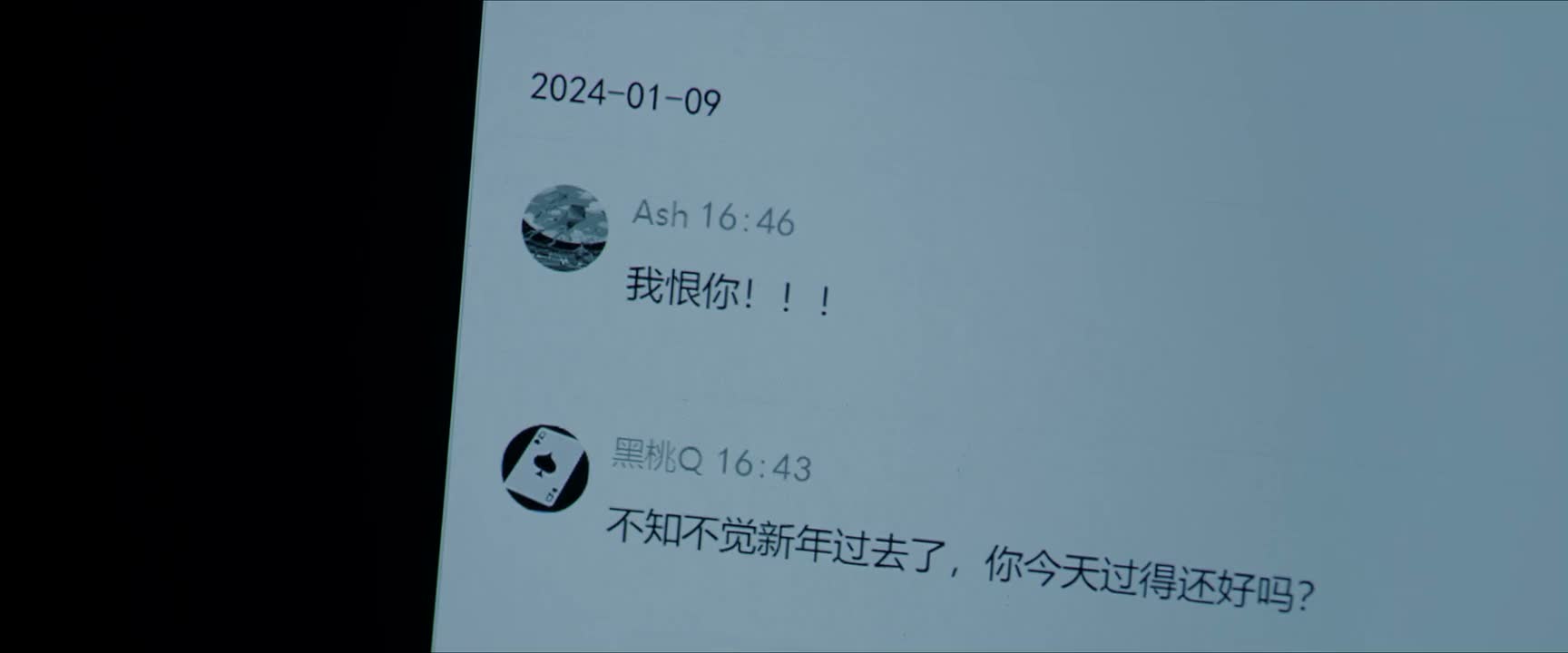
“[How was your day?] Maybe I couldn't help you,”