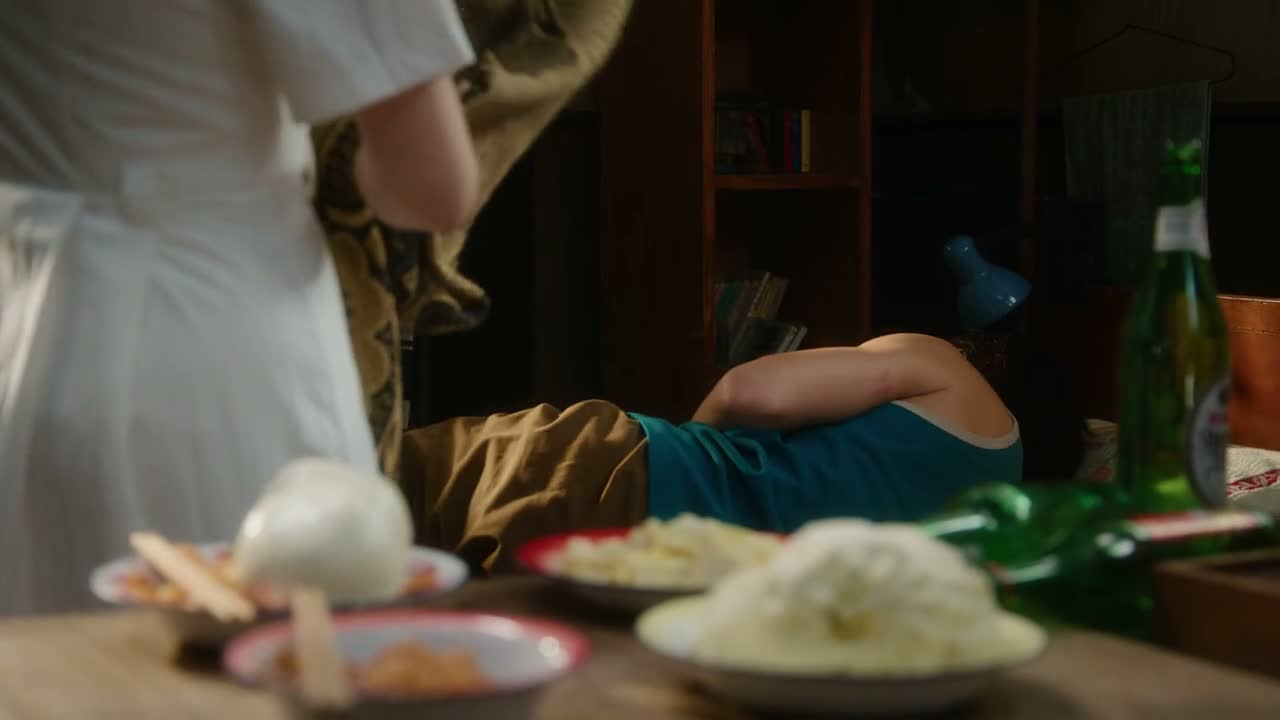
《The Lead》 S1·E36 (36:37)
HSK 4
shū wǒ chī bù xià bù guǎn wǒ le
叔 我吃不下 不管我了
“I can't eat. Leave me be.”
《The Lead》
S1·E36
TIMECODE: 36:37
·
1080P MASTER AUDIO
THE DIALOGUE REEL
[-1] PREVIOUS TURN
duì duì duì gǎn jǐn chū lái chī fàn le
对对对 赶紧出来吃饭了
“Alright, come eat already.”
shū wǒ chī bù xià bù guǎn wǒ le
CURRENT FOCUS
叔 我 吃不下 不管 我了
“I can't eat. Leave me be.”
[+1] FOLLOW-UP TURN
nǐ lì dào zhè ér bù chī fàn ràng rén jiā dōu zǎ chī fàn ma
“If you won't eat, how can anyone else eat?”
Subtitles synced to millisecond timecode
Browse Show Clips →
Scene:
Family & Home
Function:
REFUSING HOSPITALITY
Tone:
PLEADING
Emotion:
DISTRESS
WHAT THEY REALLY MEAN (PRAGMATIC SUBTEXT)
“I'm feeling down and don't want to participate; please just leave me alone.”
💡 Cultural Insight: Communal Dining and Filial Obligation
In Chinese culture, refusing to join the collective family meal is a clear sign of deep emotional distress, as eating together is a primary ritual of harmony.
INTENT TAGS:
#withdrawal
#refusal
#avoidance
#suppression
🧩
2 CHUNKS · 1 PARTICLES
LEARNING CHUNKS & PARTICLES
吃不下
SPOKEN CHUNK
unable to eat / having no appetite
Common potential complement expressing an inability to swallow food, often due to emotional upset or illness.
不管我了
SPOKEN CHUNK
don't bother about me / leave me be
Used colloquially in family contexts to request privacy or tell elders not to fuss over oneself.
Modal Particle「了」 (le)
CHANGE OF STATE
Marks the cessation of an ongoing action, meaning 'stop worrying from now on'.
🏮
2 EXPR · 0 GRAMMAR
VOCABULARY & EXPRESSIONS
COLLOQUIAL EXPRESSIONS:
CROSS-CINEMA CORPUS BOARD · PARALLEL SCENES
EXPLORE BY SEMANTIC SIMILARITY
Parallel Spoken Cinema Scenes (语义近邻切片)
《The Lead》 S1·E36 (36:37) · Authentic Cinema Dialogue Corpus