你对的 你什么都是对的 你怎么可能错呢
“You're right. You're always right. How could you ever be wrong?”
THE DIALOGUE REEL
“No. Absolutely not. How could I think you're wrong?”
你对的 你 什么都是对的 你 怎么可能 错呢
“You're right. You're always right. How could you ever be wrong?”
干杯
“Cheers.”
“You are impossibly stubborn and never acknowledge when you are in the wrong.”
Instead of arguing directly, Chinese speakers often employ total, exaggerated surrender to highlight the unreasonable ego of the counterpart.
LEARNING CHUNKS & PARTICLES
how could it be possible / no way
Frequently used in rhetorical questions to emphasize impossibility or sarcasm.
you are right about everything
A classic biting idiom/phrase used in arguments to accuse someone of arrogance.
Enhances the rhetorical and sarcastic edge of the question 'how could you be wrong'.
VOCABULARY & EXPRESSIONS
Parallel Spoken Cinema Scenes (语义近邻切片)

“That's exactly the problem. You're always right. Completely right.”
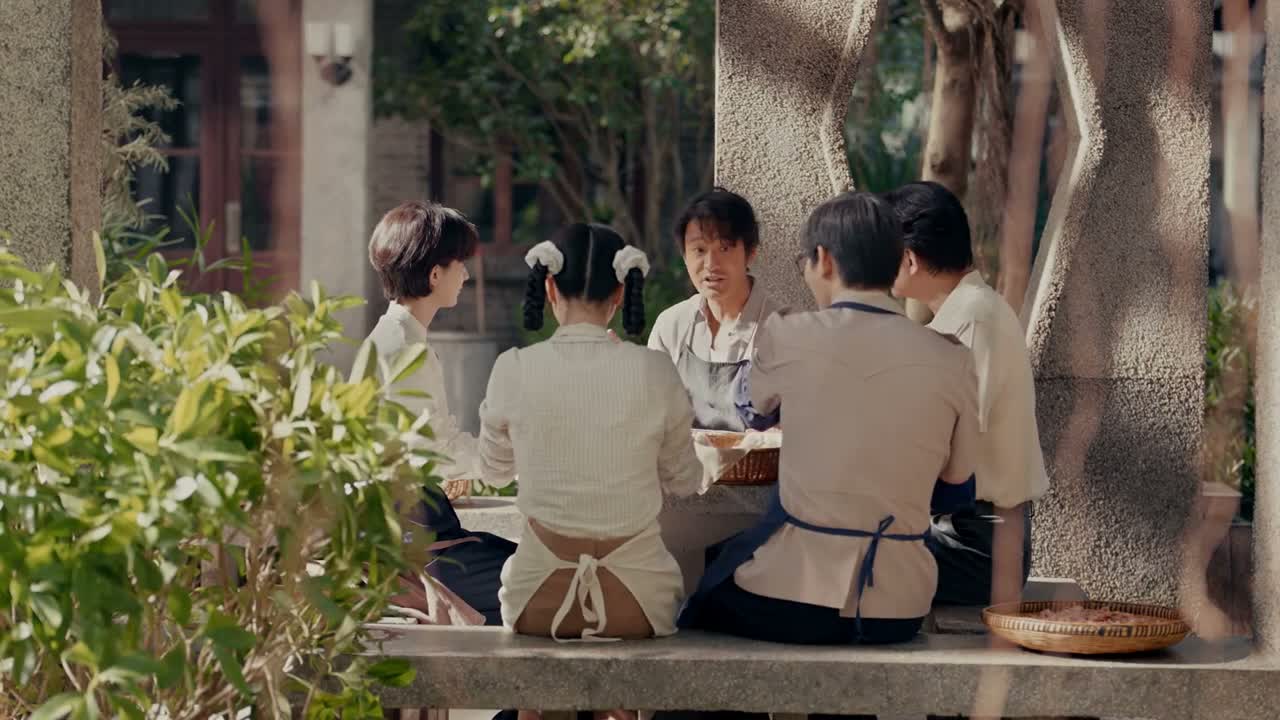
“that you are right, while the rest of us are wrong.”