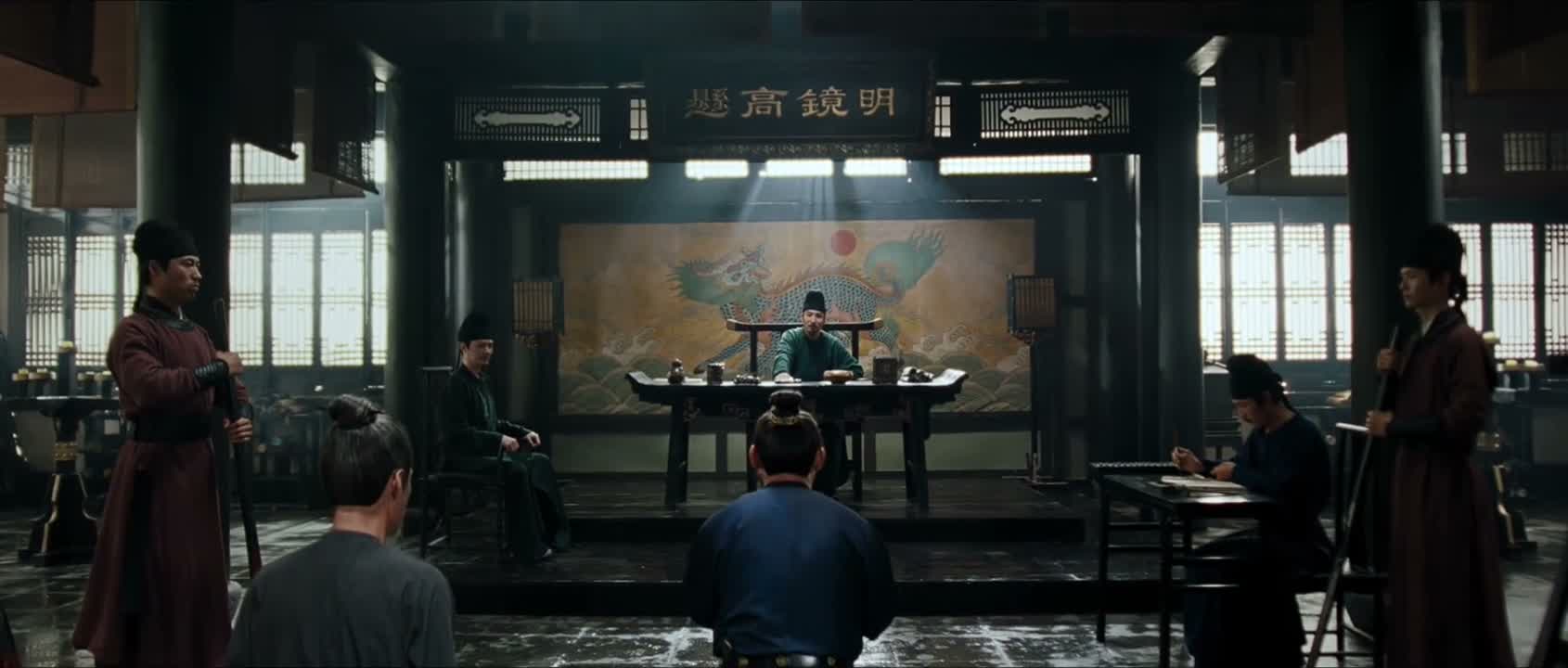
草民本也不想如此张扬
“I didn't want to be so ostentatious.”
THE DIALOGUE REEL
言大人
“Lord Yan.”
草民本 也不 想 如此张扬
“I didn't want to be so ostentatious.”
实乃家父托人将这百宝墨 送入京中
“But my father asked someone to send this Baibao Ink to the capital”
“Please don't punish me for drawing attention; I had no choice in this matter.”
In imperial China, drawing excessive attention could invite suspicion from authorities, making it essential for commoners to emphasize their modesty and lack of political ambition.
LEARNING CHUNKS & PARTICLES
this humble commoner (self-deprecating pronoun used by ordinary people before officials)
Commonly encountered in historical dramas when commoners speak to imperial officials.
ostentatious; flamboyant; drawing attention to oneself
Often used negatively in Chinese culture to describe behavior that violates modesty or attracts undue scrutiny.
VOCABULARY & EXPRESSIONS
Parallel Spoken Cinema Scenes (语义近邻切片)

“I knew I had failed in my oversight and was extremely ashamed.”

“I will have no complaints!”

“and I was deeply grieved. So I rushed here to stop him,”

“This commoner lost his father at a young age.”
“You must help me, Official Di.”
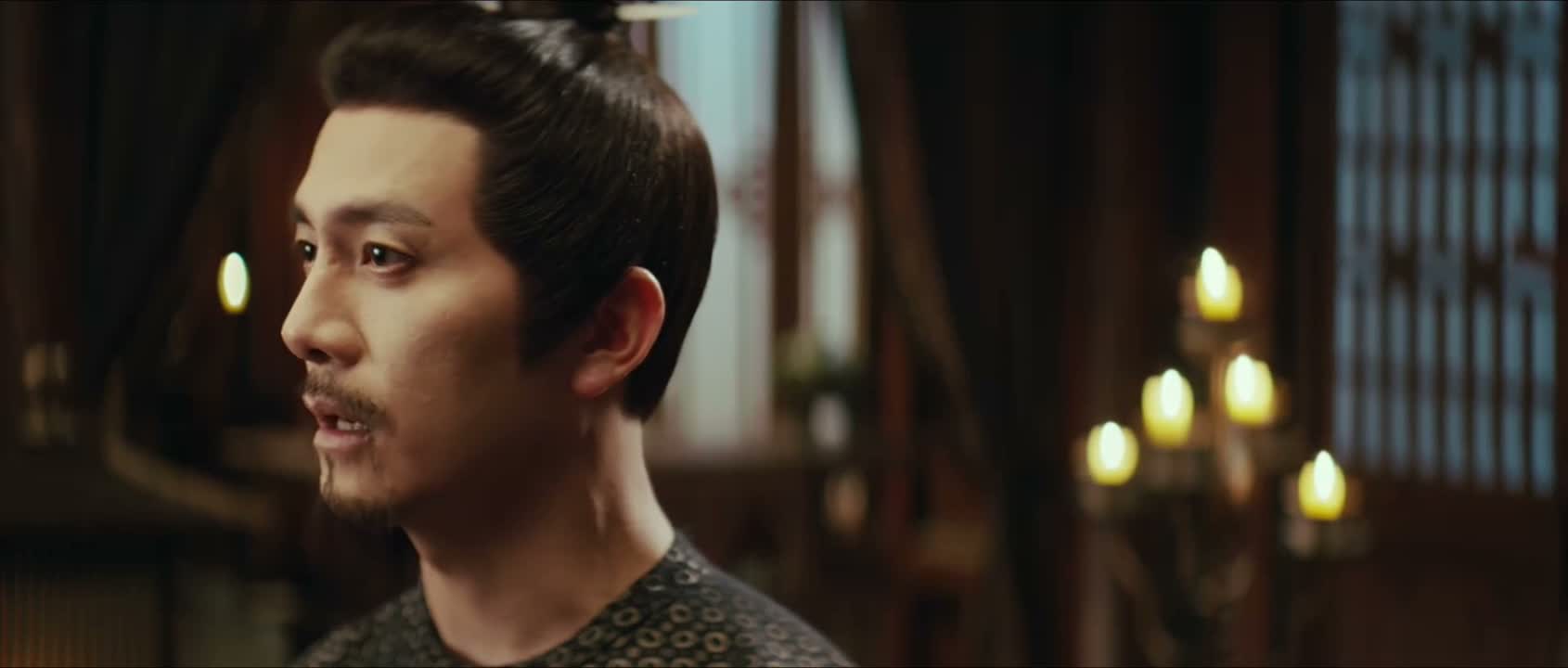
“that you are suspecting me, sir.”