《The Imperial Coroner》 S2·E22 (21:08)
HSK 7
nǐ yī wèi bǎ guò cuò wǎng zì jǐ shēn shàng lǎn
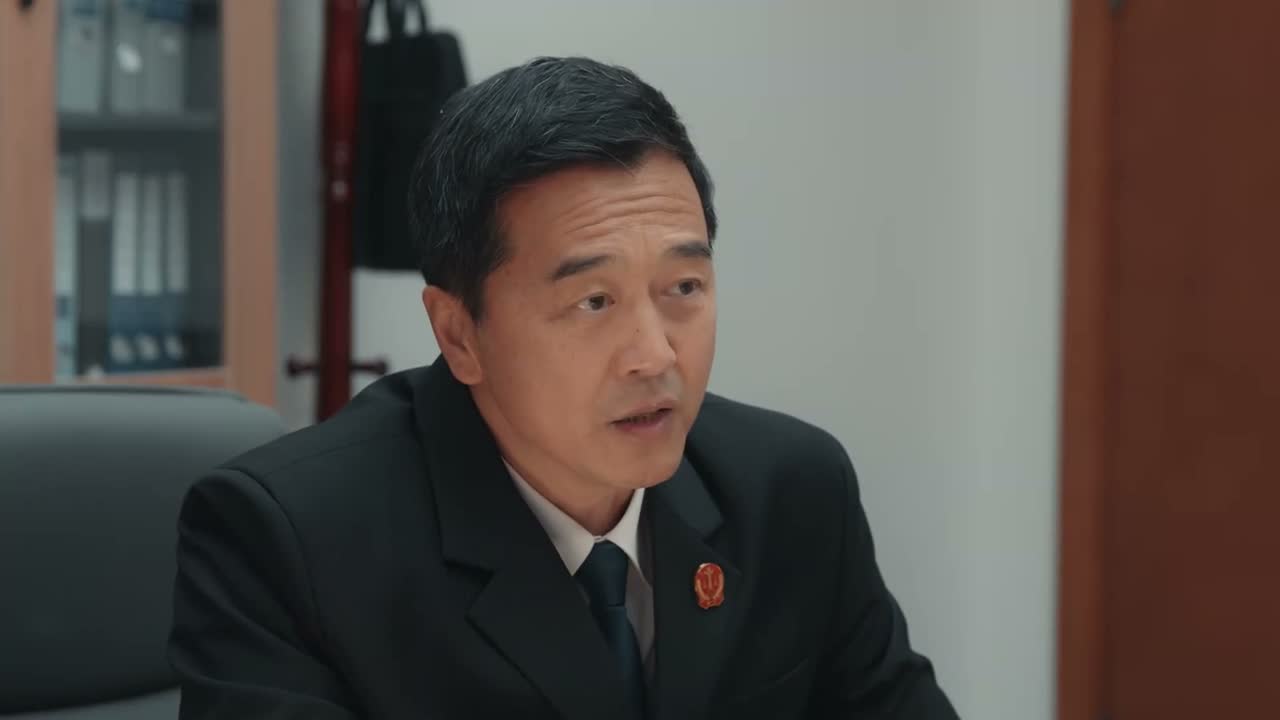
你一味把过错往自己身上揽
“You keep taking all the blame upon yourself”
《The Imperial Coroner》
S2·E22
TIMECODE: 21:08
·
1080P MASTER AUDIO
THE DIALOGUE REEL
[-1] PREVIOUS TURN
táng jiě
堂姐
“Cousin.”
nǐ yī wèi bǎ guò cuò wǎng zì jǐ shēn shàng lǎn
CURRENT FOCUS
你 一味把过错往自己身上揽
“You keep taking all the blame upon yourself”
[+1] FOLLOW-UP TURN
wú fēi
无非
“only because”
Subtitles synced to millisecond timecode
Browse Show Clips →
Scene:
Family & Home
Function:
CALLING OUT BEHAVIOR
Tone:
CRITICAL
Emotion:
CONCERN
WHAT THEY REALLY MEAN (PRAGMATIC SUBTEXT)
“Stop being a martyr; taking the fall won't solve the real problem.”
💡 Cultural Insight: Martyr Complex and Family Sacrifice
Older siblings or elder cousins in Chinese families often feel compelled to protect younger relatives by shouldering faults, which can lead to excessive self-blame.
INTENT TAGS:
#intervention
#dissuasion
#criticism
#uncovering_motive
🧩
2 CHUNKS · 0 PARTICLES
LEARNING CHUNKS & PARTICLES
往自己身上揽
SPOKEN CHUNK
take onto oneself; shoulder (blame or responsibility)
Frequently used with words like 'guocuo' (mistakes) or 'zeren' (responsibility) to describe taking unnecessary blame.
一味
SPOKEN CHUNK
blindly; persistently (often with negative outcome)
An adverb modifying an action done obstinately without considering circumstances.
🏮
1 EXPR · 3 GRAMMAR
VOCABULARY & EXPRESSIONS
COLLOQUIAL EXPRESSIONS:
GRAMMAR BLUEPRINTS:
CROSS-CINEMA CORPUS BOARD · PARALLEL SCENES
EXPLORE BY SEMANTIC SIMILARITY
Parallel Spoken Cinema Scenes (语义近邻切片)

《The Imperial Coroner》 S2·E22 (21:08) · Authentic Cinema Dialogue Corpus