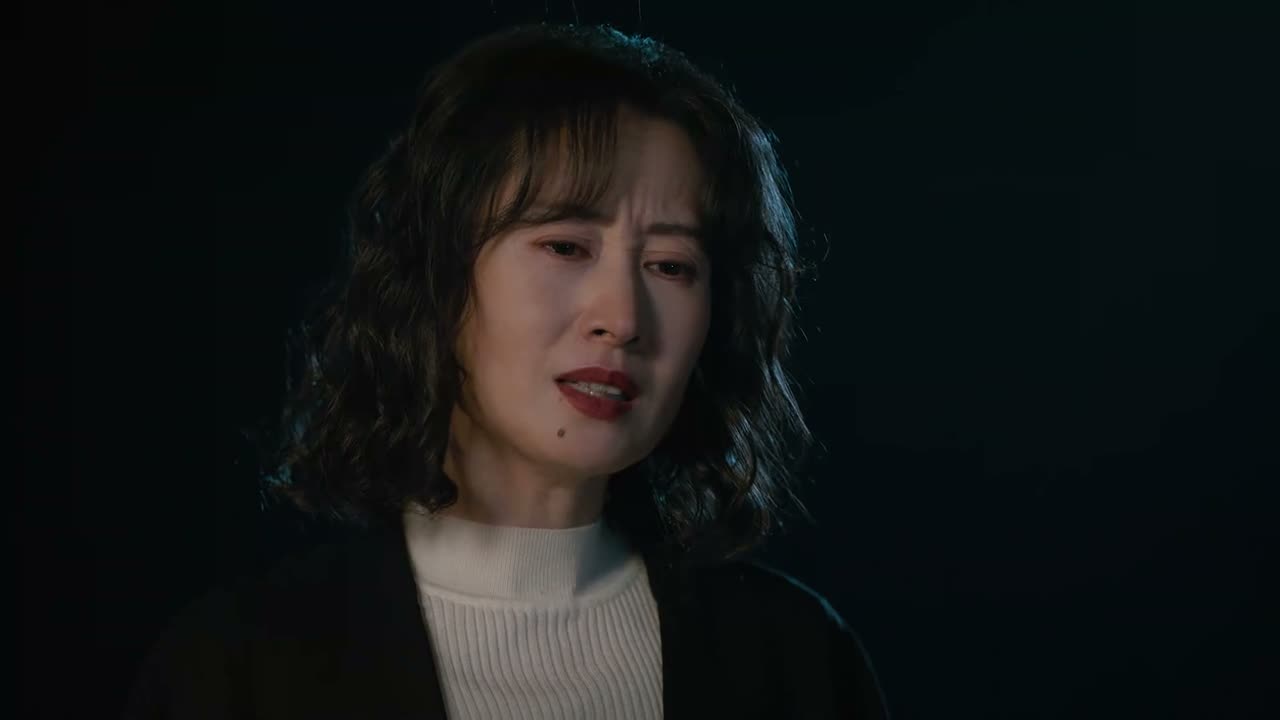
那你心里怎么想的我能不知道吗
“Do you think I don't know what's going on in your head?”
THE DIALOGUE REEL
“Why do you always talk about backing down?”
那你 心里怎么想的 我能不知道吗
“Do you think I don't know what's going on in your head?”
你这心里肯定惦记着 咱还有四百五十克致幻剂
“You must be worrying about the fact that we still have 450 grams of hallucinogen”
“Stop pretending to quit; I see right through your greed.”
Calling out someone for saying one thing while planning another is a critical confrontational tactic in illicit partnerships to reassert dominance.
LEARNING CHUNKS & PARTICLES
what one is really thinking inside
A common phrase referring to someone's private intentions, hidden feelings, or concealed agenda.
How could I not know? / Of course I know.
A standard rhetorical question pattern ('能...吗') used to strongly emphasize that the speaker knows the truth.
Closes the rhetorical question to firmly drive home the obviousness of the assertion.
VOCABULARY & EXPRESSIONS
Parallel Spoken Cinema Scenes (语义近邻切片)

“But I know what you think deep down in your heart!”
“Do you think I don't know what's on your mind?”

“Honestly, I really don't know how to rule on it.”

“I don't know why she”

“But I know what they're thinking.”