你以为我不知道你怎么想的
“Do you think I don't know what's on your mind?”
THE DIALOGUE REEL
你试图接近她
“You tried to get close to her.”
你以为我不知道 你怎么想的
“Do you think I don't know what's on your mind?”
你心里知道
“You know”
“Your little schemes are completely transparent to me.”
Using a rhetorical negative question to unmask someone's hidden thoughts is a direct, face-threatening confrontation technique in Chinese interpersonal disputes.
LEARNING CHUNKS & PARTICLES
you think (wrongly); do you honestly believe
Commonly used in spoken Chinese to introduce and immediately discredit the listener's false assumption.
VOCABULARY & EXPRESSIONS
Parallel Spoken Cinema Scenes (语义近邻切片)

“Do you think I don't know what it is you've hidden?”

“Do I not know he's doing this for you? I've already confessed. I don't need him to cover for me.”

“Do you think I don't know what's going on in your head?”
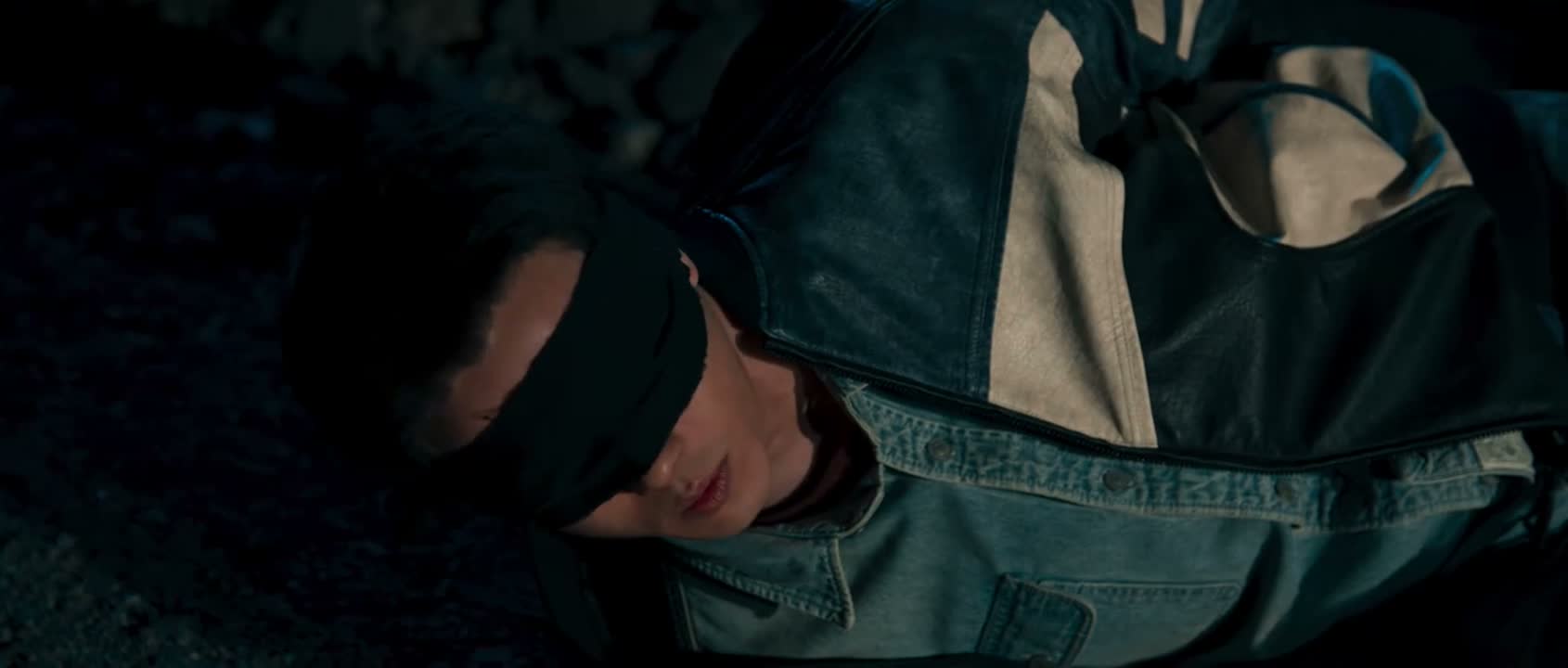
“I don't know what you're talking about.”

“What are you talking about?”

“What are you thinking?”

“I don't know how you feel, but for me, people need to look forward”

“Don't think I don't know what you're up to.”

“I don't know what you're talking about.”

“So I think I know you well.”

“I don't know why she”

“You think I don't know? Some haven't moved yet.”
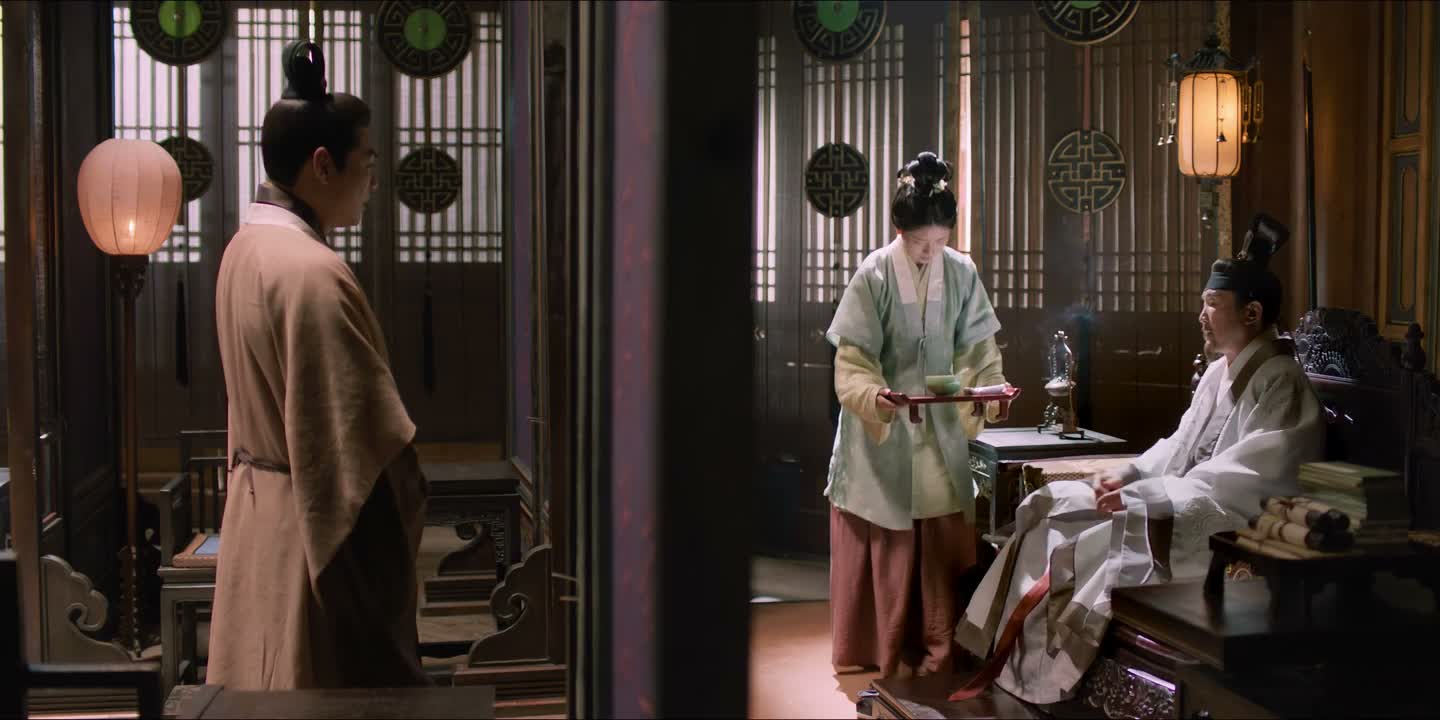
“You think I don't know? You deliberately”

“Don't think I don't know what you want.”

“Do you think I don't know it?”

“I didn't know you still thought like that.”