怪我脾气太大
“for my bad temper.”
THE DIALOGUE REEL
你怪我
“You blame me”
怪我 脾气太大
“for my bad temper.”
吃了那么大的亏 还是那么大
“Having suffered such a big loss, my temper is still that bad.”
“Do not take it personally; it is my own bad temper that ruined things.”
Blaming one's own temper is a frequent social strategy in Chinese to defuse interpersonal conflict without pointing fingers at others.
LEARNING CHUNKS & PARTICLES
blame me; it is my fault
A common colloquial phrase used to take responsibility or admit fault in casual conversations.
temper is too bad / stubborn
Used when describing someone's short temper or difficult personality.
VOCABULARY & EXPRESSIONS
Parallel Spoken Cinema Scenes (语义近邻切片)

“I was way too hasty—”

“My fault for not correcting him sooner.”

“It was my fault— I just wanted to hurry a bit.”
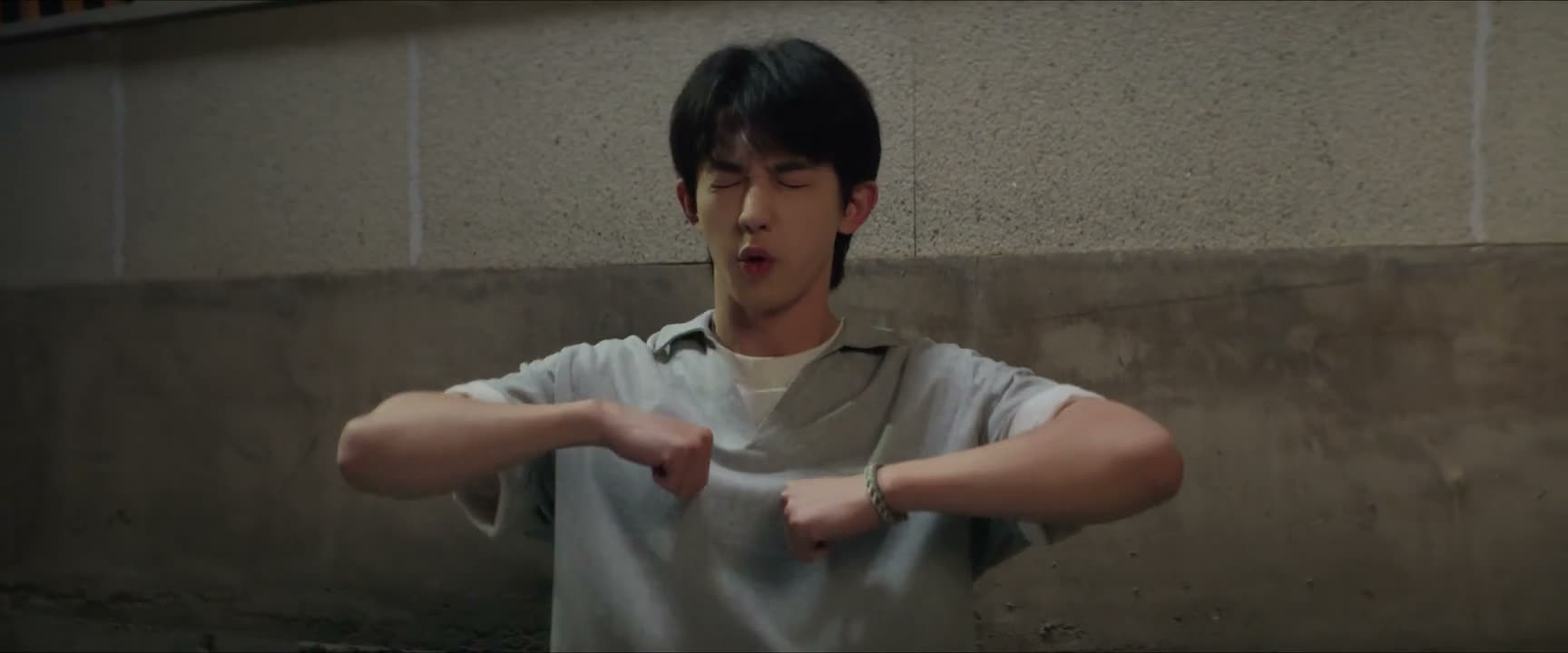
“Anger feeds the devil.”

“It's my fault.”

“Fine. It's my fault. Come on.”