怪我 是怪我
“It's my fault.”
THE DIALOGUE REEL
太爷 太太
“Master, Madam.”
怪我 是 怪我
“It's my fault.”
我没出息
“I'm useless.”
Direct spoken expression in this communicative setting.
Expressing deep unworthiness ('I am useless') before family elders is a cultural strategy of total deference intended to elicit pity and forgiveness rather than punishment.
LEARNING CHUNKS & PARTICLES
blame me; it is my fault
A very common spoken formula used to swiftly claim responsibility and defuse tension.
worthless; good-for-nothing; having no prospects
A harsh, self-deprecating expression commonly uttered when admitting failure to live up to expectations.
VOCABULARY & EXPRESSIONS
Parallel Spoken Cinema Scenes (语义近邻切片)

“It was my fault— I just wanted to hurry a bit.”

“Fine. It's my fault. Come on.”

“My fault for not correcting him sooner.”
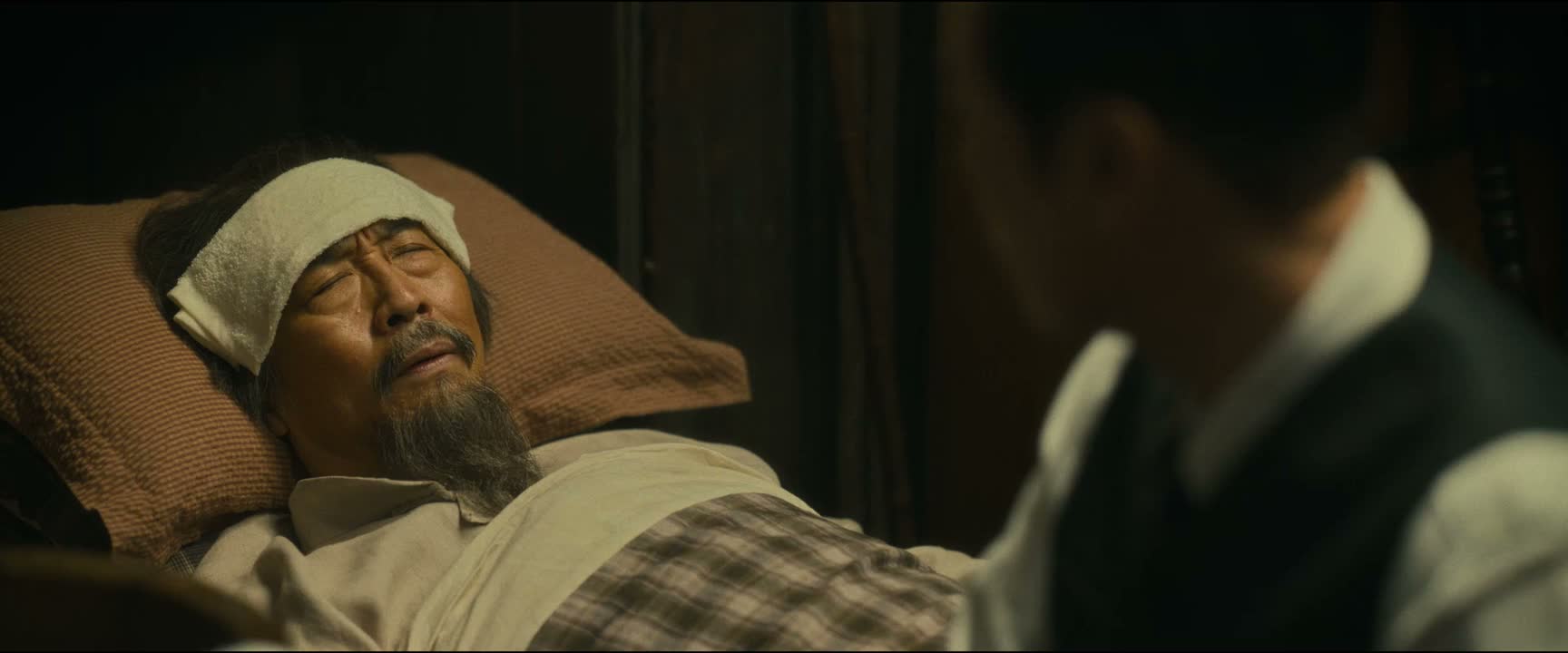
“for my bad temper.”

“Blame me for not telling you sooner.”
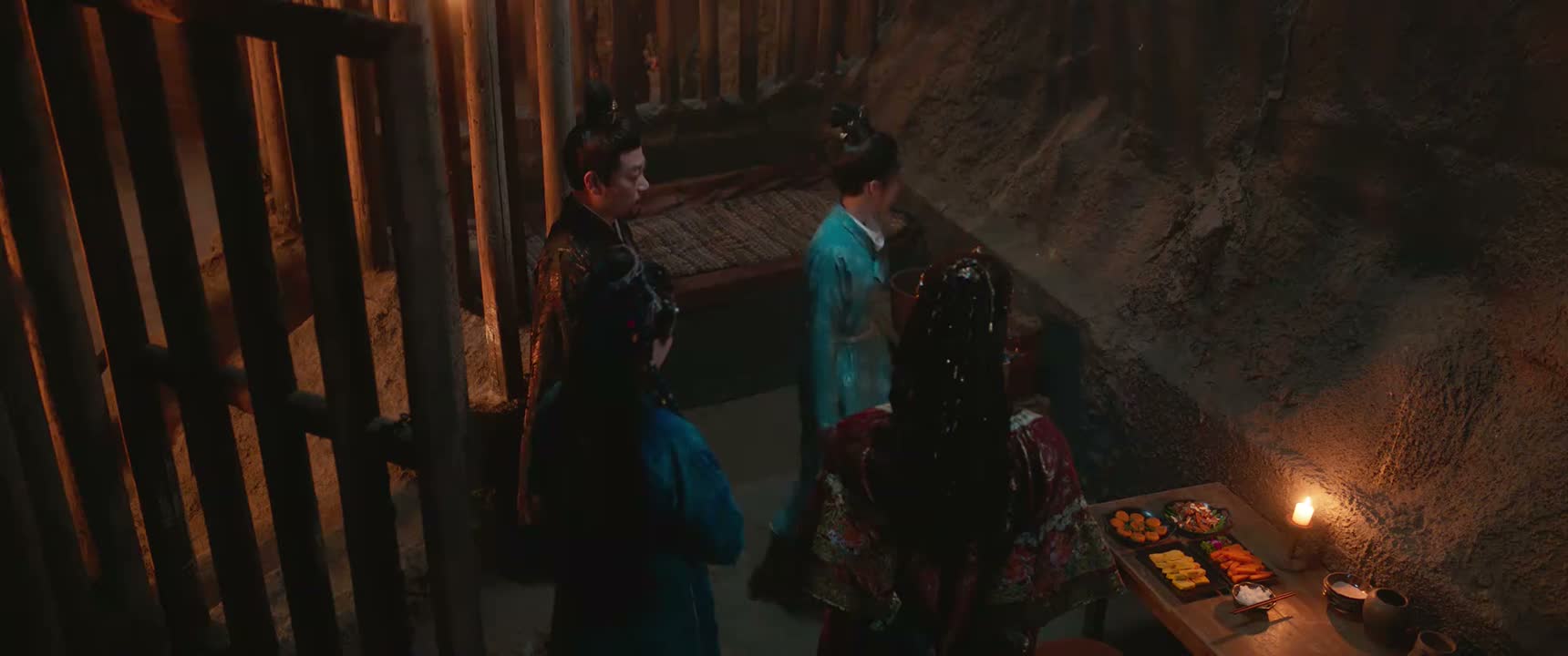
“It's my fault for saving you.”