行 那我有事先走了
“Okay, I have to go now.”
THE DIALOGUE REEL
容我想想
“Let me think about it.”
行 那我 有事先走了
“Okay, I have to go now.”
“Don't go yet. Wait a moment. The coffee will be ready soon.”
“Since you won't give me a straight answer, I am not going to waste my time waiting around.”
Stating 'I have things to do' is an indispensable face-saving convention in Chinese culture that allows someone to exit without forcing anyone into explicit rejection.
LEARNING CHUNKS & PARTICLES
I have things to attend to so I'll leave first
The standard, universally polite formula in Chinese to excuse yourself from a social or business gathering.
alright; fine
A brief marker signaling acceptance of an outcome, often closing a negotiation or conversation topic.
Marks the imminent change of state and completion of the conversation as the speaker departs.
VOCABULARY & EXPRESSIONS
Parallel Spoken Cinema Scenes (语义近邻切片)
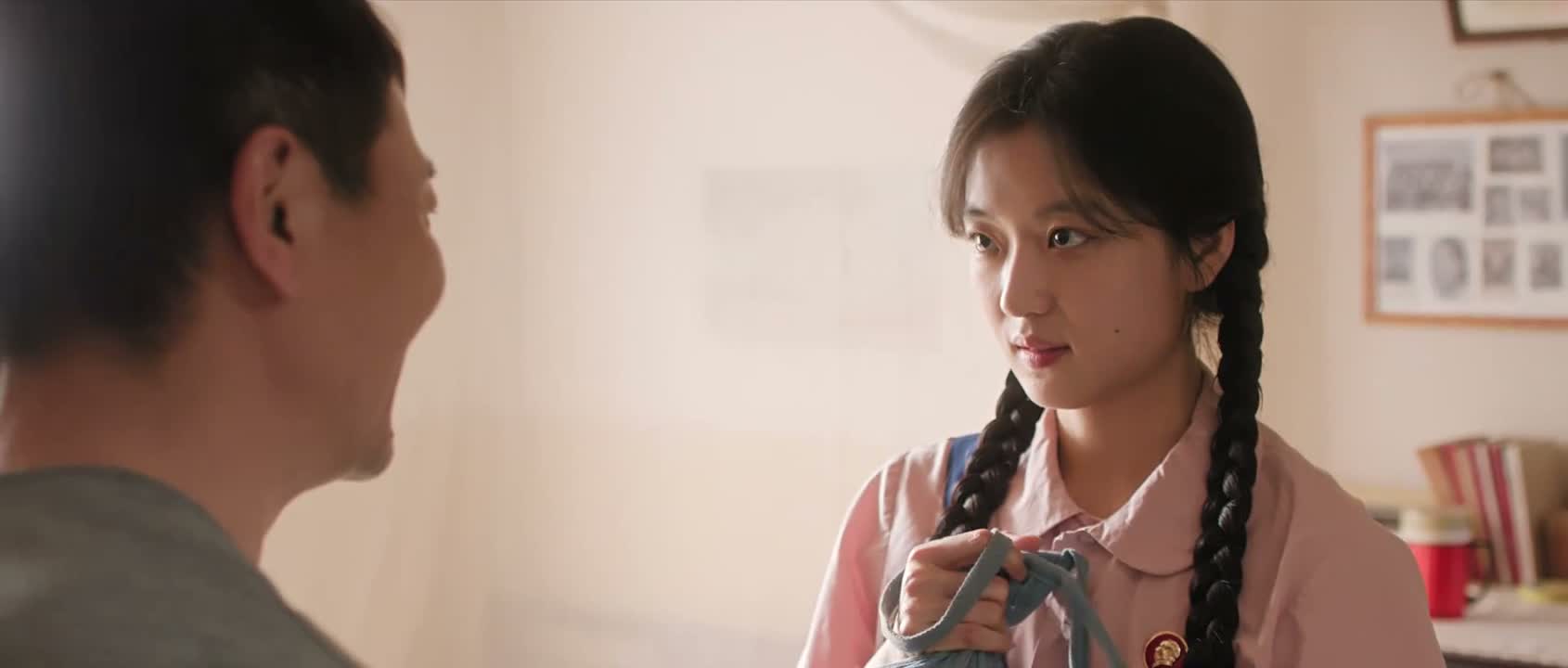
“Alright. I'll be going now.”

“Okay, then I'll be going.”

“Fine. I'll leave them to you. I have work to do.”
“Here. I'll head off first.”