这怎么能叫作骗呢
“How can you call that a scam?”
THE DIALOGUE REEL
在我们国家可是犯罪行为 你知道吗
“a marriage scam for financial gain is a crime in our country, you know?”
这 怎么能叫作骗 呢
“How can you call that a scam?”
我这些姐妹们 可是按照法律要求
“We followed the legal requirements”
“Do not dare accuse me of fraud; what we did is completely above board.”
When confronted with accusations of unethical behavior, speakers often employ rhetorical counters to preserve moral standing and avoid legal or social guilt.
LEARNING CHUNKS & PARTICLES
how can it be considered / how can one call it
A rhetorical framing pattern used to reject a negative label or characterization of an action.
Softens the rhetorical question into an indignant protest while demanding justification from the interlocutor.
VOCABULARY & EXPRESSIONS
Parallel Spoken Cinema Scenes (语义近邻切片)
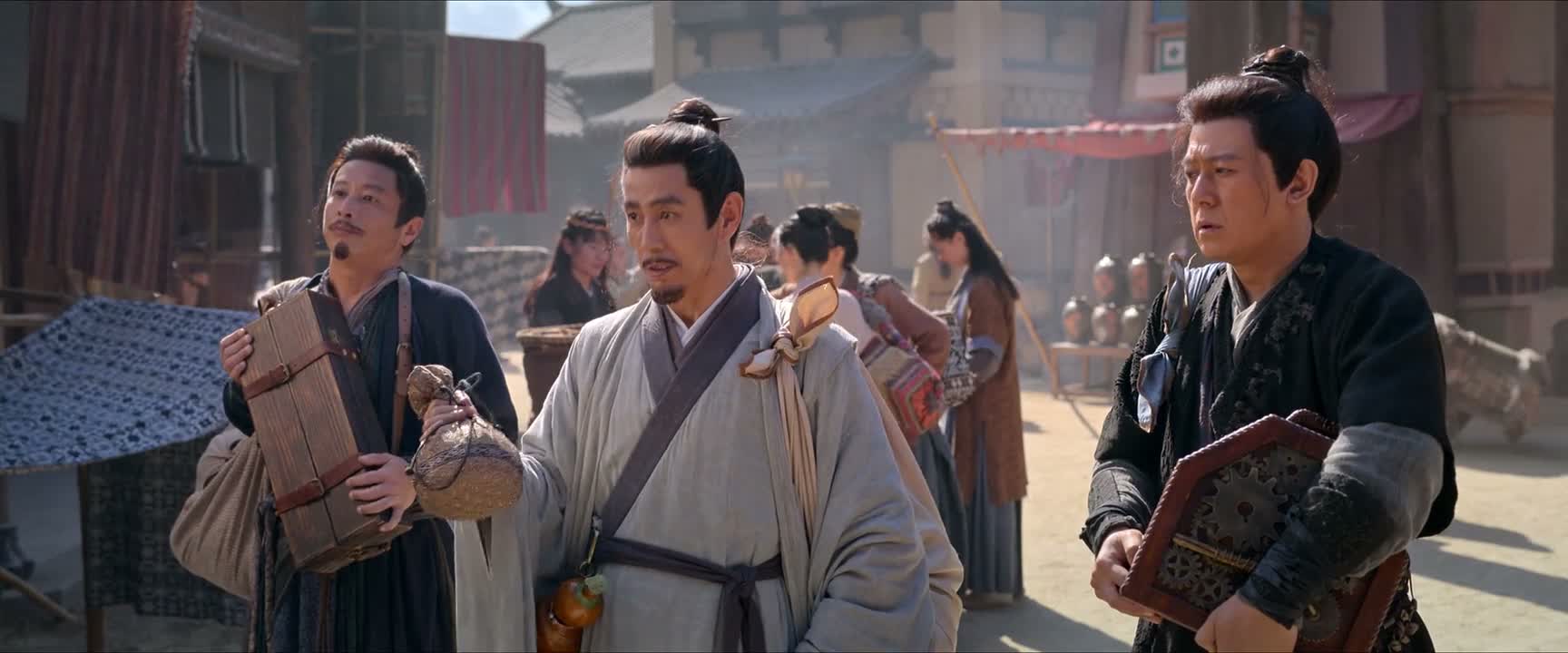
“How is that a scam?”

“What are you talking about? I'm not tricking you.”

“Why did you lie to me? Lie about what? What do you mean?”
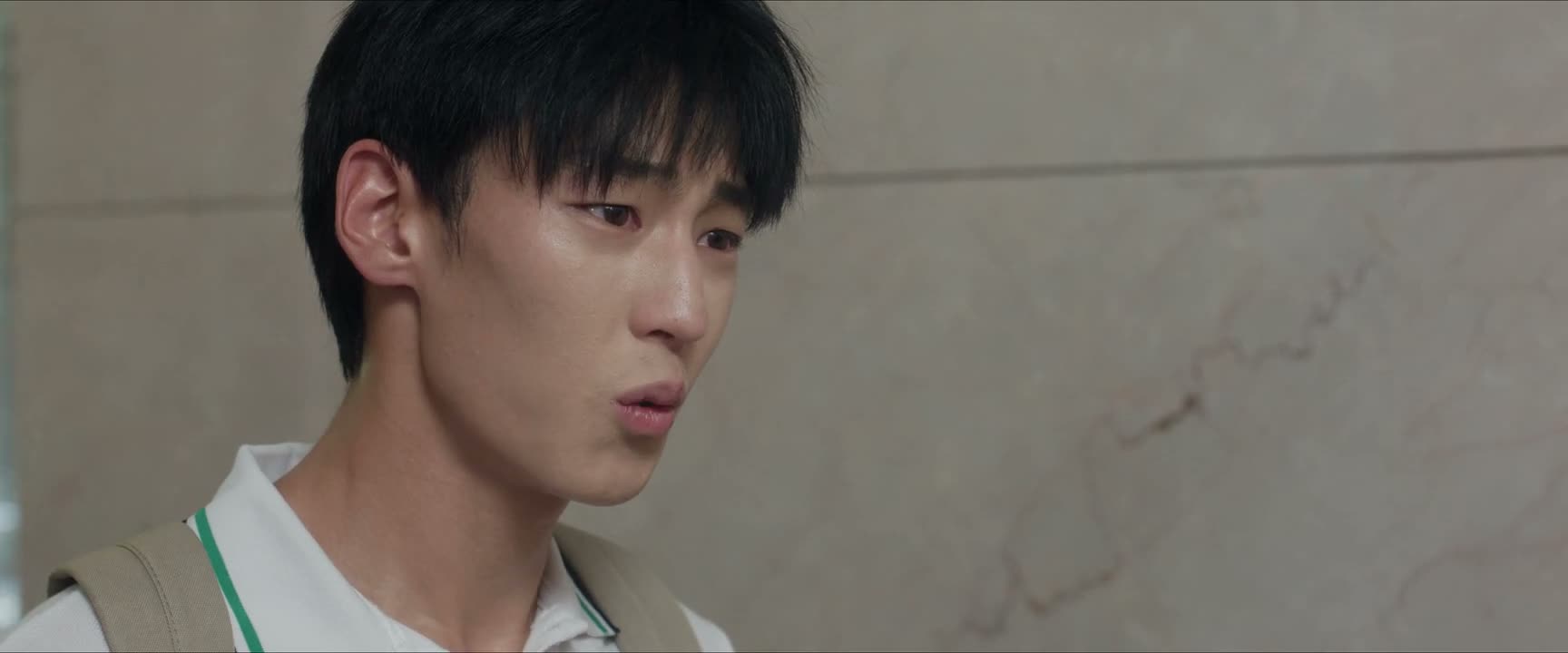
“Why did you lie to me?”

“How could I lie to you? You've misjudged me.”