这怎么能是骗呢
“How is that a scam?”
THE DIALOGUE REEL
我们不稀罕
“We want no part of it.”
这怎么能是骗呢
“How is that a scam?”
这你情我愿的
“It was all voluntary.”
“Do not blame me when you agreed to this deal fair and square.”
Citing mutual consent is a widespread justification in Chinese culture to absolve oneself of ethical blame in disputed transactions.
LEARNING CHUNKS & PARTICLES
how could it possibly be...
Used in rhetorical questions to strongly challenge someone's characterization of an event.
both sides are willing; mutual consent
A common idiom used to defend controversial transactions or relationships as consensual.
Reinforces the rhetorical question, demanding the listener to reconsider their accusation.
VOCABULARY & EXPRESSIONS
Parallel Spoken Cinema Scenes (语义近邻切片)

“How can you call that a scam?”
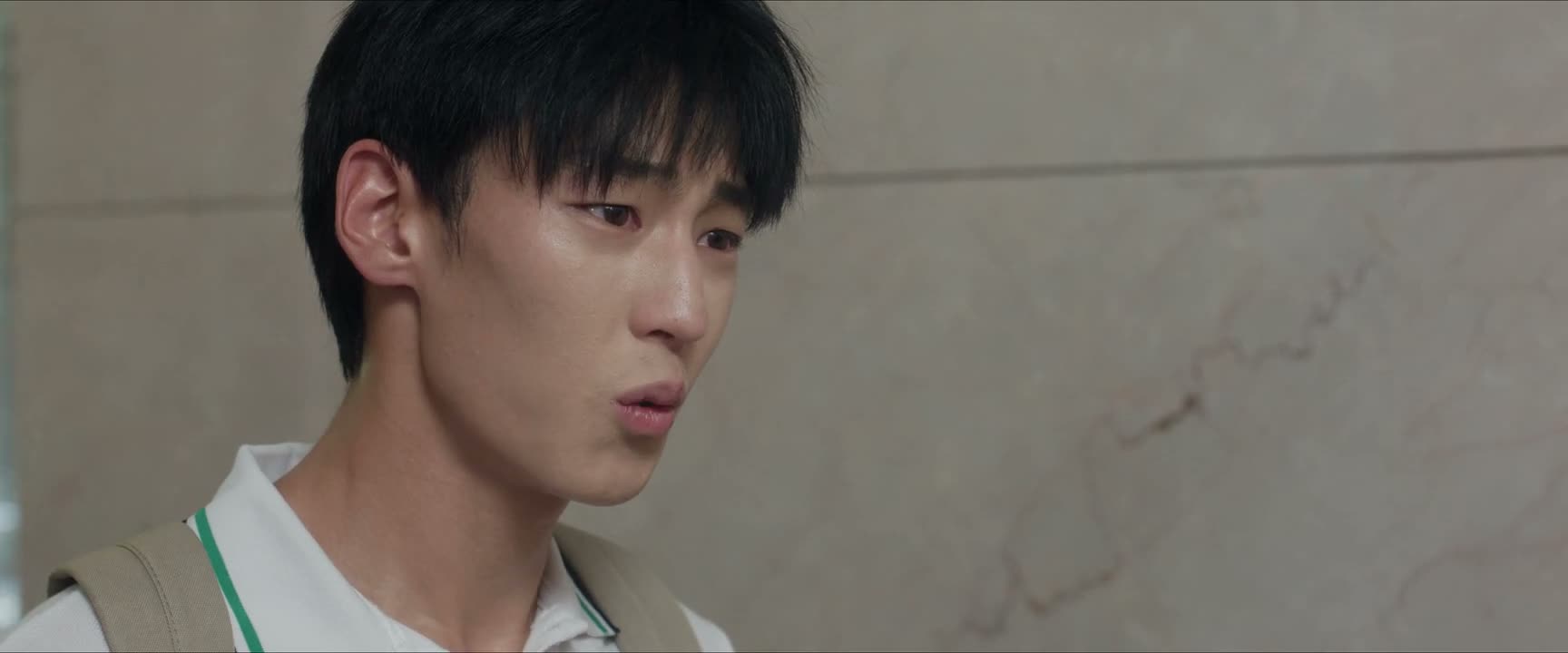
“Why did you lie to me?”

“How can this be called scamming? I'm helping them.”

“How could I lie to you? You've misjudged me.”
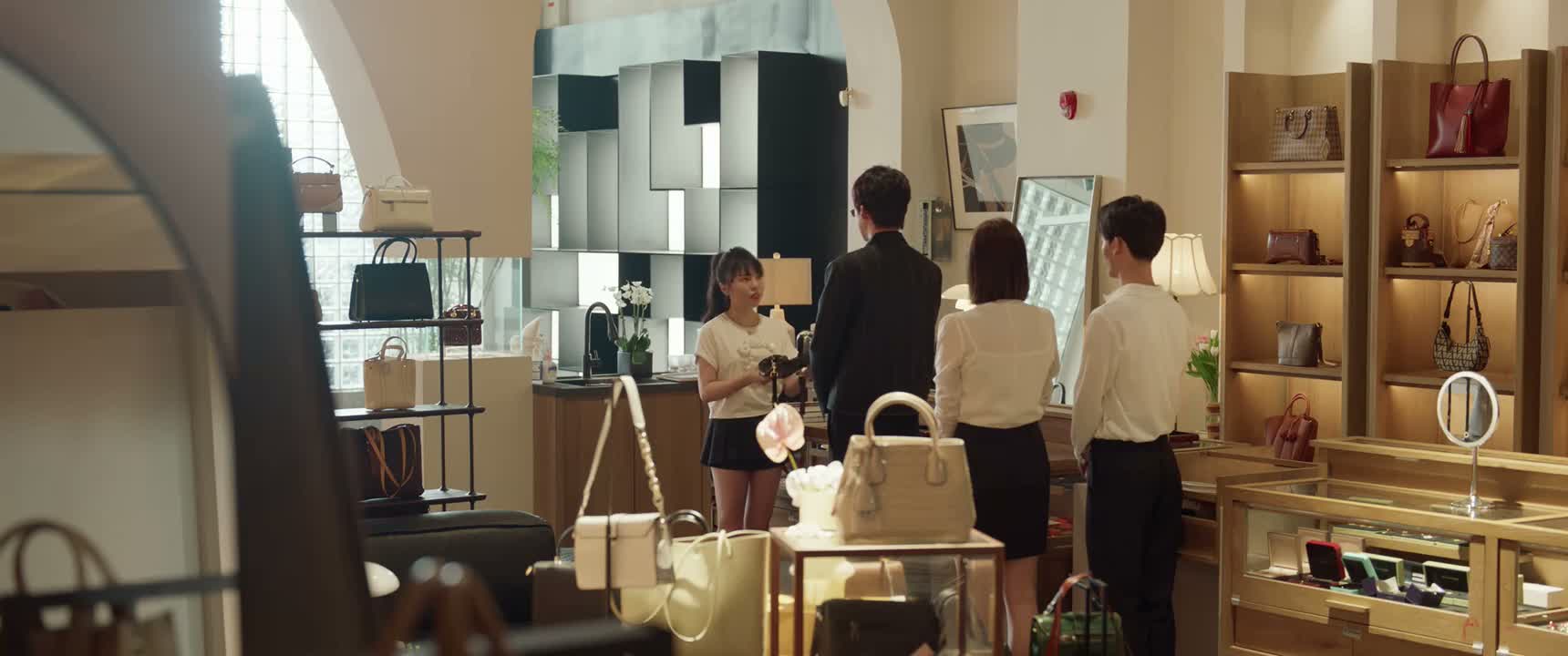
“How could it possibly be fake?”