不用了 我不吃了
“No, thanks, I have no appetite.”
THE DIALOGUE REEL
你回来了 尖儿 盛月亮的饭 好
“Welcome back. Get a bowl of rice for Mingyue, Jianjian. OK.”
不用了 我不吃了
“No, thanks, I have no appetite.”
为什么呀
“Why?”
“Leave me alone; I'm too upset to eat.”
In Chinese communal dining culture where eating together signifies harmony, refusing to eat serves as a subtle yet clear signal of interpersonal distress or personal upset.
LEARNING CHUNKS & PARTICLES
no need; no thanks
Standard polite yet definitive phrase used to decline an offer or assistance.
I'm not eating / I won't eat
Expresses a decision not to participate in an upcoming meal, often signaling a mood shift if uttered abruptly.
Marks a change of state or updated intention, indicating that the speaker has decided against eating.
VOCABULARY & EXPRESSIONS
Parallel Spoken Cinema Scenes (语义近邻切片)

“I'm good. I'm full already.”

“No need. I'm not hungry.”
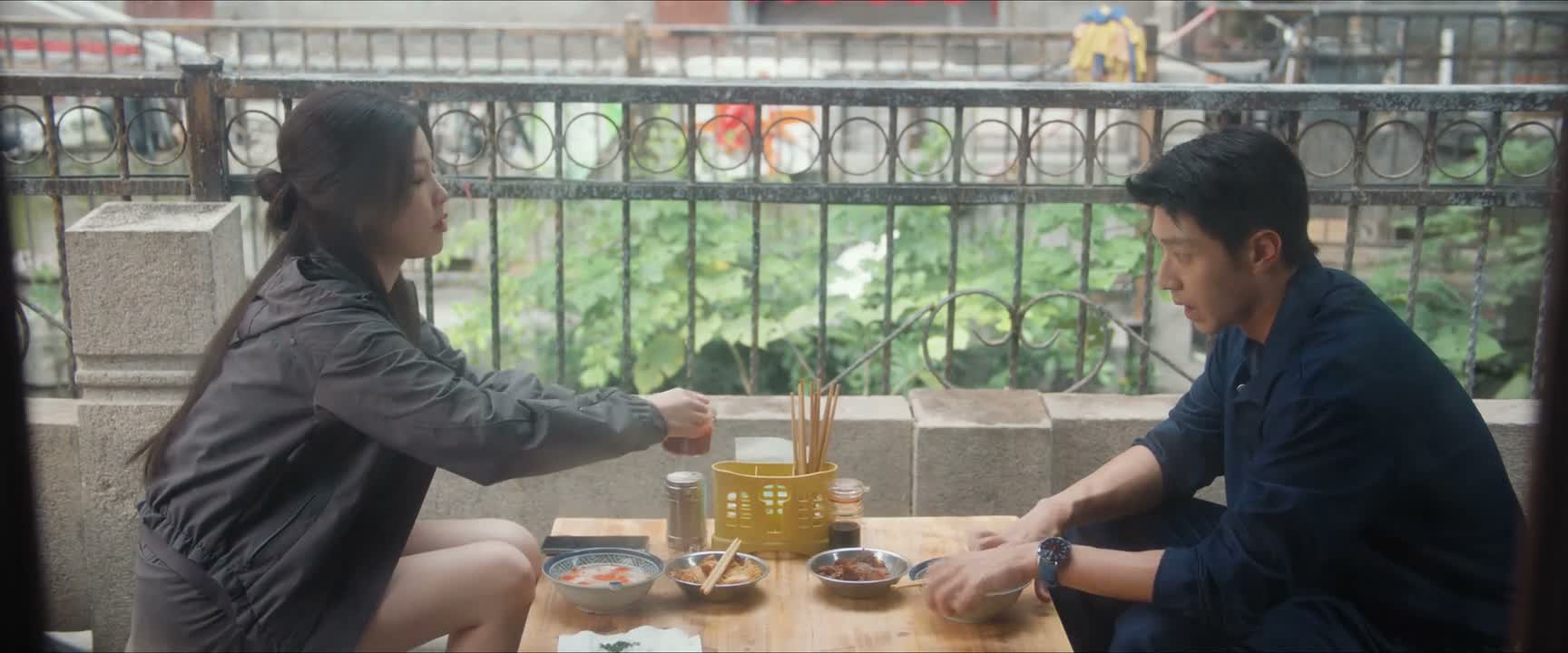
“Do you want some? No, thanks.”

“(I've changed my mind. I don't want those extra dishes.) I want this instead.”

“Don't want it. No, really! Come on!”

“No, thanks. I won't eat with you all. I'll go feed the dog.”
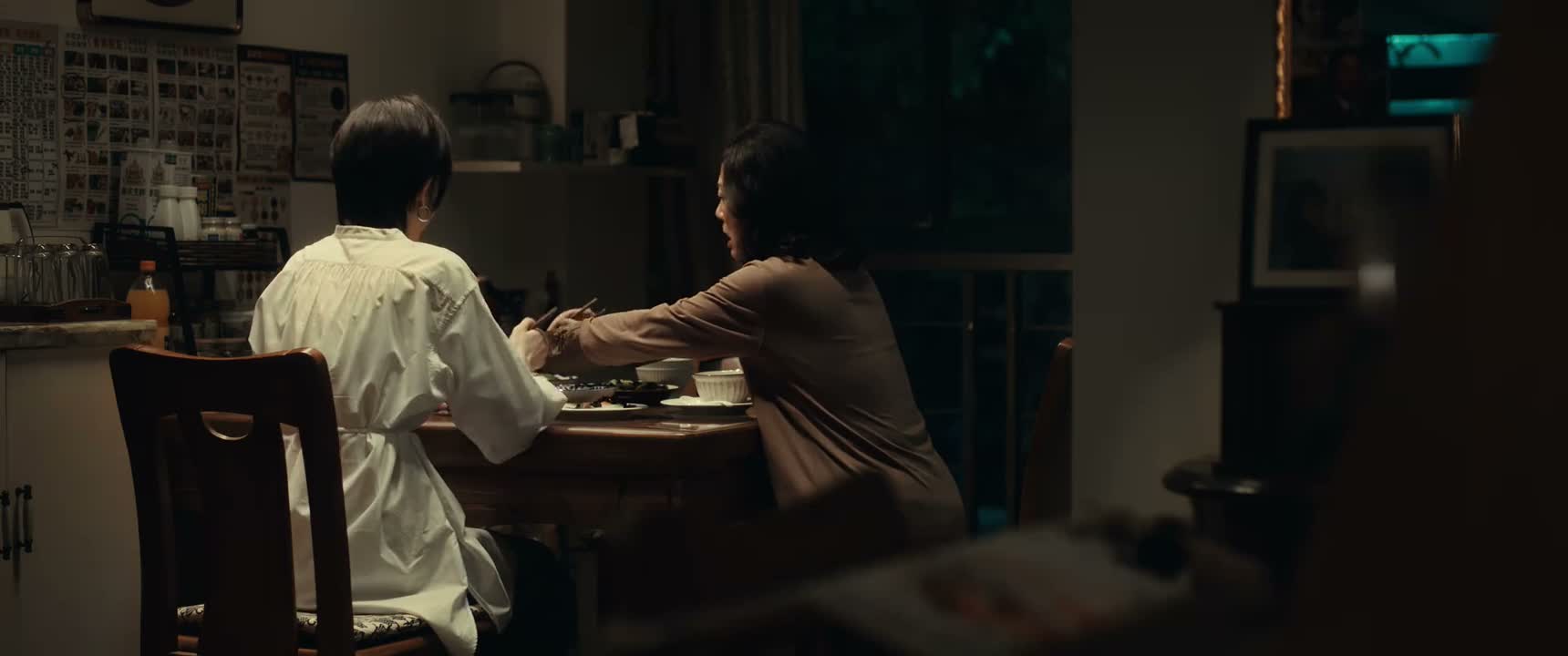
“You don't need to give me more, I'm already... Already full.”

“Thanks. Really, no need. Young people should eat more.”