这不要了 不要了 不要了 干啥呀
“Don't want it. No, really! Come on!”
THE DIALOGUE REEL
柱子
“Zhu.”
这不 要了 不 要了 不 要了 干啥呀
“Don't want it. No, really! Come on!”
“We got up early and got this for your parents.”
“You really shouldn't have spent money on us, but I appreciate the thought.”
In Chinese gift-giving etiquette, recipients customarily refuse gifts multiple times out of modesty before ultimately accepting them.
LEARNING CHUNKS & PARTICLES
no need; don't want it
Repeated in casual spoken Chinese to politely yet emphatically reject an offer or gift.
what are you doing?
A colloquial northern Chinese phrase used to express mild exasperation or polite resistance when receiving favors.
Marks a change of state and adds emphatic closure to the refusal.
Softens the blunt question 'what are you doing' into a friendly, informal query.
VOCABULARY & EXPRESSIONS
Parallel Spoken Cinema Scenes (语义近邻切片)

“No, thanks, I have no appetite.”
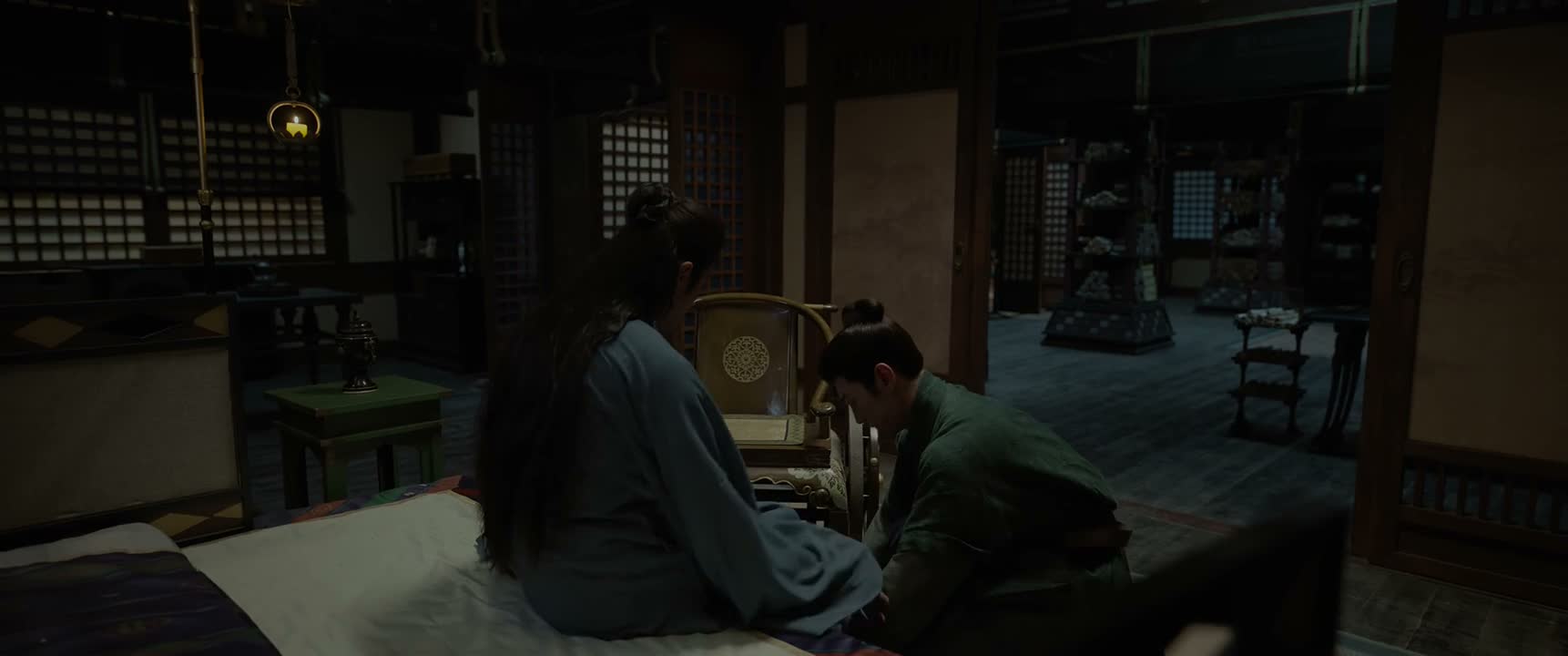
“It's fine. You can go rest.”
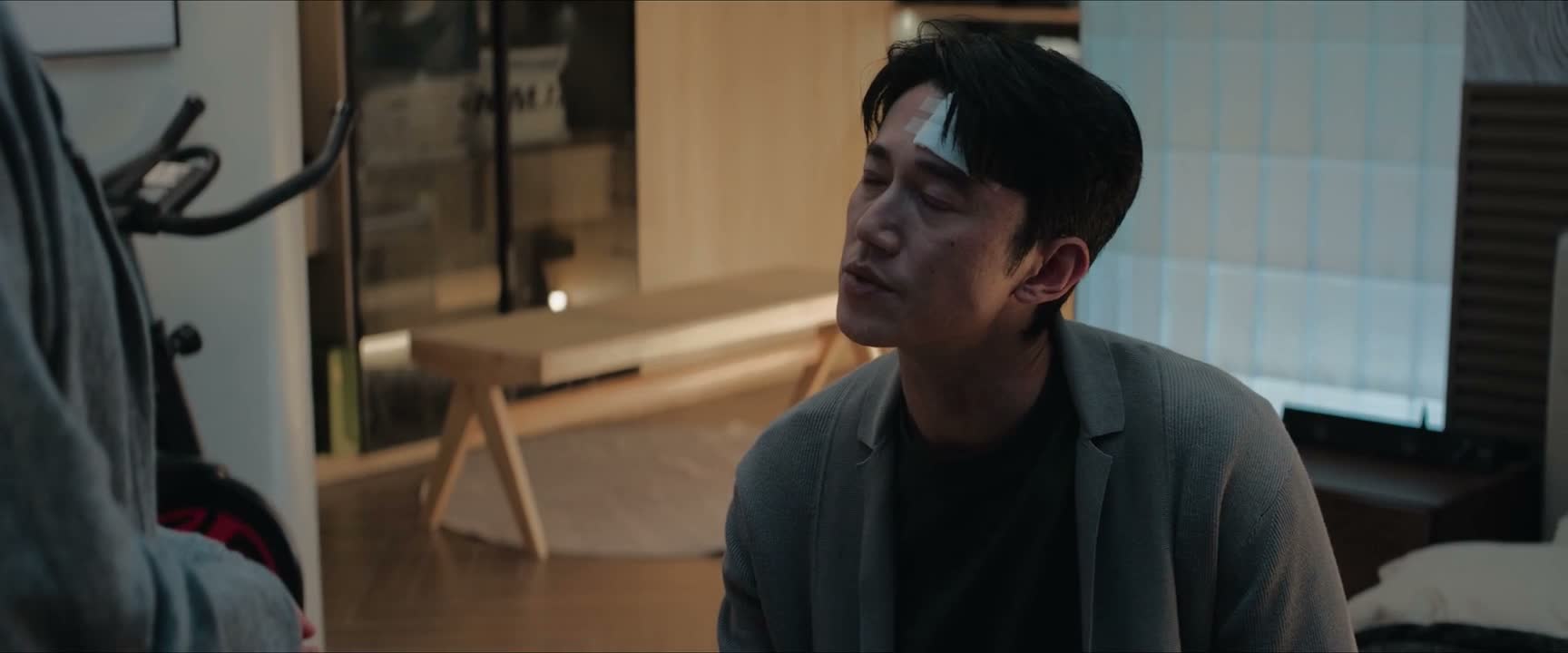
“No need. Don't trouble yourself.”

“No, there's really no need.”

“No, no. Don't. You pay every time.”