MC
MandarinClips Cinema Corpus
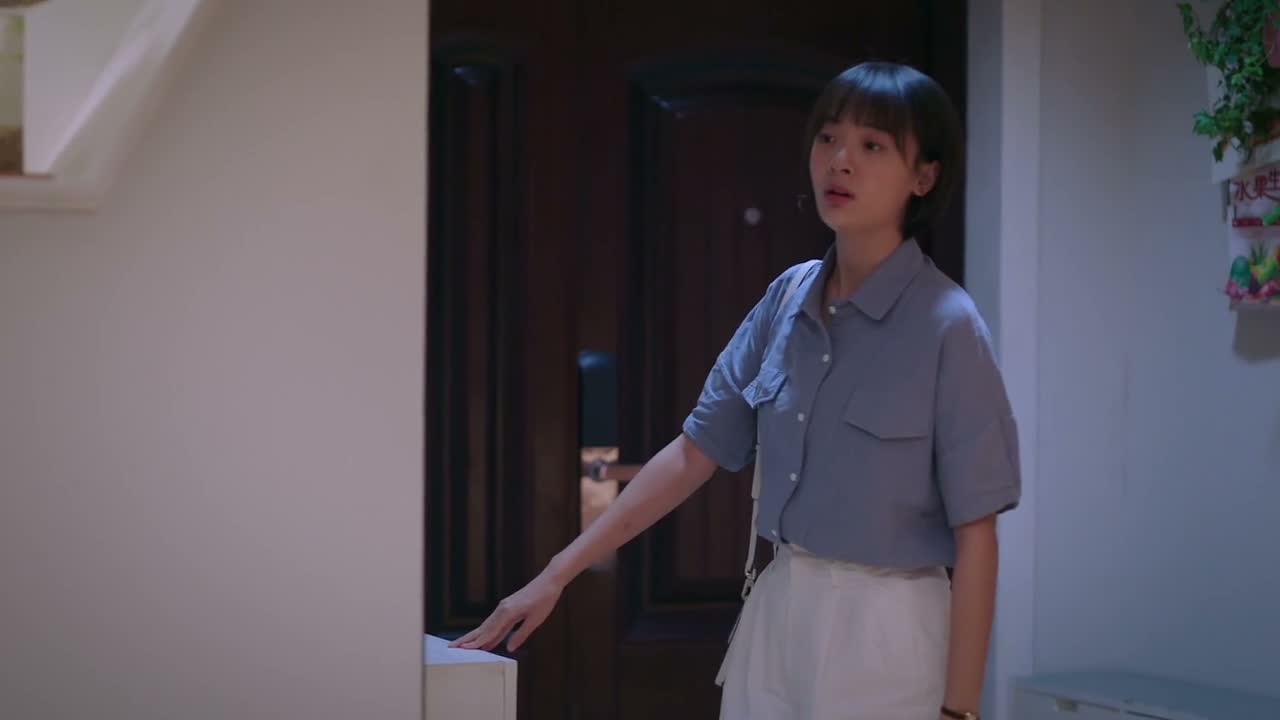
《The Dream Maker》 S1·E23 (13:01) HSK 3
bù yòng le bù yòng le nián qīng rén duō chī diǎn

不用了 不用了 年轻人多吃点

“Thanks. Really, no need. Young people should eat more.”

《The Dream Maker》 S1·E23
TIMECODE: 13:01 · 1080P MASTER AUDIO

THE DIALOGUE REEL

1+1+1 SPOKEN CONTINUITY
[-1] PREVIOUS TURN bù yòng le bù yòng le xiào dà jiě xiè xiè xiè xiè a

不用了 不用了 肖大姐 谢谢 谢谢啊

“- Come on. - No need, Ms. Xiao. Thanks. Really, no need.”

bù yòng le bù yòng le nián qīng rén duō chī diǎn CURRENT FOCUS

不用了 不用了 年轻人多吃点

“Thanks. Really, no need. Young people should eat more.”

[+1] FOLLOW-UP TURN gòu le gòu le

够了 够了

“It's enough.”

Subtitles synced to millisecond timecode Browse Show Clips →
Scene: Dining & Food
Function: POLITE REFUSAL
Tone: WARM
Emotion: GRATITUDE
WHAT THEY REALLY MEAN (PRAGMATIC SUBTEXT)
“I have had plenty, please give the food to the younger folks instead.”
💡 Cultural Insight: Dining Humility and Elder Care

In Chinese dining etiquette, elders or guests often politely refuse food while urging younger attendees to eat heartily, signaling selflessness and warmth.

INTENT TAGS: #polite_refusal #hospitality #caring #modesty
🧩

LEARNING CHUNKS & PARTICLES

2 CHUNKS · 1 PARTICLES
不用了 SPOKEN CHUNK

no need / no thank you

The standard polite spoken phrase used to decline an offer or service.

多吃点 SPOKEN CHUNK

eat more / help yourself to more

A quintessential host or elder phrase showing hospitality and maternal or paternal care at the dining table.

Modal Particle「了」 (le) CHANGE OF STATE

Signals completion or a shift in state, functioning as a polite closure to the offer.

🏮

VOCABULARY & EXPRESSIONS

2 EXPR · 1 GRAMMAR
CROSS-CINEMA CORPUS BOARD · PARALLEL SCENES

Parallel Spoken Cinema Scenes (语义近邻切片)

EXPLORE BY SEMANTIC SIMILARITY
《The Dream Maker》 S1·E23 (13:01) · Authentic Cinema Dialogue Corpus