陪我吃个饭吧 行啊
“Let's go have lunch. Sure,”
THE DIALOGUE REEL
“do you have a moment right now? Yes.”
陪我 吃个饭 吧 行啊
“Let's go have lunch. Sure,”
“I'll call the office to tell them I would be there later. What would you like to have?”
Direct spoken expression in this communicative setting.
Asking someone to 'accompany me to eat' (陪我吃个饭) is a standard Chinese expression of seeking emotional connection, companionship, and warmth.
LEARNING CHUNKS & PARTICLES
have a meal together
The insertion of '个' softens the verb '吃饭', making the meal proposal casual and low-pressure.
sure; sounds good
A relaxed, enthusiastic expression of agreement common among close friends and family.
Softens the request into a gentle, friendly suggestion.
Adds warmth and enthusiastic affirmation to the consent.
VOCABULARY & EXPRESSIONS
Parallel Spoken Cinema Scenes (语义近邻切片)

“You owe me a meal. For what?”

“OK. Have a meal with my mother and spend some time with her. Have you friended her on WeChat?”

“Follow me and you'll have food.”
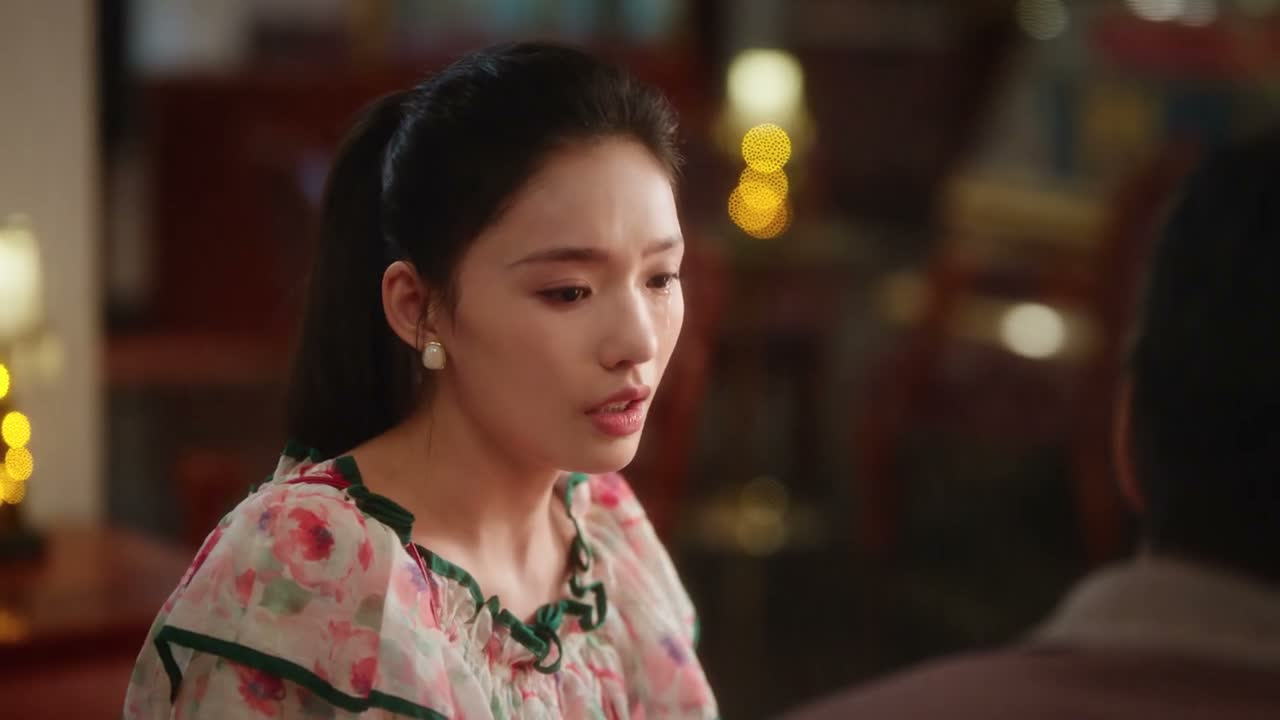
“Then let me treat you to dinner, okay?”

“- Enjoy your meal. - Okay. Listen. Right now,”
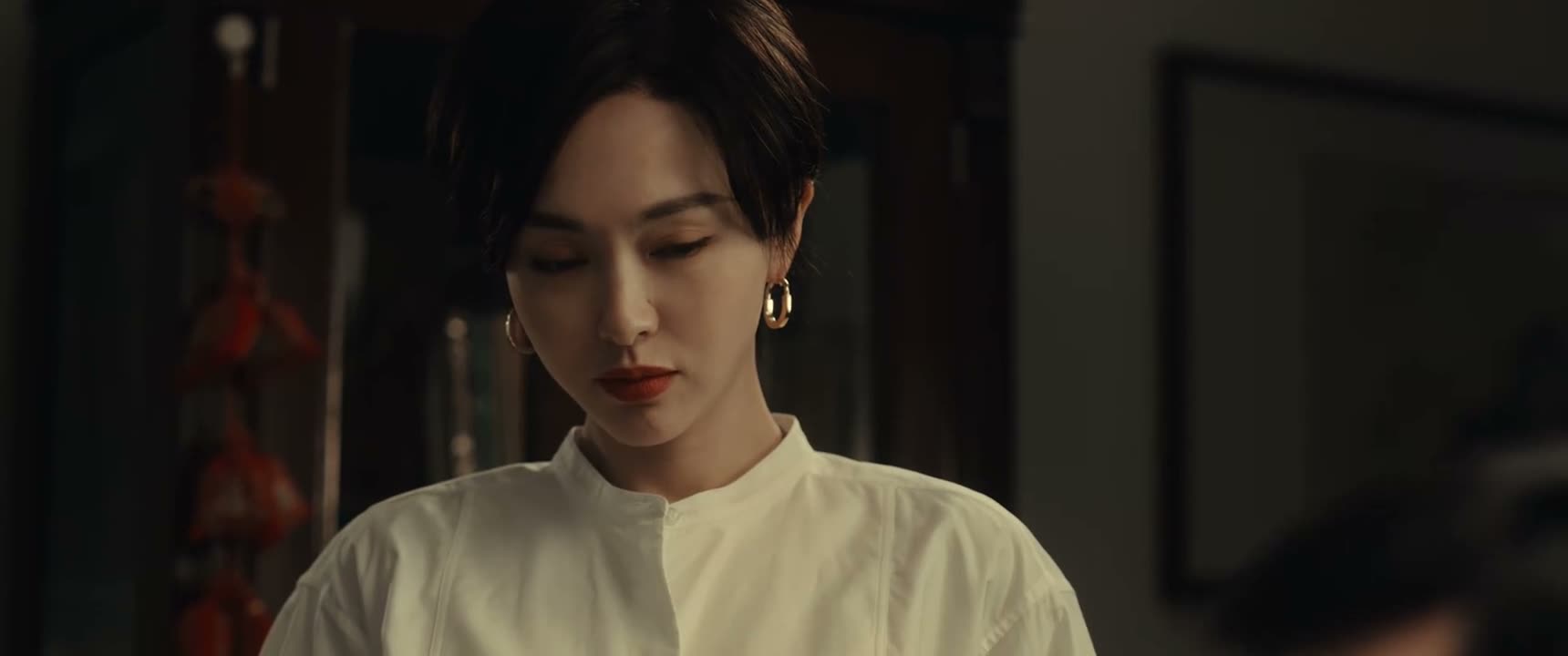
“I agreed to eat out. Coming here is not an option.”