我就得孤苦伶仃地 待在新加坡吗
“I deserve to be alone in Singapore?”
THE DIALOGUE REEL
我 我回新加坡 不得天天受着你这些
“If we return to Singapore, I have to tolerate it every day.”
我就得 孤苦伶仃 地 待在 新加坡吗
“I deserve to be alone in Singapore?”
其实我之前也没想过
“In fact, I didn’t plan this.”
“If you leave, you are heartlessly abandoning me to suffer in isolation.”
Chinese parents or elders in high-conflict relationships often invoke vivid imagery of abandonment (such as being left 孤苦伶仃) to leverage filial obligations and demand compliance.
LEARNING CHUNKS & PARTICLES
solitary and helpless; all alone in the world
A dramatic four-character idiom used to describe acute loneliness and lack of support.
Forms a rhetorical question that expresses indignation and challenges the fairness of the situation.
VOCABULARY & EXPRESSIONS
Parallel Spoken Cinema Scenes (语义近邻切片)

“I want to go back to Singapore instead of staying here!”
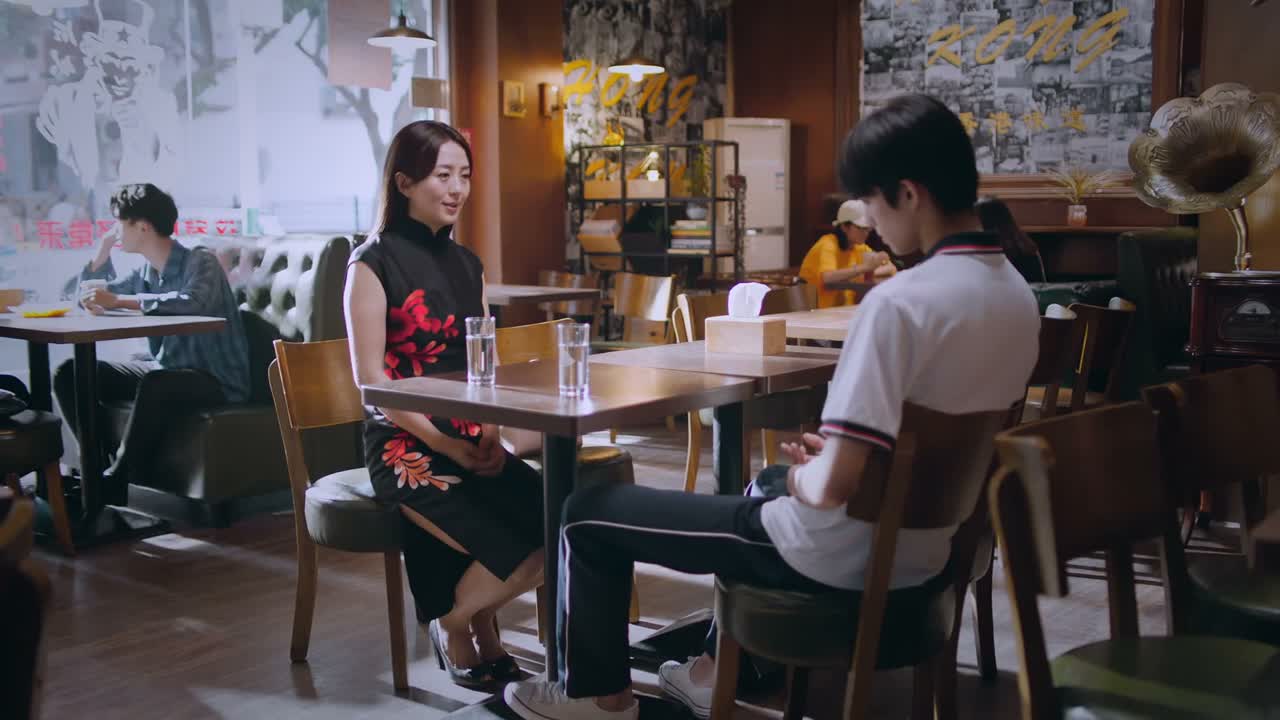
“I live in Singapore now.”

“She's left and gone to Singapore and she's never here.”
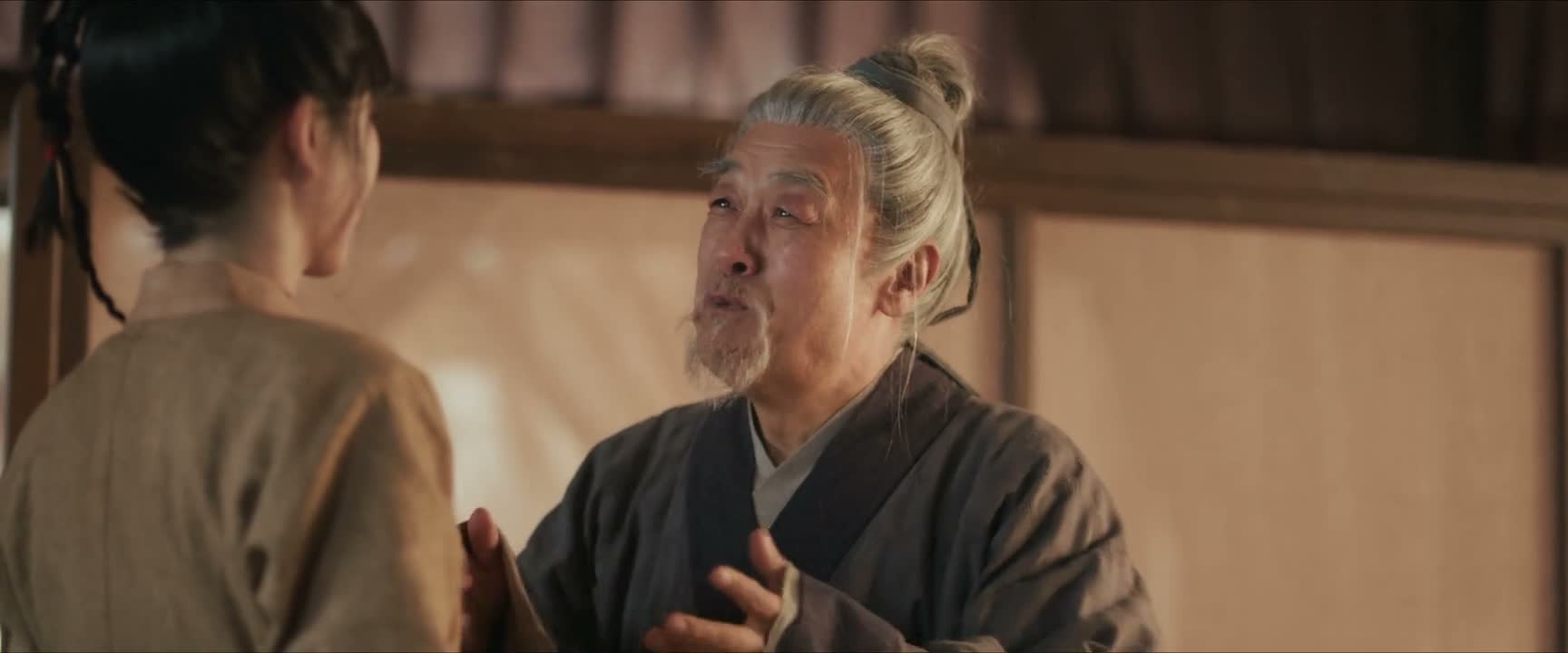
“I've lived half my life in loneliness.”

“I'm already used to the life in Singapore.”

“It's been about 20 years since I moved here”