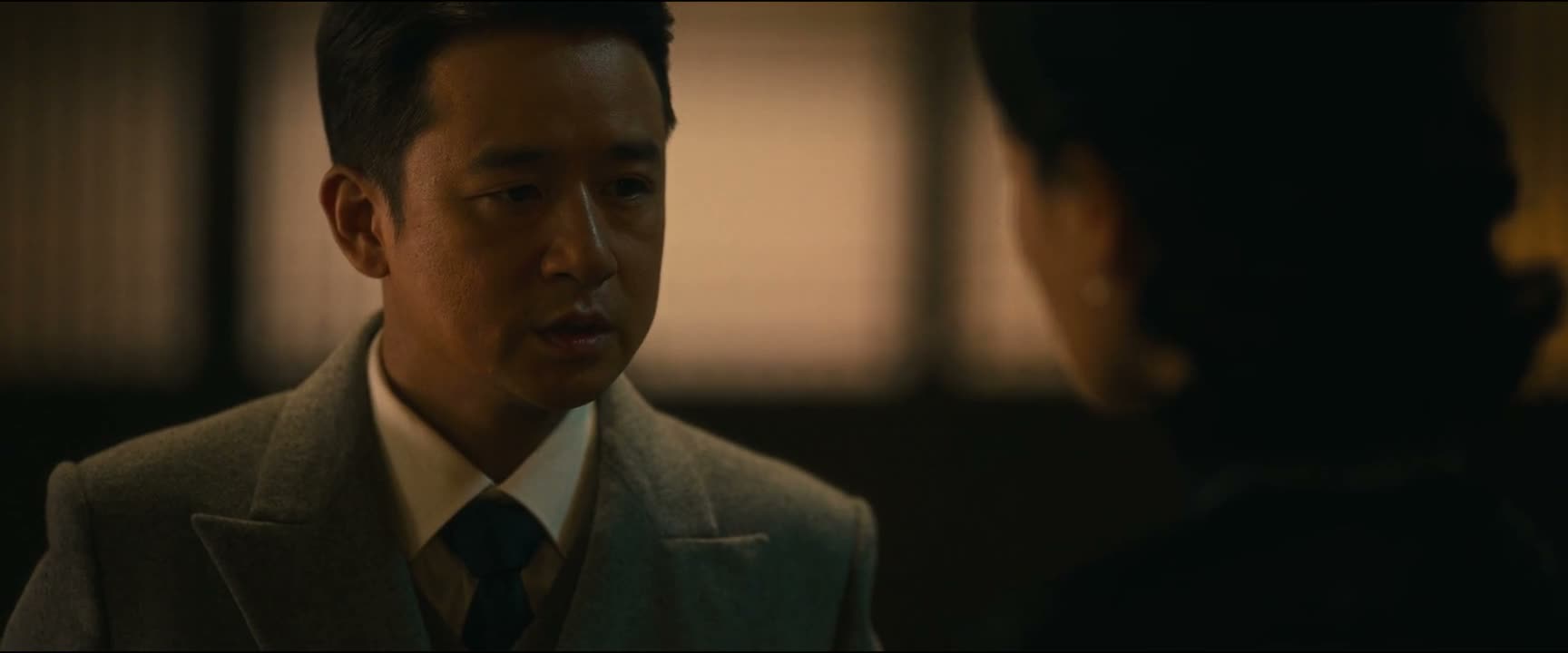
你叨叨什么呢 你是不是饿了
“What are you muttering? Are you hungry?”
THE DIALOGUE REEL
就算父母不管 老师也要管的嘛
“Even if parents don't, teachers should.”
你 叨叨什么 呢 你 是不是 饿了
“What are you muttering? Are you hungry?”
不是 我觉得他们穿的 你想去 是吧
“No. I think they dress... You want to join? Why didn't you go?”
“Stop rambling and whining over nothing—you're just acting cranky because you need food.”
In Chinese everyday culture, being irritable or talkative is often humorously attributed to bodily needs like hunger, functioning as a lighthearted way to diffuse tension without confronting the actual complaint.
LEARNING CHUNKS & PARTICLES
to chatter continuously, to nag or ramble
A common colloquial Northern Chinese term used to describe someone talking endlessly or whining about minor things.
could it be that, isn't it true that
Used here rhetorically to offer a speculative, teasing explanation for someone's odd behavior.
Softens the interrogative question and marks an ongoing, observed action.
Indicates a newly arisen change of state (becoming hungry).
VOCABULARY & EXPRESSIONS
Parallel Spoken Cinema Scenes (语义近邻切片)

“What's the use of rambling about this now?”

“What kind of nonsense have you been blabbering about?”
“you've been acting mysterious and busy all the time.”

“Stop nagging. I'll just make the money back by selling them. Who would buy those? We have a pile over there.”

“What are they whispering about?”

“You're lucky to have someone nagging you.”