好 您 您来 好 我就不给你让座了
“-After you, please. -Okay. I won't stand on ceremony.”
THE DIALOGUE REEL
咱们以后再说
“your work later.”
好 您 您来 好 我就不 给你 让座 了
“-After you, please. -Okay. I won't stand on ceremony.”
“Mang village is in such a big trouble now. You'd better go back and deal with it.”
“You may come in, but do not expect me to stand up and bow to your authority right now.”
Offering one's seat or standing when a superior enters is a traditional sign of respect in Chinese workplaces; explicitly declining to do so signals passive resistance or equal footing.
LEARNING CHUNKS & PARTICLES
to offer one's seat to someone
Commonly used on public transit or in formal/social gatherings as a sign of respect toward elders or guests.
Signals a decided stance or change in expected behavior, asserting that the speaker will not stand up.
VOCABULARY & EXPRESSIONS
Parallel Spoken Cinema Scenes (语义近邻切片)

“(Integrity Comes First) Okay, one moment. Yours is coming. Coming.”
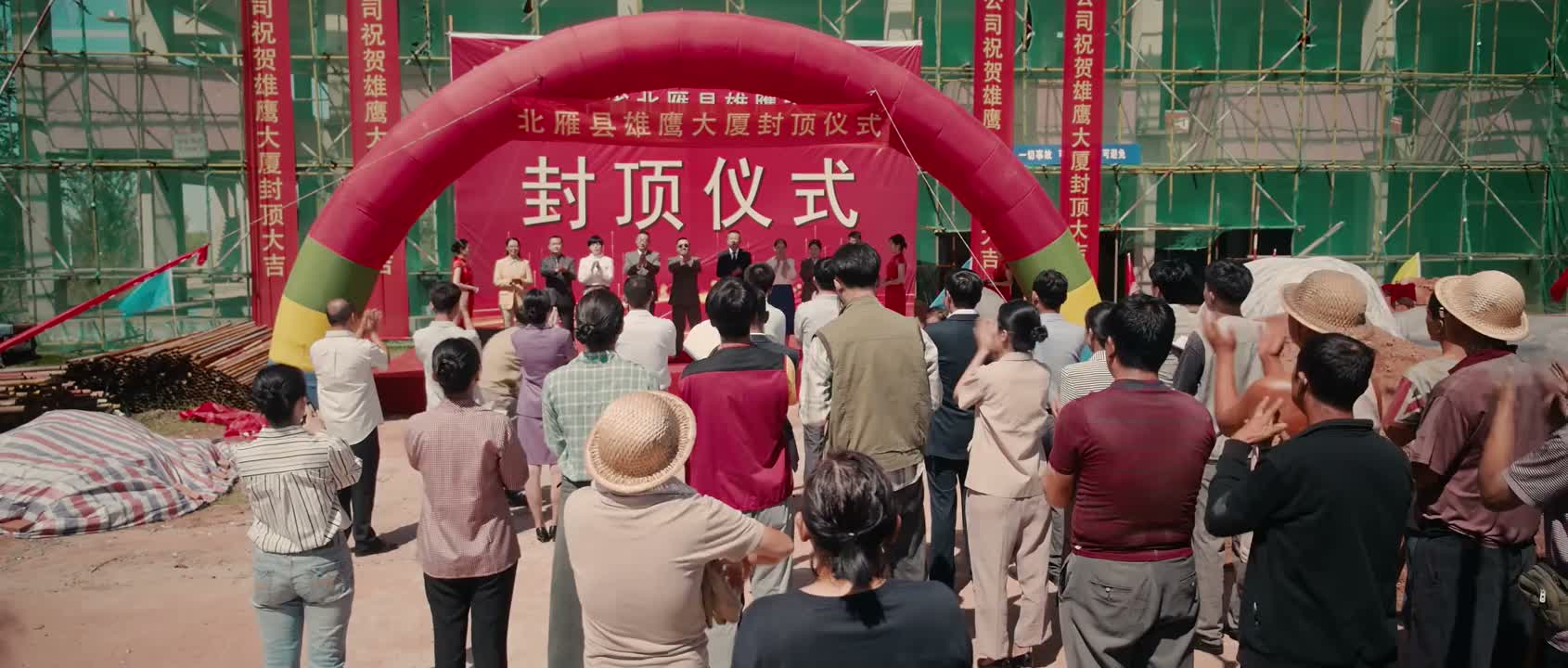
“- Great! - Great!”
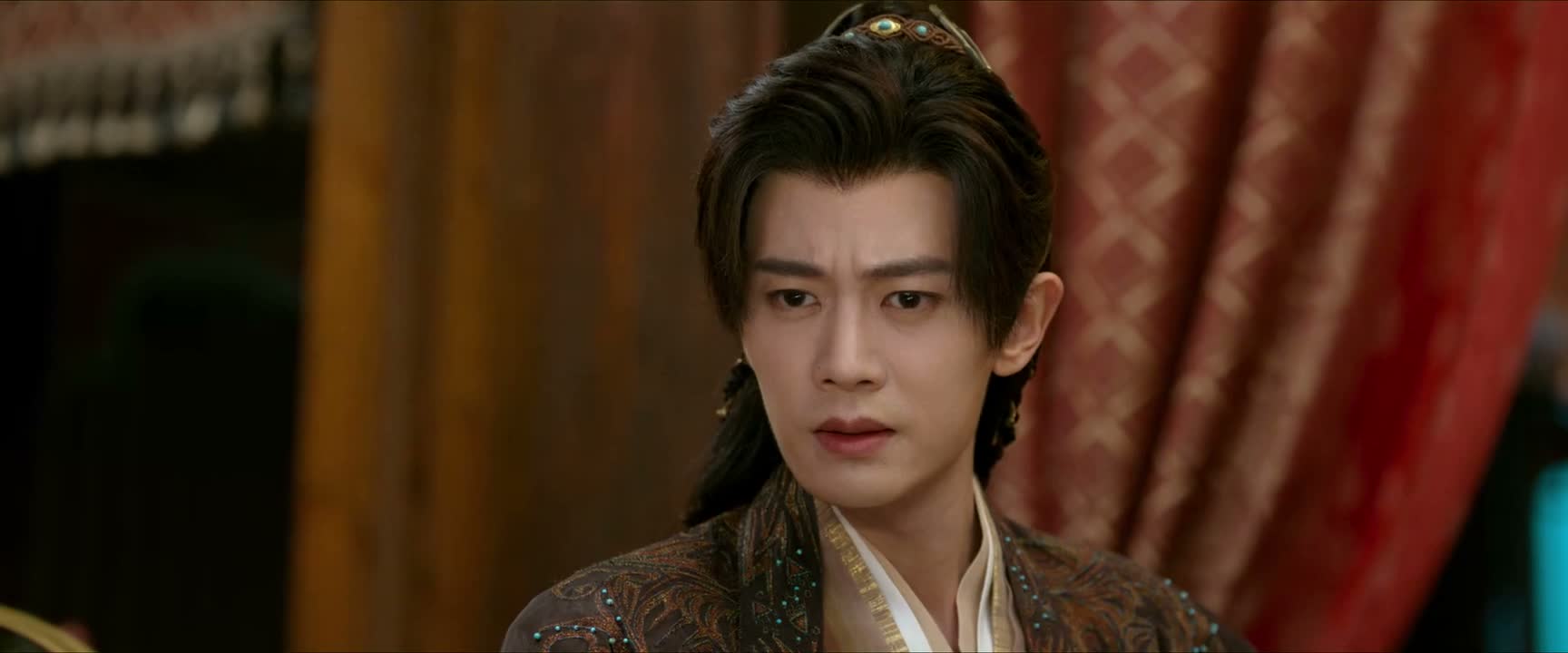
“Nice!”

“Bravo! Bravo!”

“-Bravo! -Bravo!”
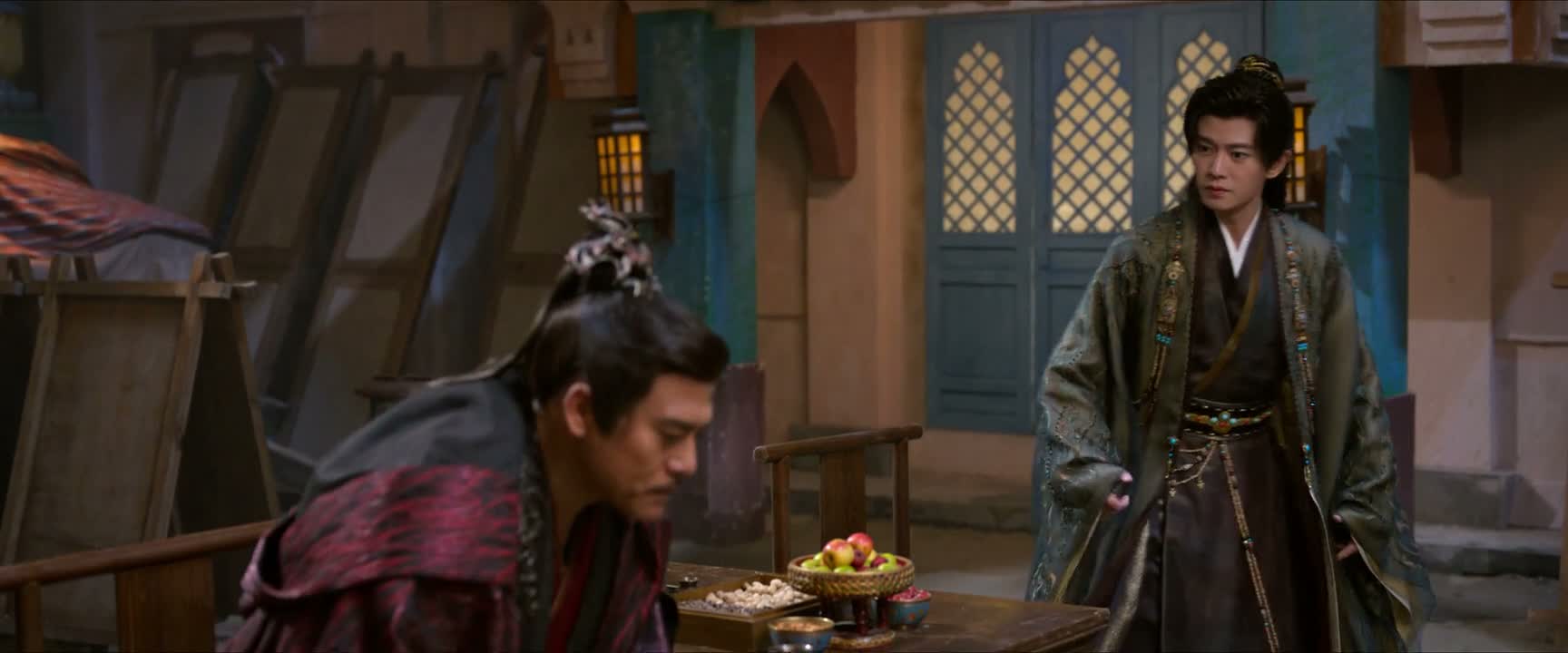
“Nice!”