之前有点事 你有私事怪我了
“I had something to take care of earlier. You're blaming me for your personal business?”
THE DIALOGUE REEL
对不起
“I'm sorry.”
之前 有点事 你有 私事 怪我了
“I had something to take care of earlier. You're blaming me for your personal business?”
有事你去办事啊 这把钱还上了 这不就完了吗
“Then go take care of it! Pay back the money, and we're done.”
“Don't pin this delay on me just because your personal issues got in the way.”
In interpersonal friction involving money, parties often use vague personal excuses ('有点事') and sarcastic counters to avoid losing face by admitting fault.
LEARNING CHUNKS & PARTICLES
so it's my fault now?
A defensive and sarcastic rhetorical statement used to reject unwarranted blame.
had something to take care of
A vague excuse often used to justify lateness or postponement without giving details.
Used at the end of '怪我了' to convey a sense of absurd finality in the rhetorical accusation.
VOCABULARY & EXPRESSIONS
Parallel Spoken Cinema Scenes (语义近邻切片)
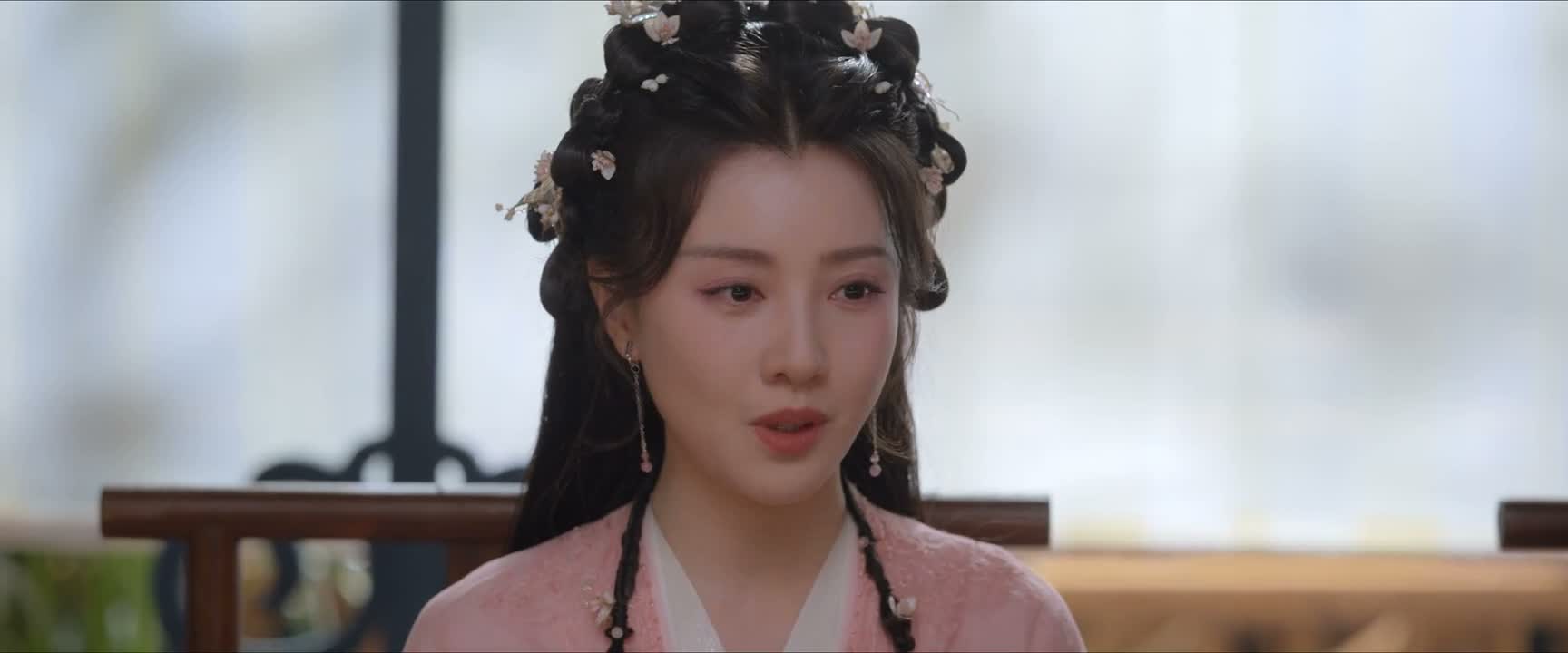
“I had an incident years ago.”

“Did something happen? It's a private matter. Don't tell anyone.”

“It's just that my previous relationship was too painful.”

“About what happened last time, I am terribly sorry.”

“I didn't do anything inappropriate last night, did I?”

“I suddenly have something to do. Gotta go now.”