有点事
yǒu diǎn shìCommon spoken expression used by native Chinese speakers in daily life.
[Scene: 社交聚会]
(11 clips) 00:02
 00:03
(你 你怎么来了) ── Previous context
“I was just passing by. I need to talk to you. Do you have time?”
 00:03
(我们来汇报个工作 吃口饭也回去了) ── Previous context
“I won't keep you company today then. I have things to do at home. I'm leaving now.”
 00:03
(要不 我们一起吧) ── Previous context
“I suddenly remember I have something to do at night. Both of you should go first.”
 00:03
(没事就好 那你留下来吃饭吧 不吃了 不吃了) ── Previous context
“I've got some work to handle. I have to go. Desheng, I'm off.”
 00:03
(真的太好了 那 我们一起去吃个饭) ── Previous context
“I actually have something to handle later. How about next time?”
 00:03
(你怎么翻脸不认人) ── Previous context
“I've been busy in the last two days. I didn't get a signal.”
 00:03
(你帮我约下何宇穹) ── Previous context
“I have something to do. Leaving. - Bye-bye. - What?”
 00:02
(不好意思啊 今天学校有点) ── Previous context
“I was caught up in something at school today. It's alright.”
 00:02
 00:02
[Scene: 其他场景]
(6 clips) 00:02
 00:02
(我就想偷个懒 行 那你早点休息) ── Previous context
“Zhao, I've got something to do. I'll hang up now.”
 00:03
(唐大爷) ── Previous context
“we need to talk to you. What is it? Come outside with me.”
 00:02
 00:03
(不好意思啊) ── Previous context
“My wife is easily frightened. She gets nervous easily.”
 00:02
[Scene: 家庭日常]
(4 clips) 00:02
 00:02
 00:02
 00:03
[Scene: 职场工作]
(4 clips) 00:03
(拜拜) ── Previous context
“Don't wait for me. Head back now. I still have something to do. Sure.”
 00:03
(也算打过伏笔了) ── Previous context
“Mr. Fan. Sorry to interrupt. I need Mr. Xiao for something.”
 00:03
(咨询的事 我再考虑考虑) ── Previous context
“I have something to do in half an hour. I won't keep you here today.”
 00:02
(咱们一块儿去吃个饭 是 一起吧 行啊) ── Previous context
“I'll pass. I still have work at the station. Come on, just a quick meal.”
[Scene: 其他场景]
(2 clips)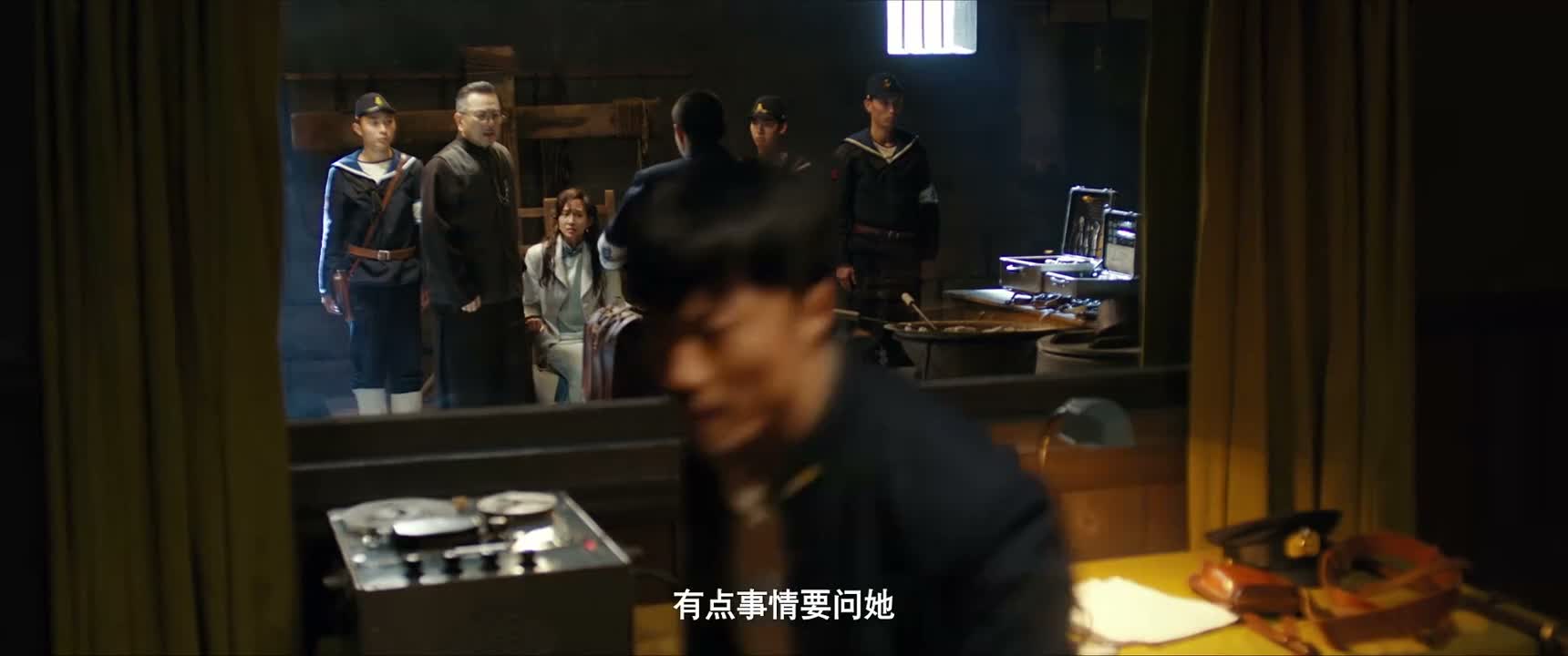 00:02
 00:02
(对不起) ── Previous context
“I had something to take care of earlier. You're blaming me for your personal business?”
[Scene: 警匪刑侦]
(1 clips) 00:02
📌 没事
→Nuance: 带托辞的道别,交际意图相近
📌 不好意思
→Nuance: 加入不好意思,告别语气更礼貌委婉
📌 不好意思
→Nuance: 同为主人离席时招呼客人自便
📌 有时间吗
→Nuance: 都是找对方有事要谈
📌 我先走了
→Nuance: 语气更日常委婉的口语变体
📌 我先走了
→Nuance: 轻微语气词变化,核心意图一致
📌 突然想起
→Nuance: 同为因有事而脱身的委婉托辞
📌 突然想起
→Nuance: 句式意图高度一致,仅时段不同