我还有点事 我先走了啊
“I have something to do. I'll go first.”
THE DIALOGUE REEL
能变回的
“You will.”
我 还有 点事 我先走了啊
“I have something to do. I'll go first.”
“Anyway, the antidote takes two hours.”
“I need to get out of here before things get weird or worse.”
Claiming vague 'business to attend to' (有事) is a staple Chinese conversational tactic to bow out of awkward or stressful interactions without causing direct offense or loss of face.
LEARNING CHUNKS & PARTICLES
still have a few things to attend to
A classic, universally polite social buffer used to excuse oneself from a conversation or gathering without giving specific details.
I'm heading out first / I will take my leave now
Standard conversational farewell when leaving before others in a group.
Softens the abruptness of the sudden departure, making the hasty exit sound friendly rather than rude.
VOCABULARY & EXPRESSIONS
Parallel Spoken Cinema Scenes (语义近邻切片)
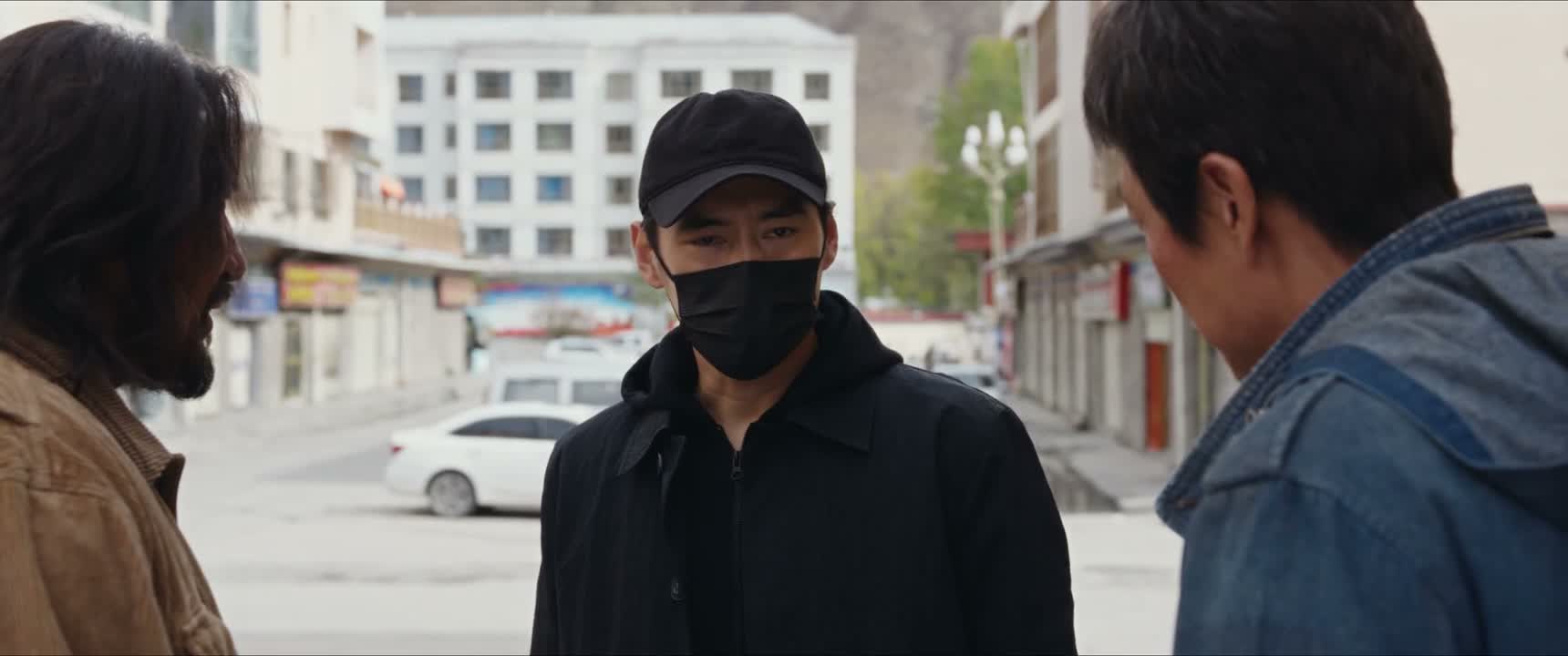
“I have things to do. I'm leaving.”

“I have something to do, so I'll leave first.”

“I have matters to attend to, I'll take my leave.”

“I won't keep you company today then. I have things to do at home. I'm leaving now.”

“I've got some work to handle. I have to go. Desheng, I'm off.”

“I have to go. Something's come up.”

“I suddenly have something to do. Gotta go now.”

“I have things to do. I need to leave now.”

“I have something to attend to, so I'll go first.”

“I need to be somewhere else. I'll get going. Alright.”

“I suddenly remember I have something to do at night. Both of you should go first.”

“I have something to do. Leaving. - Bye-bye. - What?”

“Here. That's all? Meiyan, I have to go, too.”