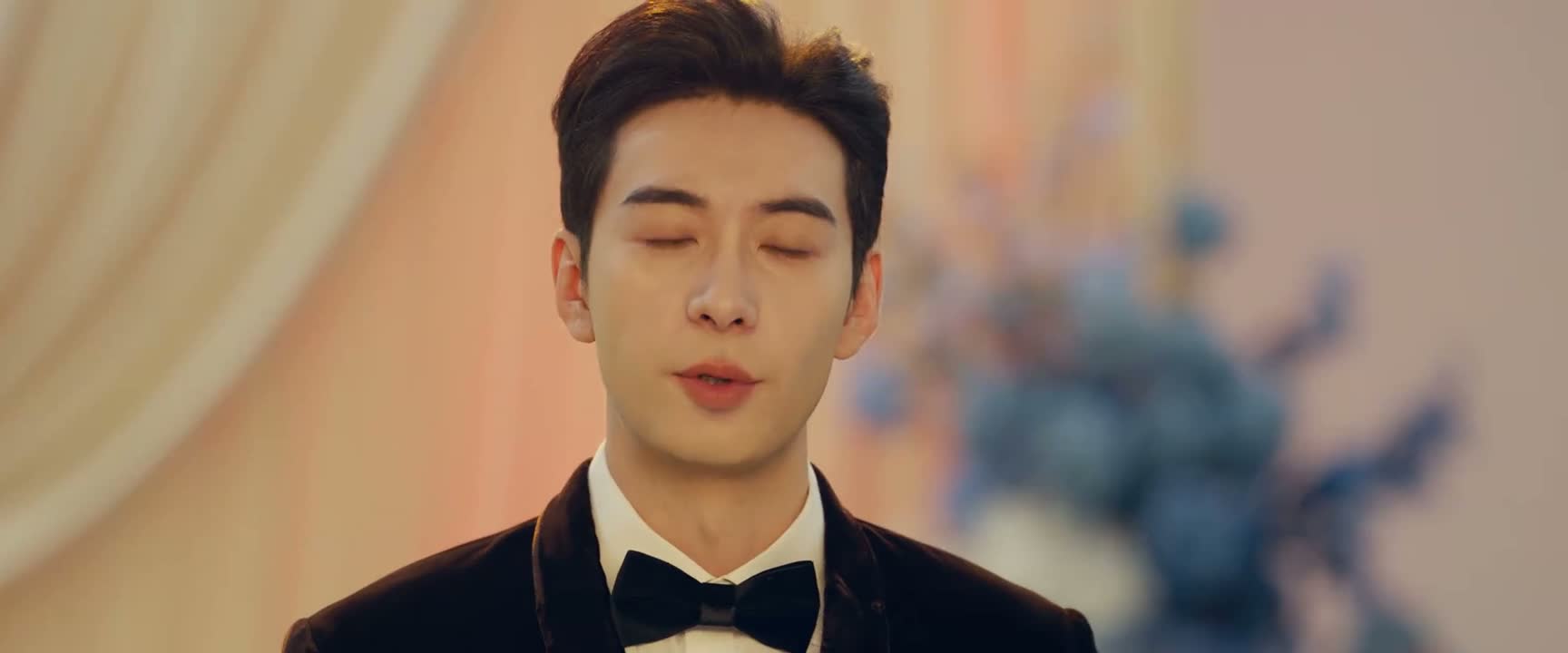
我还有事 我先走了
“I have things to do. I'm leaving.”
THE DIALOGUE REEL
我还有事 我先走了
“I have things to do. I'm leaving.”
别急啊 孟总
“Don't be in a rush, Mr. Meng.”
“I really don't want to talk to you right now, so I'm making an excuse to leave.”
Claiming to 'have other matters to attend to' is a face-saving convention in Chinese culture that allows one to exit an awkward or unwelcome encounter without causing overt offense.
LEARNING CHUNKS & PARTICLES
to still have other things to attend to
A universally accepted, polite formula in Chinese to excuse oneself from a conversation or social gathering.
leaving first / taking off now
Standard conversational formula used when departing before others.
Marks the imminent change of state and signals immediate departure.
VOCABULARY & EXPRESSIONS
Parallel Spoken Cinema Scenes (语义近邻切片)

“I have matters to attend to, I'll take my leave.”

“I have something to do, so I'll leave first.”

“Well, I have something to do. Bye.”

“I have something to attend to, so I'll go first.”

“I have something to do. I'll go first.”

“I need to be somewhere else. I'll get going. Alright.”
“I have things to do. I need to leave now.”

“Take care. I need to go. See you.”