神仙会要这些凡夫俗子的东西吗?
“Would deities ever need such mortal things?”
THE DIALOGUE REEL
需要多少钱? 钱?
“How much money? Money?”
神仙会要这些 凡夫俗子 的东西吗?
“Would deities ever need such mortal things?”
“If White Asura was so compassionate and desireless,”
“You fool, worldly wealth means nothing to divine beings—or to this monster.”
In traditional Chinese Taoist and Buddhist mythology, deities (神仙) exist above mortal attachments such as gold and silver; appealing to worldly wealth in spiritual contexts is viewed as profane and ignorant.
LEARNING CHUNKS & PARTICLES
ordinary mortals; common worldly people
A classical four-character idiom used to describe ordinary people who are tied to worldly desires, often contrasted with deities or enlightened beings.
Marks the rhetorical question, demanding the listener reconsider their naive assumption.
VOCABULARY & EXPRESSIONS
Parallel Spoken Cinema Scenes (语义近邻切片)
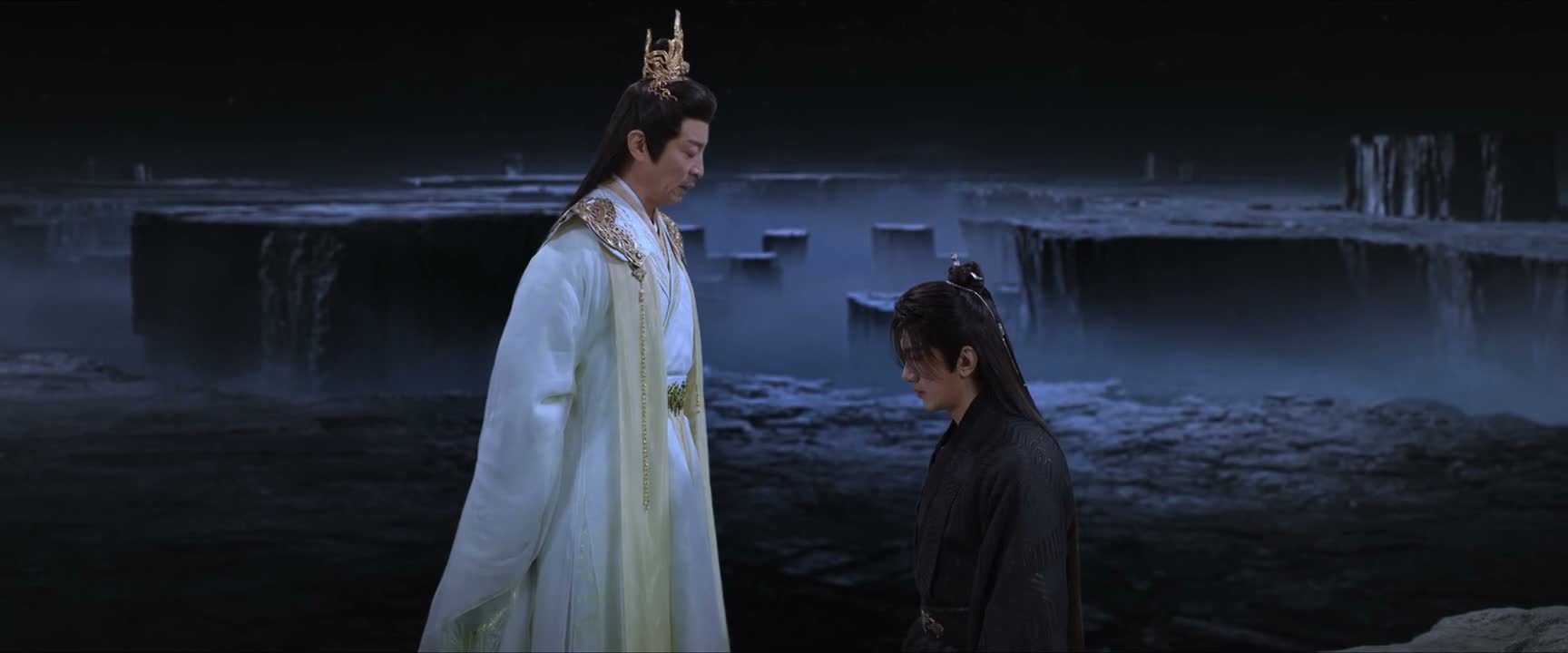
“People feed the cultivating sects with supplies.”

“It must involve that mortal.”
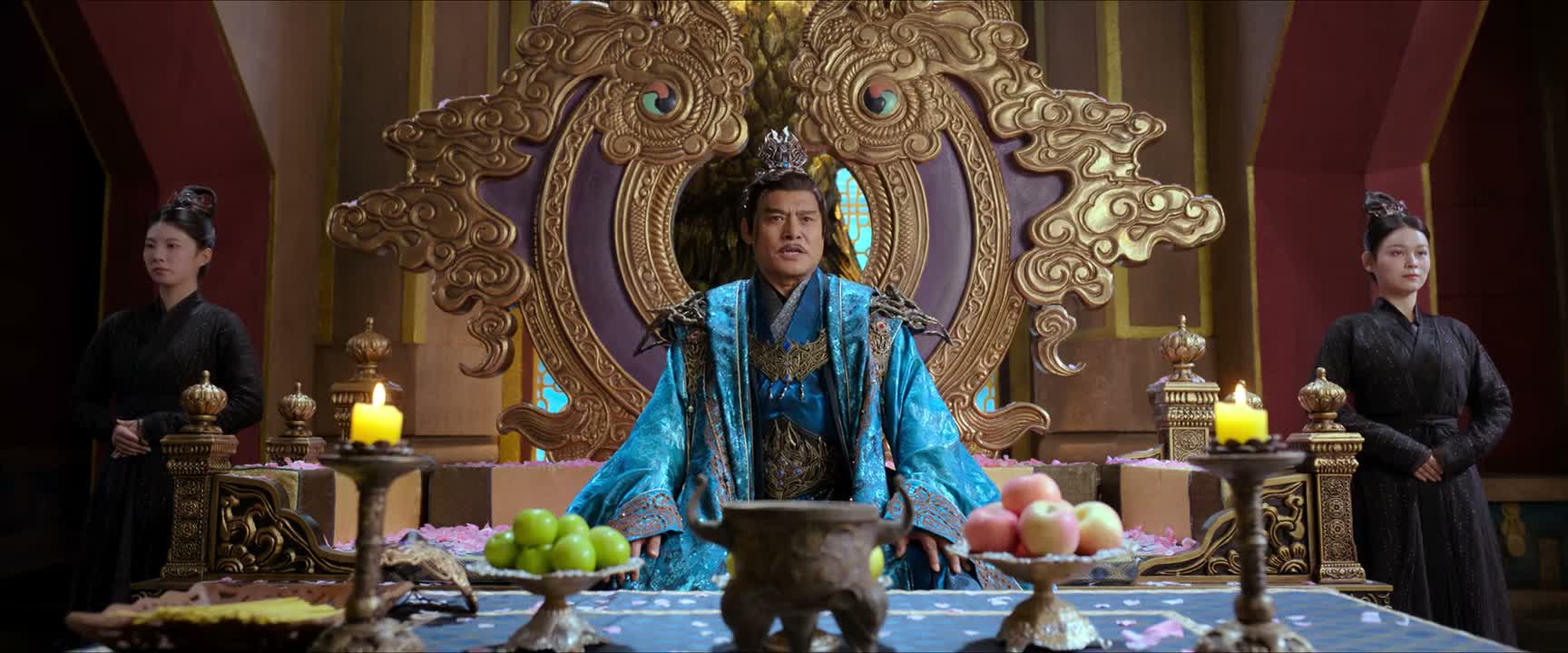
“are merely the starting point for those immortals.”

“A psychic? That's all nonsense.”

“and the immortal sect no longer needs to interfere.”

“was your people at the mountain god temple!”