MC
MandarinClips Cinema Corpus
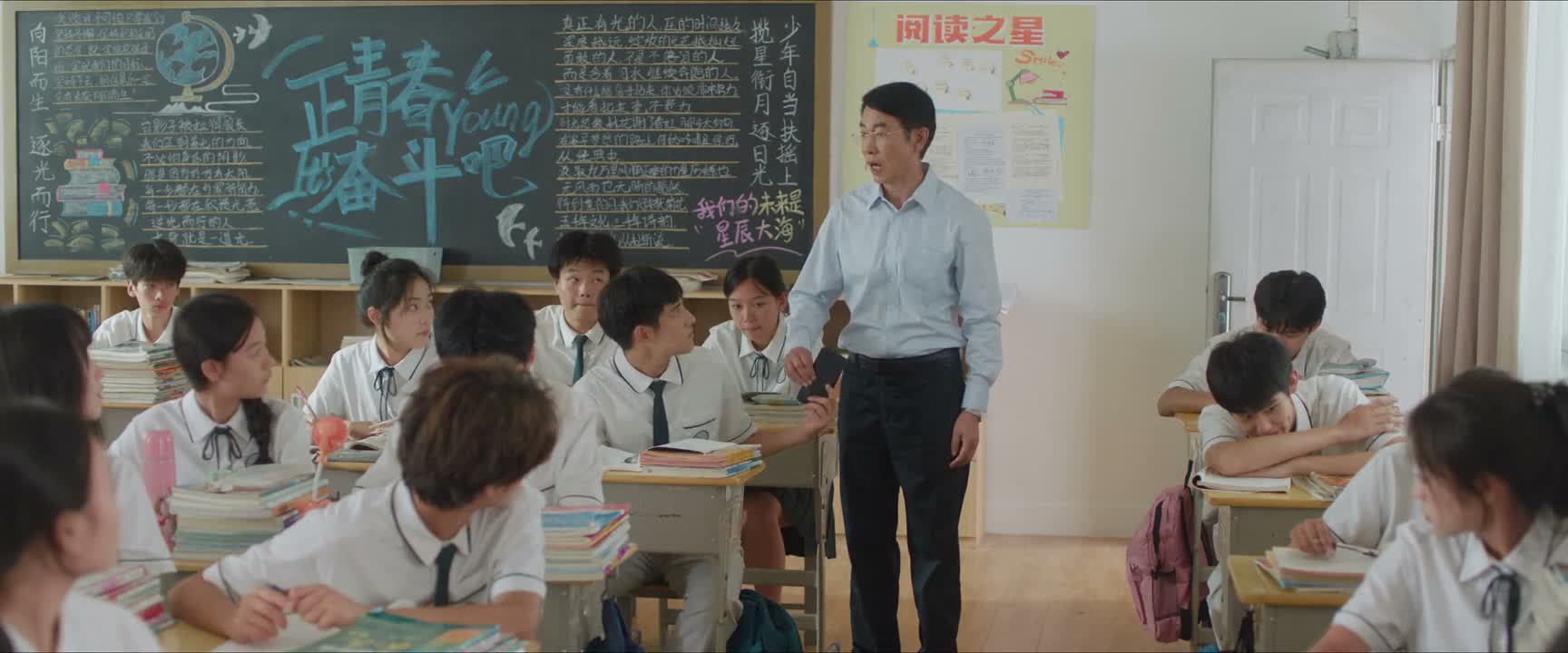
《Love Has Fireworks》 S1·E2 (14:26) HSK 4
kàn shén me kàn a huó dōu gàn wán le shì ba

看什么看啊 活都干完了是吧

“What are you all staring at? Don't you have work to do?”

《Love Has Fireworks》 S1·E2
TIMECODE: 14:26 · 1080P MASTER AUDIO

THE DIALOGUE REEL

1+1+1 SPOKEN CONTINUITY
[-1] PREVIOUS TURN wāng ruò hǎi yǐ jīng bú shì wǒ men yín háng de rén le yào nào chū qù nào qù

“Wang Ruohai is no longer an employee of this bank. If you want to make a scene, do it outside.”

kàn shén me kàn a huó dōu gàn wán le shì ba CURRENT FOCUS

看什么看 啊 活都 干完 了 是吧

“What are you all staring at? Don't you have work to do?”

[+1] FOLLOW-UP TURN guò lái

过来

“Come here.”

Subtitles synced to millisecond timecode Browse Show Clips →
Scene: Workplace
Function: REPRIMANDING
Tone: AUTHORITATIVE
Emotion: ANGER
WHAT THEY REALLY MEAN (PRAGMATIC SUBTEXT)
“Stop staring at this drama and get back to your desks right now.”
💡 Cultural Insight: Chiding the 'Onlooker' Mentality (Kankan/Chigua)

In Chinese social spaces, crowds quickly form to watch drama; leaders and authority figures aggressively disperse onlookers to restore order and control face.

INTENT TAGS: #reprimand #disciplinary #dismissal #authority
🧩

LEARNING CHUNKS & PARTICLES

2 CHUNKS · 2 PARTICLES
看什么看 SPOKEN CHUNK

what are you staring at?

A blunt, confrontational rhetorical question used to demand someone stop looking.

活都干完了 SPOKEN CHUNK

all the work is finished

Commonly used in rhetorical questions by superiors to shame subordinates who are slacking off.

Modal Particle「啊」 (a) CHANGE OF STATE

Heightens the sharpness and aggression of the rhetorical challenge.

Modal Particle「是吧」 (shiba) CHANGE OF STATE

Adds sarcastic bite, demanding rhetorical agreement while accusing them of neglecting duties.
🏮

VOCABULARY & EXPRESSIONS

3 EXPR · 0 GRAMMAR
CROSS-CINEMA CORPUS BOARD · PARALLEL SCENES

Parallel Spoken Cinema Scenes (语义近邻切片)

EXPLORE BY SEMANTIC SIMILARITY
《Love Has Fireworks》 S1·E2 (14:26) · Authentic Cinema Dialogue Corpus