囡囡啊 你爸爸是老五届大学生
“Sweetie, your dad was a university student of the class of 1961-1965.”
THE DIALOGUE REEL
它就是高考的预演
“It is a rehearsal for the Gaokao.”
囡囡啊 你爸爸 是 老 五届大学生
“Sweetie, your dad was a university student of the class of 1961-1965.”
你听他的准没错
“You can't go wrong listening to him.”
“Your dad knows best about college exams, so just do what he tells you.”
Graduates of the 'Old Five Classes' hold massive cultural respect in China as rare, elite intellectuals whose academic pedigree gives them immense parental authority.
LEARNING CHUNKS & PARTICLES
little darling / baby girl
A regional endearing term (originating in Wu Chinese) frequently used in spoken Mandarin by elders addressing young girls or daughters.
the 'Old Five Classes' (university graduates from 1966 to 1970)
A historical term referring to elite university students enrolled right before the Cultural Revolution disrupted higher education.
Softens the vocative address, establishing warmth and intimacy.
VOCABULARY & EXPRESSIONS
Parallel Spoken Cinema Scenes (语义近邻切片)
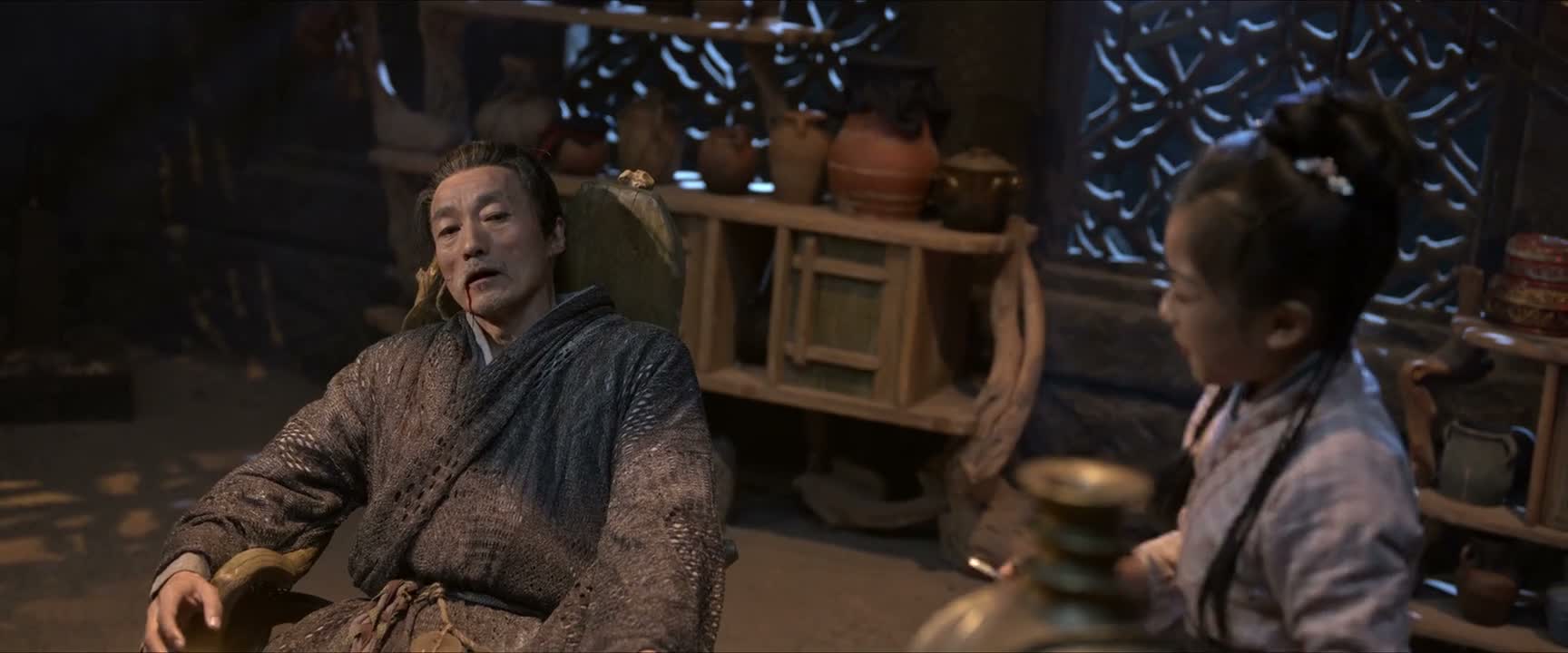
“Father has not yet seen...”
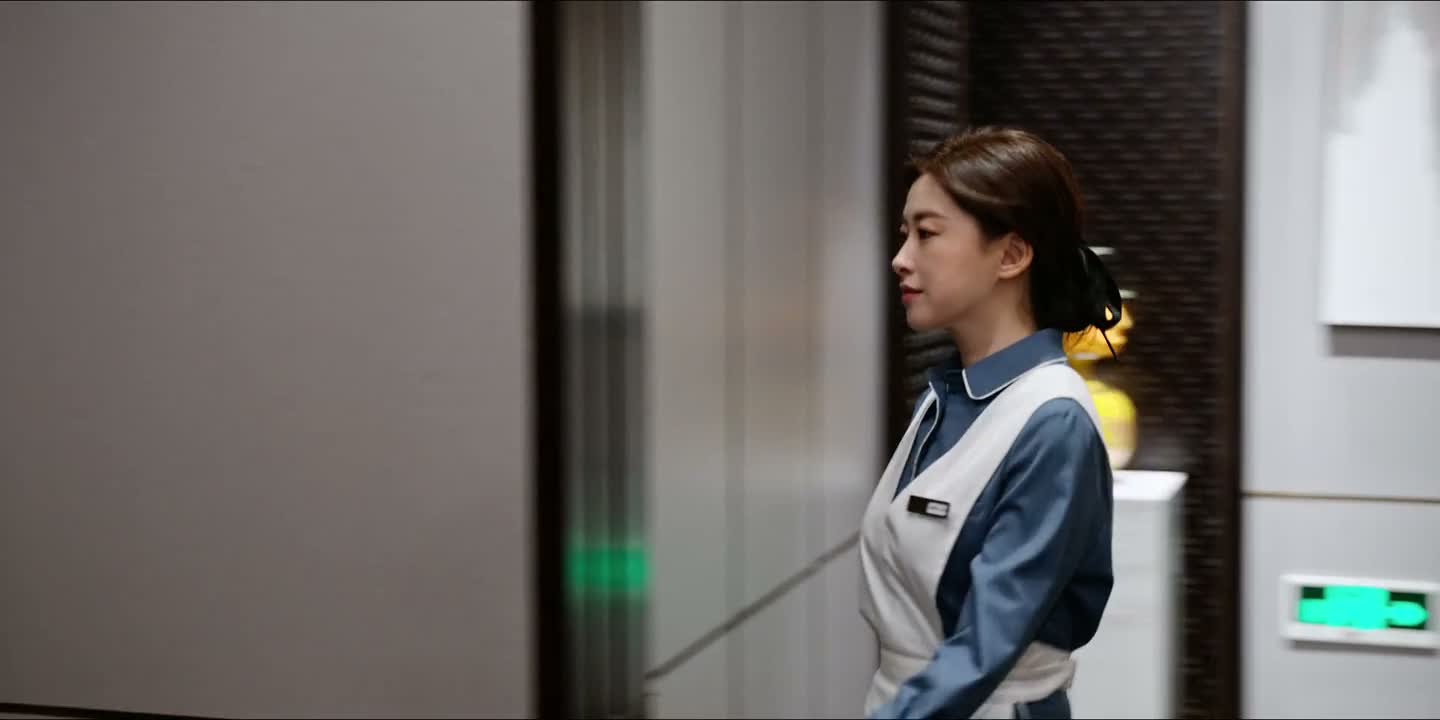
“how do you know it's a boy?”

“your parents will surely be delighted.”

“My daughter got into university.”
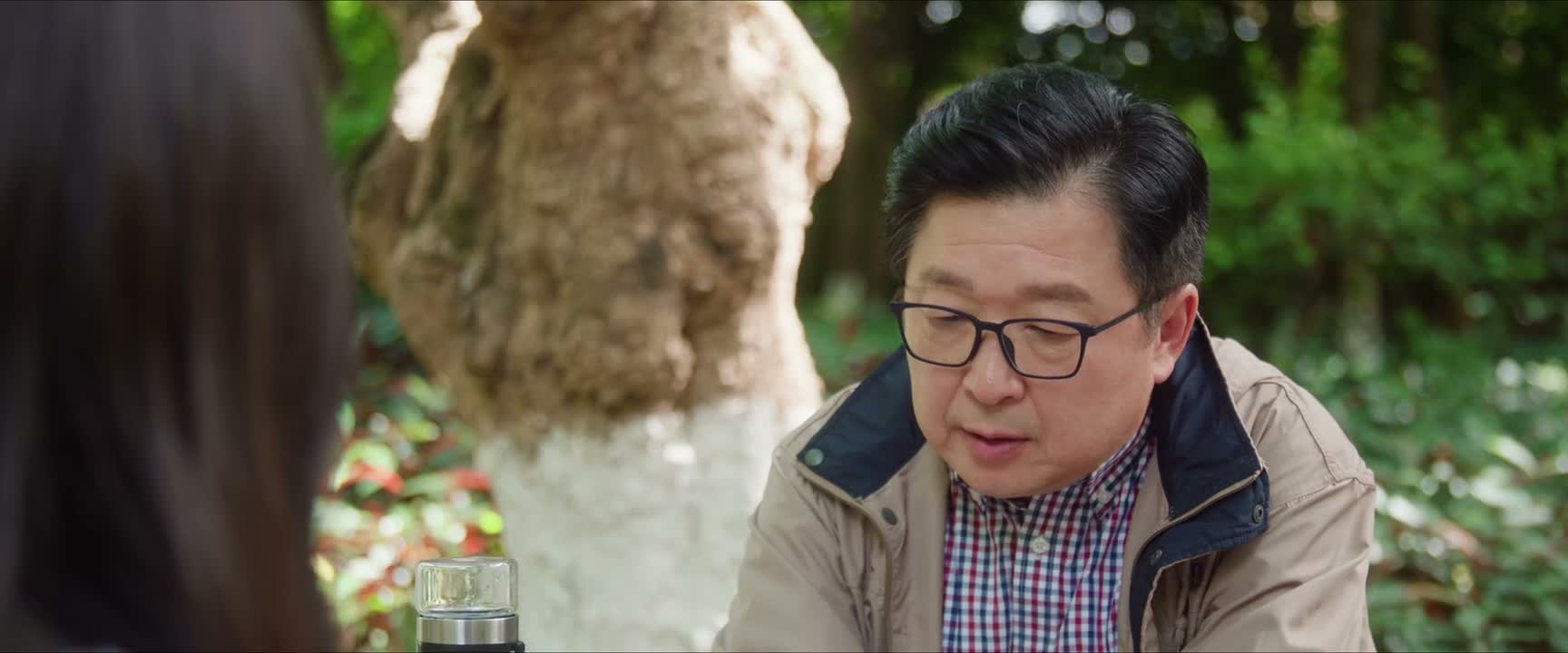
“This Jiang Xun was your grandfather's favorite disciple.”

“My dear daughter. You'll be all better soon.”