MC
MandarinClips Cinema Corpus
《The First Jasmine》 S1·E33 (36:19) HSK 4
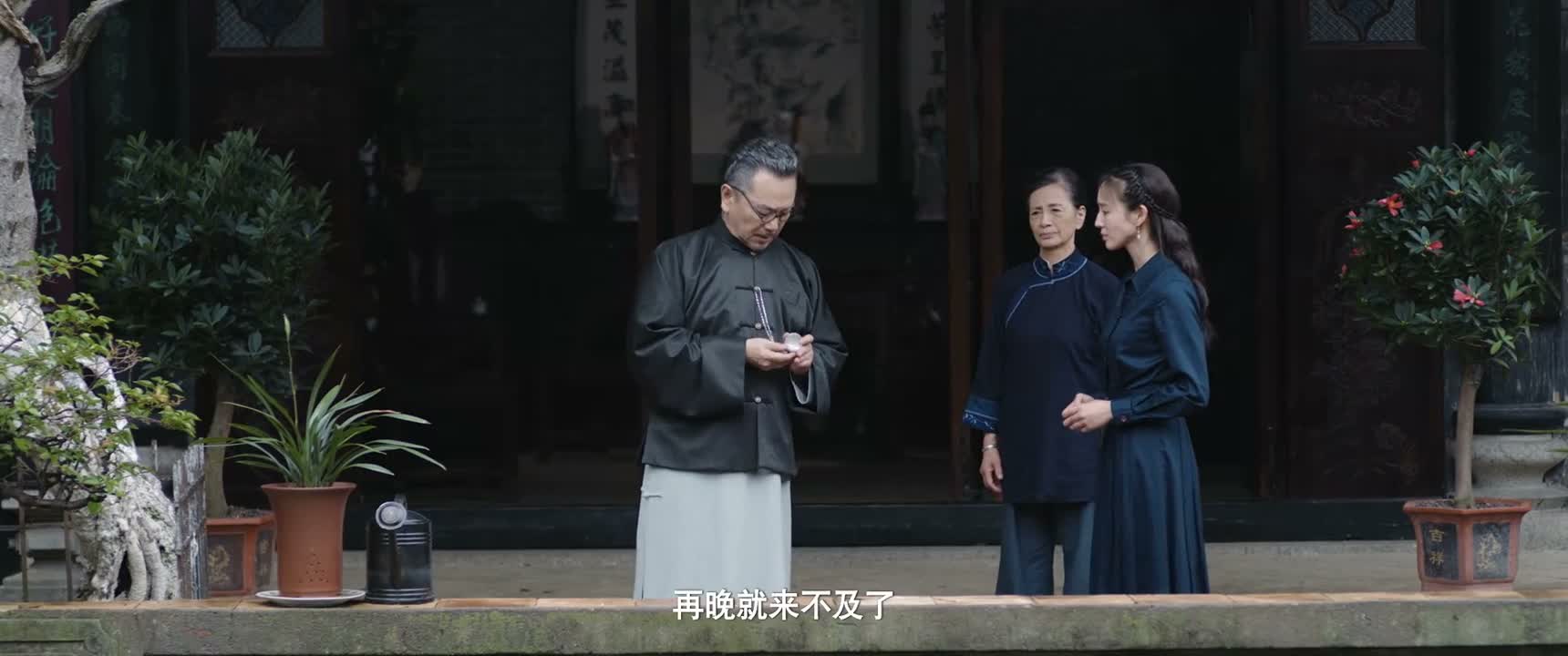
zài wǎn jiù lái bù jí le nǐ kāi mén ā lí

再晚就来不及了 你开门 阿璃

“Or it'll be too late! Open it! Li,”

《The First Jasmine》 S1·E33
TIMECODE: 36:19 · 1080P MASTER AUDIO

THE DIALOGUE REEL

1+1+1 SPOKEN CONTINUITY
[-1] PREVIOUS TURN shī xiōng nǐ kāi mén

师兄你开门

“Open the door! Senior, open the door!”

zài wǎn jiù lái bù jí le nǐ kāi mén ā lí CURRENT FOCUS

再晚就 来不及了 你 开门 阿璃

“Or it'll be too late! Open it! Li,”

[+1] FOLLOW-UP TURN lí shān fēng shān fēi wèi yī jǐ zhī sī

离山封山非为一己之私

“Lishan was sealed not for selfish interests,”

Subtitles synced to millisecond timecode Browse Show Clips →
Scene: Crisis & Conflict
Function: URGENT PLEADING
Tone: DESPERATE AND PLEADING
Emotion: ANXIETY
WHAT THEY REALLY MEAN (PRAGMATIC SUBTEXT)

Direct spoken expression in this communicative setting.

💡 Cultural Insight: Affectionate Diminutive Prefix 'A-' (阿-)

Prefixing a person's given name with 'A-' (like A-Li) signifies deep emotional closeness, familial affection, or intimate familiarity, typical across southern and classical naming traditions.

INTENT TAGS: #urgency #pleading #warning #demand
🧩

LEARNING CHUNKS & PARTICLES

2 CHUNKS · 1 PARTICLES
来不及了 SPOKEN CHUNK

there is no time left; it is too late

Essential everyday idiom indicating that an impending deadline or critical moment has arrived or passed.

再晚 SPOKEN CHUNK

if it gets any later; any further delay

Used as a conditional phrase warning against further procrastination or delay.

Modal Particle「了」 (le) CHANGE OF STATE

Marks an imminent change of state and underscores critical time urgency.
🏮

VOCABULARY & EXPRESSIONS

2 EXPR · 0 GRAMMAR
CROSS-CINEMA CORPUS BOARD · PARALLEL SCENES

Parallel Spoken Cinema Scenes (语义近邻切片)

EXPLORE BY SEMANTIC SIMILARITY
《The First Jasmine》 S1·E33 (36:19) · Authentic Cinema Dialogue Corpus