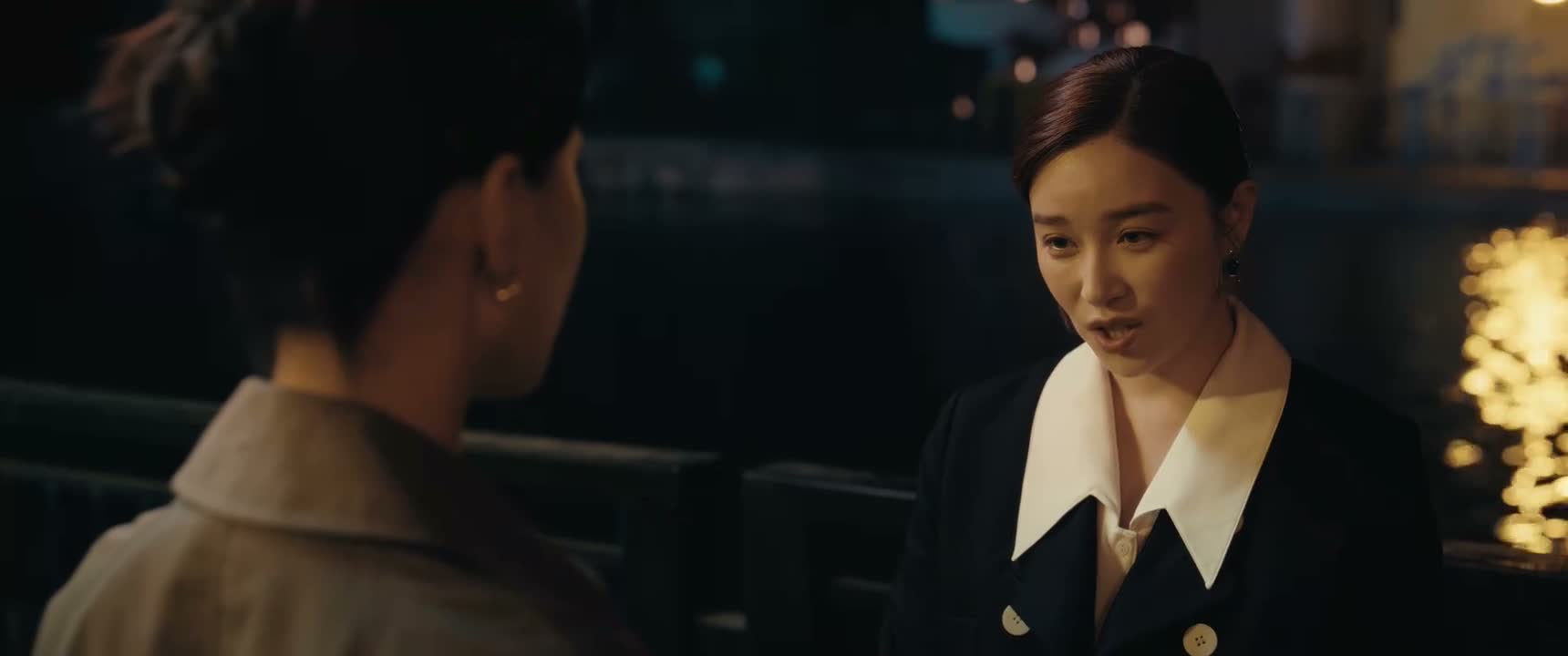
帮帮宋叔 我知道 我知道 我知道 您先起来
“Please help me. I know. I know. Please get up.”
THE DIALOGUE REEL
“when I work for him. -Uncle Song. -Please help me.”
帮帮 宋叔 我知道 我知道 我知道 您先起来
“Please help me. I know. I know. Please get up.”
“What are you doing? Get up. Have a seat.”
“Please stop kneeling or humiliating yourself in front of me; I hear you, but you need to stand up first!”
In Chinese culture, having an elder (Uncle Song) kneel or beg a younger person (Yaoyao) heavily disrupts filial hierarchy and induces severe moral anxiety (zheshou, losing blessings), making it critical for the junior to help them up immediately.
LEARNING CHUNKS & PARTICLES
I know / I get it
Repeated rapidly in spoken Chinese (我知道我知道) to acknowledge urgency and attempt to soothe an agitated interlocutor.
please stand up first
Used politely with honorific '您' to urge someone who has knelt, bowed, or collapsed in supplication to get back on their feet.
VOCABULARY & EXPRESSIONS
Parallel Spoken Cinema Scenes (语义近邻切片)

“I know! I know. I know!”

“Wouldn't you know best?”

“Then why did he say it was you? How would I know? Go ask him!”

“So I really don't know.”

“I know. What do you know?”
“You know that I know. I know that you know.”