妈妈点菜的时候 你能不能参与一下
“can you please join me in ordering dishes?”
THE DIALOGUE REEL
齐明月
“Qi Mingyue,”
妈妈 点菜 的时候 你能不能 参与一下
“can you please join me in ordering dishes?”
我是你们的保姆吗
“Am I your babysitter?”
“Stop acting like a customer and expecting me to serve you hand and foot.”
In Chinese communal dining, ordering food involves considering everyone's preferences; passive non-participation is often viewed as disrespectful or burdening the host.
LEARNING CHUNKS & PARTICLES
order dishes
The standard Chinese term for ordering at a restaurant, often a socially charged act in group dining.
could you please; can't you
A mildly reproachful way to phrase a demand, expressing irritation at someone's current inaction.
participate a bit; get involved a little
Using '一下' softens the request formally, but the phrase still conveys a clear expectation to contribute.
VOCABULARY & EXPRESSIONS
Parallel Spoken Cinema Scenes (语义近邻切片)
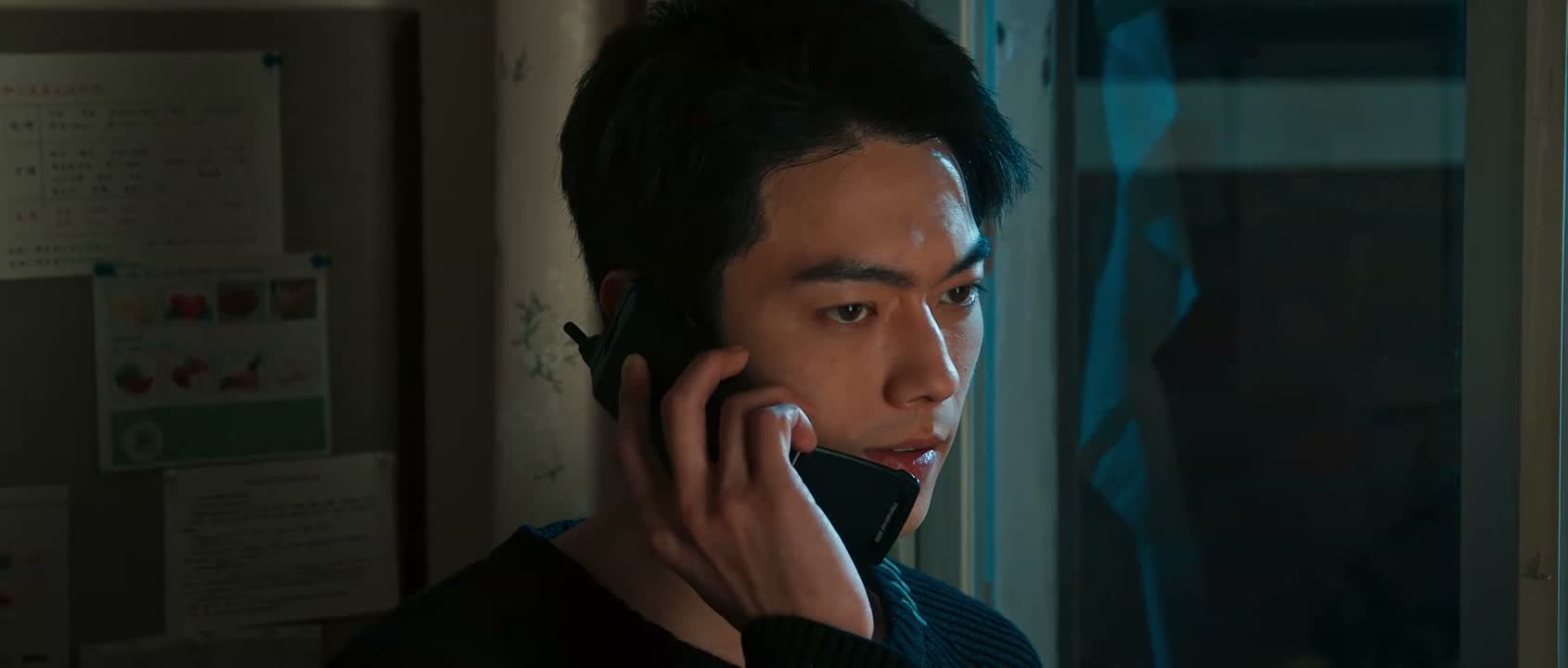
“Your mother's cooking is delicious.”

“Mom. Your cooking is so delicious.”

“OK. Have a meal with my mother and spend some time with her. Have you friended her on WeChat?”

“The time we had dinner with you and Mom,”

“I'll ask your mom to cook for you later.”

“your mother can't make any decisions for you.”