难道这也怪 你妈我没本事
“Do you blame me for your incompetence?”
THE DIALOGUE REEL
“you made it to the last two, but you still failed.”
难道 这也怪 你妈我 没本事
“Do you blame me for your incompetence?”
少说两句 灿灿心里也不好受 行了 你别说了
“Cut it out. Can is also upset about this. Well. Stop!”
“Don't try to make excuses or blame your background; you lost this competition on your own.”
Chinese parents often worry that their lack of social connections (没本事) disadvantages their children, but they may also use this phrase sarcastically to reprimand children who fail to work hard enough.
LEARNING CHUNKS & PARTICLES
to blame someone
Used transitively to assign fault or responsibility for a negative outcome.
lacking capability or resources
A blunt colloquial descriptor often used in self-deprecation or harsh criticism.
VOCABULARY & EXPRESSIONS
Parallel Spoken Cinema Scenes (语义近邻切片)
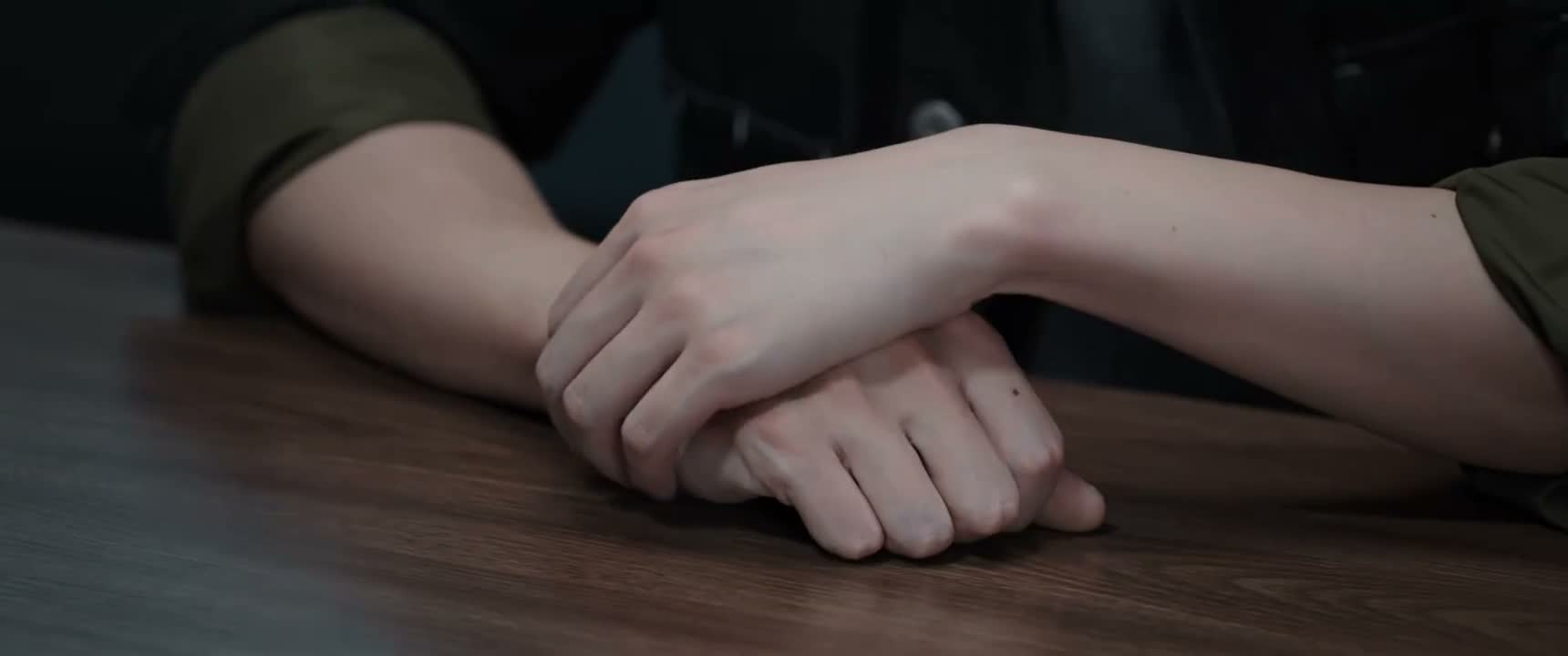
“It's my fault too, a man with no money or future.”

“How could this be your fault?”

“Your mom always knows how to make you feel guilty.”

“It's still my fault for being incompetent.”

“- Don't overthink it. - How could it be your fault? The expectations of your parents are already low enough.”

“If anyone is to blame, it's Master for being too stubborn.”