以后别再找她们麻烦了 可以啊
“and never bother them again. Sure.”
THE DIALOGUE REEL
你把珊珊还给夏雪
“Give Shanshan back to Xia Xue”
以后别再找她们 麻烦了 可以啊
“and never bother them again. Sure.”
我凭什么相信你
“Why should I trust you?”
“I'll do what you want, but only if you leave them alone permanently.”
Negotiating disputes often hinges on clear, mutual concessions to restore peace, specifically demanding an end to personal harassment ('zhao mafan').
LEARNING CHUNKS & PARTICLES
to make trouble; to hassle someone
A very frequent spoken phrase used to tell someone to stop harassing or bothering others.
sure; that can work
Used to express casual agreement or conditional consent in negotiation.
Indicates a cessation of an ongoing or repeated action when combined with '别再'.
Softens the agreement and adds a casual, assertive cadence to the acceptance.
VOCABULARY & EXPRESSIONS
Parallel Spoken Cinema Scenes (语义近邻切片)

“And we need him to help with something. It's nothing serious. Don't be afraid.”
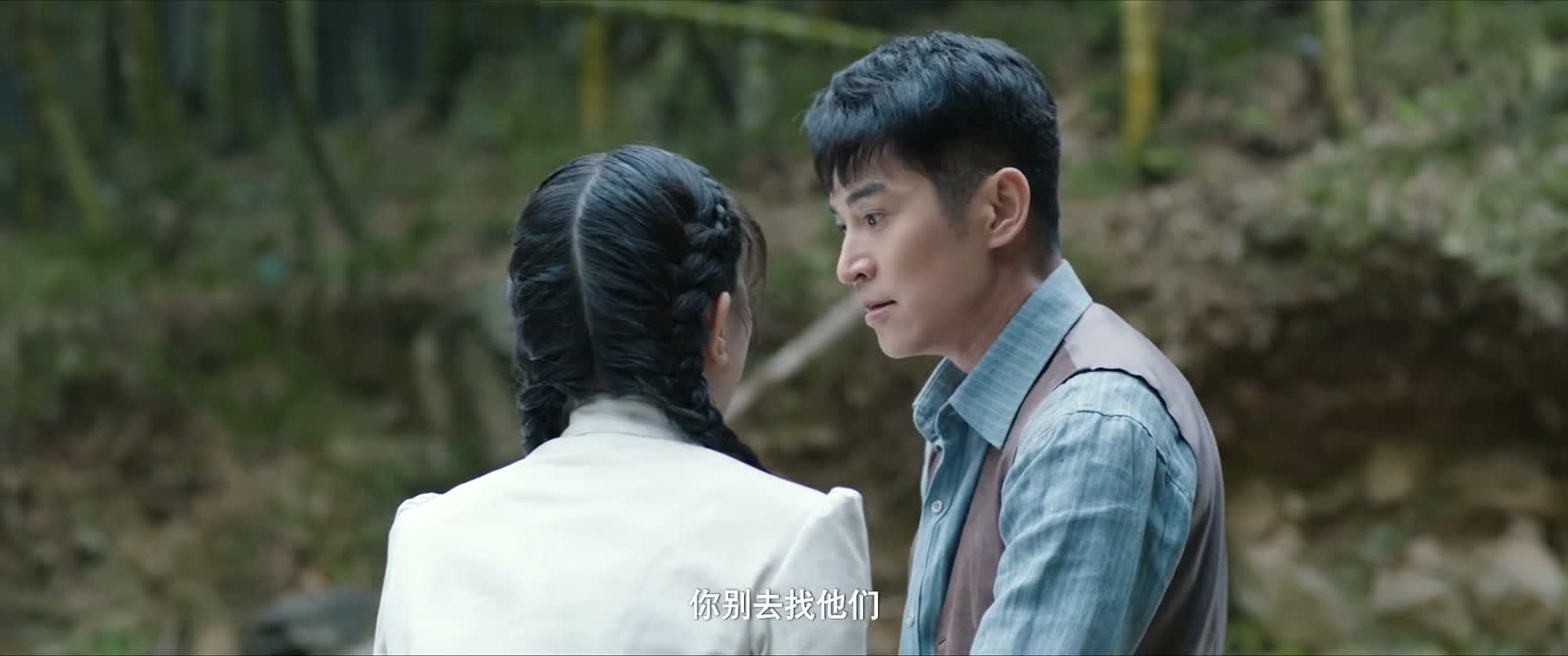
“Don't go looking for them.”

“Will they cause trouble for you later?”
“Stop causing trouble for her.”